
Companion Plants
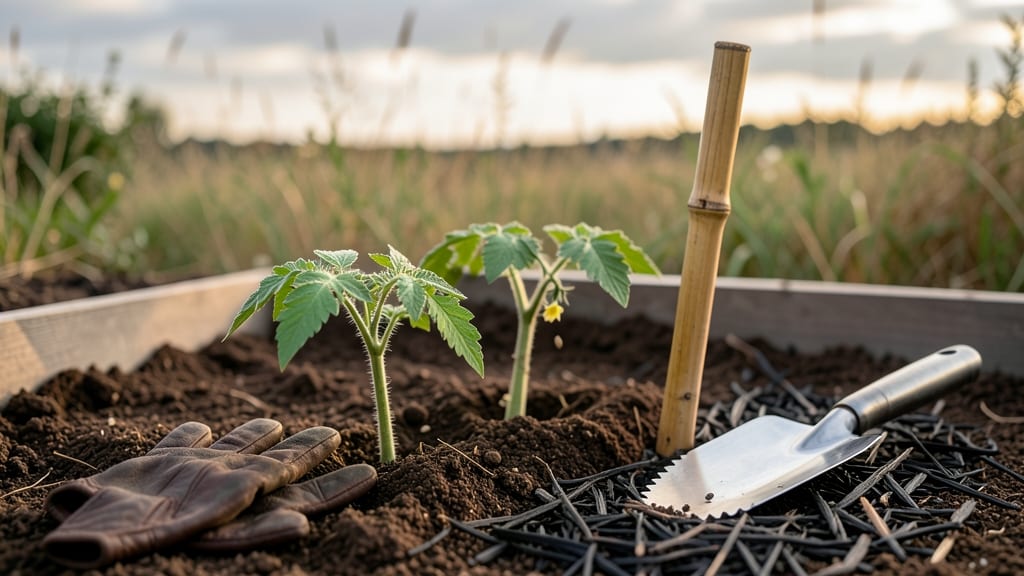
Planting tomatoes in Florida might seem simple—after all, you’ve got 365 frost-free days to work with—but timing still matters more than you’d think. Skip the wrong window, and you’ll end up battling disease, stunted growth, or even losing your entire crop to summer’s brutal heat.
The key? Knowing exactly when to start seeds or transplant in your specific county, whether you’re in the Panhandle’s cooler zones or Miami’s steamy microclimate.
I’ve grown 🍅 in Florida for years, and the biggest mistake I see is planting too early in the heat or too late in the fall, when hurricanes can delay harvests.
What works in Zone 8a (like Jacksonville) won’t cut it in Zone 11 (like Key West)—and even within regions, soil prep and shade strategies change dramatically.
Let me break down the county-by-county deadlines that’ll help you avoid common pitfalls, from soil warming tricks to heat-tolerant varieties that thrive when others fail.
You’ll also discover how to stagger plantings for continuous harvests, even during hurricane season, plus my go-to organic pest control methods that actually work in Florida’s humidity.
No more guessing—just science-backed timing that aligns with your local climate quirks. Ready to grow bigger, healthier tomatoes with less stress? Let’s get started.
Florida’s tomato planting zones by county: frost-free deadlines explained
Florida’s unique climate lets you grow tomatoes almost year-round, but timing matters. Unlike northern states, we don’t have to wait for spring—yet planting too early or late can still lead to poor yields or disease pressure.
Florida’s microclimates create distinct planting windows, especially when accounting for humidity and heat tolerance. Whether you’re in North Florida’s cooler zones or South Florida’s tropical heat, knowing your county’s frost-free deadlines is key.
Most Floridians never see frost, but North Florida counties like Jacksonville and Gainesville can experience light frosts in January or February. Meanwhile, South Florida counties like Miami-Dade and Broward rarely see frost at all.
Even in frost-free zones, heat stress above 90°F can stunt growth, so staggered planting is the secret to a steady harvest.
Use this guide to pinpoint your county’s ideal planting windows. For visual learners, I’ll reference an interactive USDA Plant Hardiness Zone Map (link in resources) to help you match your location to the right last frost dates.
Pro tip: Bookmark this for next year—Florida’s hurricane season can delay outdoor work, so plan ahead!
North Florida’s
How to adjust tomato planting for Florida’s extreme heat & humidity
Florida’s summer sun can turn your tomato plants into crispy snacks if you’re not careful. The key to success lies in adapting your planting schedule and care routine to beat the 90°F+ heat and 90% humidity.
Unlike cooler climates, Florida’s year-round growing season means you can plant tomatoes almost anytime—but timing matters for fruit set and disease prevention. I’ve learned the hard way that planting too early in peak heat leads to blossom drop, while waiting too long risks hurricane season delays.
Let’s fix that.
Start by avoiding transplanting during June-August when temperatures consistently exceed 90°F. Instead, aim for early spring (February-March) or late summer (September-October) when daytime highs dip below 85°F. This gives your plants time to establish roots before the worst heat hits.
For container gardening, you have even more flexibility—just move pots to shaded areas during afternoon heat waves. I’ve had great success with staggered plantings every 2-3 weeks to ensure a continuous harvest.
Florida’s humidity tricks you into thinking plants need more water—but overwatering suffocates roots and fuels fungal diseases like early blight. Instead of daily watering, aim for deep, infrequent soaks (1-2 inches per week).
Test soil moisture by sticking your finger 2 inches down—if it’s dry, water; if damp, wait. Morning watering (6-9 AM) is critical to prevent evening moisture that invites tomato hornworms and blossom rot.
Shade cloth is your best friend during Florida’s brutal summers. Use 30-50% shade cloth to reduce sunlight intensity by 30-50% when temperatures exceed 85°F. I drape mine over trellises or cages to protect young plants while still allowing 6+ hours of filtered light.
For heat-tolerant varieties like Solar Fire or Heatmaster, you can remove shade cloth after fruit sets, but keep it on during 100°F+ heatwaves. Pro tip: Secure cloth with clips or weights—Florida’s storms will rip loose fabric in seconds.
Mulching isn’t just for looks—it’s a game-changer for Florida tomatoes. Apply 3-4 inches of organic mulch (straw or wood chips) to retain moisture, regulate soil temperature, and suppress weeds. I’ve seen soil temps drop 10°F+ under mulch during afternoon heat, which prevents root stress.
Just avoid piling mulch against stems to prevent rot. For containers, use black plastic mulch to absorb heat and speed up warming in cooler months. Pair this with drip irrigation to deliver water directly to roots without wetting leaves—another disease prevention trick.
Not all tomato varieties handle Florida’s heat equally. Determinate types (like Celebrity) produce fruit in one flush and handle heat better than indeterminate varieties (like Better Boy). For summer planting, opt for heat-set varieties that can pollinate at higher temps.
I’ve had the most success with ‘Solar Fire’ (cherry tomatoes) and ‘Heatmaster’ (beefsteak), both of which thrive in 95°F+ conditions. If you’re planting in South Florida’s Zone 11, consider tropical varieties like ‘Florida 47’, bred to resist fusarium wilt and bacterial spot—two common Florida scourges.
Finally, watch for heat stress signs: curled leaves, yellowing edges, or blossoms dropping without setting fruit. If you see these, prune suckers aggressively to redirect energy to fruit production and provide afternoon shade immediately.
I’ve revived stressed plants by misting leaves (early morning only) to cool them down—just avoid wetting foliage at night. With these adjustments, you’ll beat Florida’s heat and enjoy homegrown tomatoes from January to December. The secret? Plan ahead, adapt fast, and never underestimate humidity.