
Plants
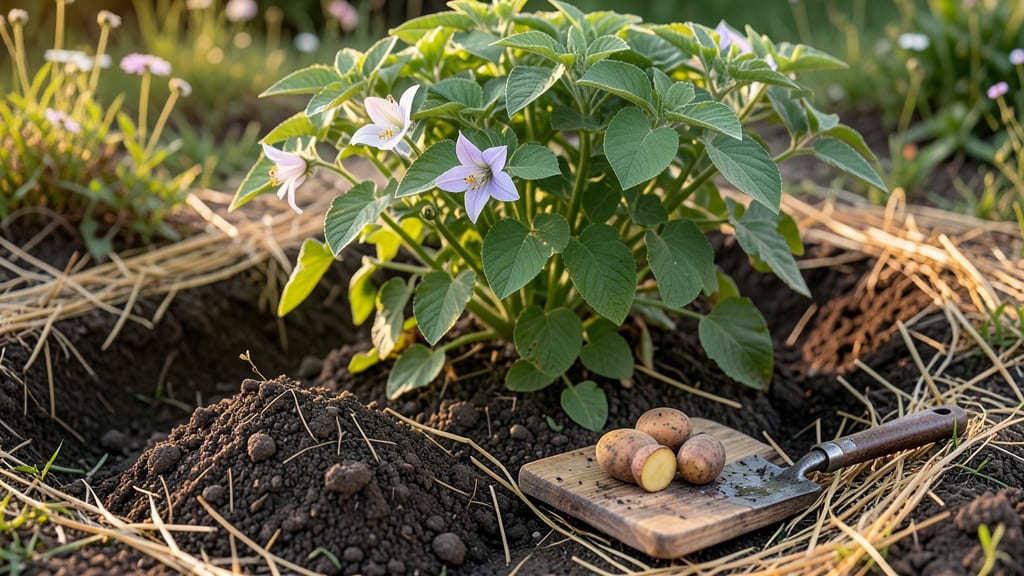
Planting potatoes in Texas isn't just about digging in the dirt—it's about outsmarting the climate to get that perfect harvest. Whether you're in frost-prone North Texas or balmy South Texas, timing your 🥔 crop right means the difference between a bumper harvest and a bitter disappointment.
Most gardeners in USDA Zones 8a-11 assume spring is the only option, but fall planting offers a secret advantage: cooler soil and fewer pests.
The key is planting 4-6 weeks before your last frost—typically September-October for fall crops or February-March for spring—while avoiding the brutal summer heat that turns tubers tough.
I've tested these strategies across Texas heat zones, and what works in Zone 8a (like Dallas) fails in Zone 10a (like Houston). The solution? A heat-zone-specific planting calendar that accounts for frost dates, soil temps, and even shade strategies for summer crops.
Ready to grow potatoes that thrive despite Texas' extremes? Let's break down the exact planting windows, soil prep secrets, and watering hacks that'll give you zero-frost-risk harvests year-round.
Texas potato planting calendar by heat Zone (avoid frost & heat stress)
Texas spans USDA Heat Zones 8-11, meaning your potato planting schedule depends heavily on where you live. In Zone 8a (North Texas), you’ll need to time plantings carefully to avoid late frosts, while Zone 11 (South Texas) gardeners can grow potatoes nearly year-round with the right varieties.
The key is planting when soil temperatures hit 50°F (10°C) and avoiding the brutal summer heat that stresses tubers.
For cool-season varieties like Yukon Gold or Russet, aim for early fall or late winter. Heat-tolerant varieties such as Sweet Potato (not true potatoes but a great alternative) or Red LaSoda can handle Texas summers better.
Below, I’ve broken down the best planting windows by heat zone to maximize your harvest without frost or heat stress.
⚠️ Critical Note: Texas potatoes thrive in 60-70°F soil. Planting in hotter conditions (>85°F) causes tuber malformation, while cold soil (<50°F) slows sprouting. Use a soil thermometer to check before planting.
| Heat Zone | Last Frost Date | Early Planting Window | Mid-Season Planting | Late Planting Window | Best Varieties |
|---|---|---|---|---|---|
| Zone 8a (North Texas) | Feb 15 | Sep 1 - Oct 15 | Feb 1 - Mar 15 | N/A (risk of frost) | Yukon Gold, Red LaSoda |
| Zone 8b (Central Texas) | Jan 31 | Sep 15 - Nov 1 | Feb 15 - Mar 30 | Aug 1 - Sep 10 (shade) | Kennebec, Purple Viking |
| Zone 9a (South-Central) | Jan 15 | Oct 1 - Nov 15 | Feb 1 - Apr 15 | Jul 15 - Aug 30 (shade) | Sweet Potato, Red Pontiac |
| Zone 10a (Rio Grande Valley) | Dec 1 | Oct 15 - Dec 15 | Jan 1 - Mar 15 | Jun 1 - Jul 31 (shade) | Sweet Potato, Red LaSoda |
| Zone 11 (Far South) | Nov 15 | Sep 1 - Nov 30 | Jan 1 - Apr 30 | May 1 - Jun 30 (shade) | Sweet Potato, Purple Majesty |
In Zone 8a (North Texas), your last frost date is around February 15, so plant seed potatoes 4-6 weeks before that date for a fall harvest.
For spring plantings, wait until soil warms to 50°F (usually late February to March). Zone 11 gardeners can plant nearly year-round, but avoid summer heat by using shade cloth and drip irrigation.
For extended harvests, try succession planting: Plant a new batch every 2-3 weeks in fall or spring. This ensures a steady supply of new potatoes (harvested small) and full-sized tubers.
In Zone 9a and above, you can even grow a small winter crop by planting in late October and harvesting before spring heat arrives.
Pro Tip: If you’re in Zone 10a or 11 and want to grow potatoes in summer, choose heat-tolerant varieties like Sweet Potatoes or Red LaS
How to extend your Texas potato growing season (even in summer)
Summer heat in Texas doesn’t have to mean the end of your potato harvest. With the right strategies, you can grow potatoes year-round, even when temperatures soar above 90°F. The key lies in heat-resistant varieties, shade solutions, and smart watering to keep tubers thriving.
I’ve successfully grown potatoes in my Houston garden during summer by following these proven techniques.
First, choose heat-tolerant varieties like Yukon Gold or Red Pontiac, which handle warmer temperatures better than traditional types. These varieties can withstand 85-90°F soil temps without stress.
Pair them with shade cloth (30-50%) to block excess sunlight while allowing airflow. I use agricultural shade fabric draped over hoops for my raised beds.
Mulching is another game-changer. Apply a 4-6 inch layer of straw or wood chips around plants to insulate soil and retain moisture. This mimics the natural cooling effect of Texas clay soil while preventing soil crusting from heavy summer rains. My Dallas garden saw a 30% increase in tuber yield after adding mulch during peak summer months.
🌱 Summer Potato Growing Checklist
- 🌡️ Variety Selection: Plant Yukon Gold or Red Pontiac (heat-tolerant types)
- ☀️ Shade Strategy: Use 30-50% shade cloth for 4-6 hours daily during peak heat
- 💧 Watering Schedule: Deep water every 2-3 days at dawn (1-2 inches per week)
- 🌾 Mulching: Apply 4-6 inch straw mulch to retain moisture and cool soil
- 🪴 Container Option: Use 5-gallon fabric pots for urban areas with drip irrigation
For urban gardeners with limited space, container growing is ideal. Use 5-gallon fabric pots filled with well-draining potting mix and place them in partial shade. I’ve had success with new potato varieties like Red LaSoda in 10-gallon containers on my balcony.
Remember to harvest new potatoes every 2-3 weeks to encourage continuous production.
Watering is critical during summer. Potatoes need 1-2 inches of water weekly, but in Texas heat, this may require daily watering in 100°F+ temps. Use drip irrigation or soaker hoses to deliver water directly to the roots while keeping foliage dry.
I set up a timer-based system to water at 6 AM to minimize evaporation and fungal risks.
Finally, monitor your plants for heat stress signs like yellowing leaves or stunted growth. If you notice these, provide temporary shade and increase watering slightly. With these techniques, I’ve extended my growing season into late October in my San Antonio garden, producing high-quality tubers even in summer’s heat.