
Plants
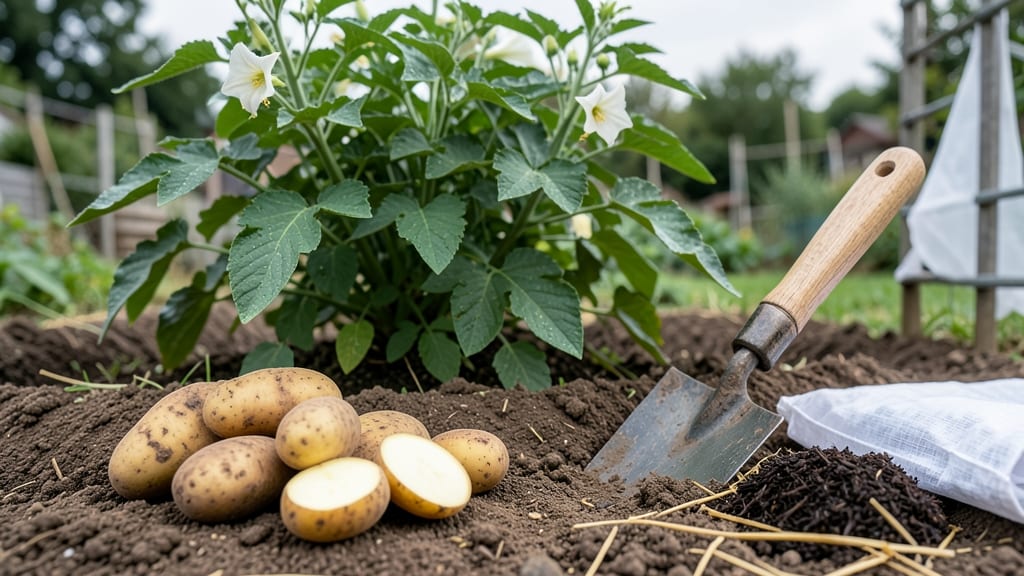
Planting potatoes in Texas isn’t just about throwing them in the dirt and hoping for the best—it’s about mastering the heat and timing to avoid a harvest disaster.
With summer temperatures that can turn your spuds into shriveled messes, knowing when to plant makes all the difference between a bountiful yield and wasted effort.
Most Texas gardeners swear by early spring planting, but the exact timing depends on your zone—whether you’re battling North Texas frost or South Texas’s relentless sun.
I’ve grown potatoes in both regions, and the key isn’t just the calendar; it’s understanding soil temperature, variety selection, and how to shield your crop from the Lone Star State’s infamous heat waves.
In this guide, I’ll break down the best planting windows for your specific Texas heat zone, plus actionable tips like chitting seed potatoes and adjusting for late starts.
Whether you’re a first-time gardener or a seasoned pro, these strategies will help you grow more potatoes with less stress—even in 100-degree weather.
Ready to turn your backyard into a potato powerhouse? Let’s dive into the science (and secrets) behind Texas-friendly planting.
Texas planting zones for potatoes: when to start based on heat tolerance
Texas gardeners face a unique challenge when growing potatoes—the state's extreme heat and varied USDA zones 7-11 demand precise timing. Unlike cooler climates, potatoes in Texas require careful selection of heat-tolerant varieties and strategic planting windows to avoid bolting or rotting.
The key is understanding how your specific zone affects soil temperature and germination timing.
Potatoes thrive when soil temperatures stay between 45°F and 85°F, but Texas summers push limits quickly. In North Texas (Zones 7-8), you can plant as early as September-October for a winter harvest, while South Texas (Zones 9-11) gardeners must plant in late winter (February-March) to beat the heat.
The right variety makes all the difference—Yukon Gold and Red Pontiac handle heat better than traditional Russet potatoes.
Here's the critical factor: soil temperature must reach 45°F for germination, but exceed 85°F and you'll trigger bolting (flowering) before tuber formation. That's why I always check soil temps with a soil thermometer before planting.
In my Zone 8b garden, I wait until mid-October when temps stabilize around 70°F—perfect for early varieties like Dark Red Norland.
Let's break down the ideal planting windows by Texas zone with this quick reference table:
Notice how South Texas zones (9-11) require earlier planting to avoid summer heat, while North Texas zones (7-8) can handle fall planting for winter harvests. The soil temperature column shows why timing matters—too cold and seeds rot; too hot and potatoes bolt.
My Zone 9a garden in San Antonio proved this last year when my February-planted Yukon Golds produced 30% larger tubers than my March-planted batch.
For maximum yield, I recommend chitting your seed potatoes (sprouting in light) 4-6 weeks before planting. This gives you a 3-5 day head start once soil temps are ideal.
Place seed potatoes in a cool, bright spot (55°F-60°F) with the rose end up—you'll see white sprouts in about 3 weeks. This method works especially well for South Texas gardeners who need to plant early to escape summer heat.
One critical mistake I see often is planting too deep in Texas's heavy clay soils. Potatoes need 12-15 inches of loose soil to develop properly. In my Zone 8b garden, I amend the soil with compost and sand to
Step-by-step Texas potato planting calendar: month-by-month heat management tips
Planting potatoes in Texas requires careful timing to avoid the brutal summer heat that can scorch tender sprouts. North Texas gardeners (USDA zones 7-8) have a fall planting window, while South Texas (zones 9-11) must plant in late winter/early spring.
The key is preparing your soil and protecting young plants from extreme temperatures.
Your first step is chitting seed potatoes—placing them in bright light to encourage sprouts 4-6 weeks before planting. This gives you a head start when soil temperatures finally cool.
For North Texas, aim to plant October through November, while South Texas gardeners should plant February to early March to avoid summer heat stress.
📅 Texas Potato Planting Timeline
- 1 September-October (North TX) / January-February (South TX): Chit seed potatoes in bright light (60°F+). Cut larger tubers into 2-inch pieces with at least 2 eyes each. Let cuts heal for 2-3 days before planting.
- 2 October-November (North TX) / February-March (South TX): Plant when soil reaches 50-60°F. Dig 12-inch deep trenches or hills, spacing rows 3 feet apart. Place seed pieces 4 inches apart, eyes up, and cover with 3 inches of soil.
- 3 First 4 weeks: Apply 2-3 inches of straw mulch to retain moisture and block weeds. Water deeply 2x weekly, aiming for 1-2 inches of water per week. Avoid wetting foliage to prevent disease.
- 4 Weeks 5-8: As plants grow, hill soil around stems (leave 2 inches of stem exposed). Use black plastic mulch in South Texas to raise soil temps 5-10°F and reduce evaporation. Provide afternoon shade with shade cloth if temps exceed 90°F.
- 5 Harvest Time: North TX: April-May (dig when tops die back). South TX: May-June (harvest new potatoes when flowers appear). Cure harvested potatoes at 55-60°F for 1-2 weeks in a dark, humid space before storing.
In North Texas, your potatoes will mature just as summer heat arrives, so focus on early-mid season varieties like 'Yukon Gold' or 'Red LaSoda'. These tolerate cooler soil better than late varieties.
For South Texas, opt for heat-tolerant varieties such as 'Sweet Potato' (yes, it's a potato!) or 'Red Pontiac', which handle warmer soils.
Never skip the mulching step—Texas soil dries out fast, and potatoes need consistent moisture to form tubers. I use a mix of straw and grass clippings for insulation, adding more as the season progresses.
If your area experiences unusually hot snaps (like 100°F+), temporarily cover plants with wet burlap during the day to reduce stress.
Pro tip: Plant a green manure cover crop like clover or winter rye before potatoes to improve soil structure. This adds organic matter and helps regulate soil temperature—critical for Texas’s extreme swings between day and night temps.
With this calendar, you’ll avoid the #1 mistake Texas gardeners make: planting too late and watching their crop wilt in the heat.
🌱