
How To
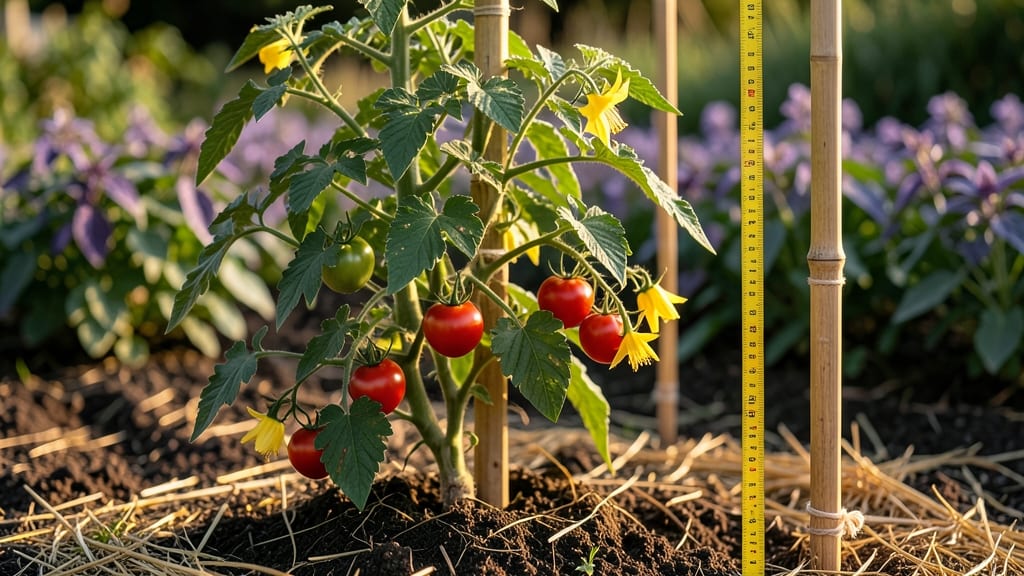
If you’ve ever stared at your tomato seedlings and wondered, "How tall will this tomato plant grow?"—the answer hinges on one key difference: indeterminate varieties that stretch toward the sky (up to 12 feet) versus determinate types that stay neatly compact (around 3-5 feet).
This isn’t just about garden space—it’s about yield, support, and even how you’ll harvest. Indeterminate plants keep producing fruit all season long, but they’ll need sturdy cages or trellises to handle their vertical growth spurt.
Determinate plants, on the other hand, deliver a bumper crop in one go, making them perfect for containers or small plots.
But here’s the catch: factors like pruning, sunlight, and even your local climate can tweak those heights. A Beefsteak in full sun might reach 8 feet, while a Roma in partial shade could top out at 4 feet.
I’ll break down the science—and share my top tips to keep your plants happy, no matter their growth plan.
Ready to pick the perfect variety for your space? Let’s dive into the heights, habits, and hacks that’ll turn your tomato patch into a thriving (and manageable) harvest.


Indeterminate tomato plant height: why some tomatoes grow 6-12 feet tall
If you’ve ever watched a tomato vine climb your fence like a jungle explorer, you’ve met an indeterminate tomato plant. These varieties don’t stop growing—they keep stretching, producing fruit all season long until frost stops them.
Unlike their determinate cousins, indeterminate tomatoes can reach 6 to 12 feet tall with proper care, turning your garden into a vertical feast. But why do they grow so tall, and how can you manage their sky-high ambitions?
Indeterminate tomatoes grow tall because their genetic makeup encourages continuous vertical growth and unlimited branching. Each new stem produces leaves, flowers, and fruit clusters, creating a never-ending vine. Without support, these plants sprawl across the ground, wasting energy and reducing yield.
The key to maximizing their potential—and your harvest—lies in understanding their growth stages and providing the right structural support.
📊 Here’s a quick breakdown of indeterminate tomato heights and care essentials:
| Variety Type | Mature Height Range | Growth Habit | Support Needed | Harvest Window |
|---|---|---|---|---|
| Classic Indeterminate | 6–10 feet | Unlimited vertical growth | Trellis or tall cage (8+ ft) | June–Frost |
| Cherry Tomatoes (e.g., 'Sungold', 'Sweet 100') | 4–8 feet | Fast-growing, prolific branching | Flowering net or stakes | July–October |
| Heirloom Varieties (e.g., 'Brandywine', 'Cherokee Purple') | 8–12 feet | Slow to mature, heavy fruit load | Strong trellis or bamboo poles | July–Frost |
| Semi-Indeterminate (e.g., 'Celebrity', 'Early Girl') | 5–7 feet | Moderate height, fewer suckers | Medium-height cage (5–6 ft) | June–September |
*Height varies by climate, pruning, and soil fertility.
The 6–12 foot height range of indeterminate tomatoes isn’t random—it’s a response to their genetic growth patterns. These plants grow tall to maximize sunlight exposure for their fruit production. In the wild, taller plants compete for light, and indeterminate tomatoes carry that trait into your garden.
The trade-off? Without proper support, their energy goes into sprawling vines instead of heavy fruit production.
To control their height and encourage upward growth, focus on pruning and training. Remove suckers (the small shoots that grow in the leaf axils) to redirect energy to the main stem and fruit clusters.
Prune aggressively in early spring but taper off as harvest nears to avoid stressing the plant. Pair pruning with a robust support system, like a 6-foot tomato cage or a DIY trellis made from bamboo poles and twine.
Support isn’t just about height—it’s about air circulation and disease prevention. Indeterminate tomatoes are prone to blight and rot when their leaves brush the wet soil. Elevating the plant with stakes or cages keeps foliage dry and reduces fungal risks.
For extra security, tie the main stem to the support every 12–18 inches as it grows, using soft plant ties or old T-shirts to avoid damaging the stem.
Climate plays a surprising role in height too. In warmer climates (Zones 8–10), indeterminate tomatoes grow faster and taller, sometimes exceeding 12 feet if unchecked. In cooler regions (Zones 4–6), growth slows, and plants may max out at 6–8 feet unless you extend the season with row covers.
Always check your seed packet for zone-specific growth expectations—some varieties are bred to thrive in shorter seasons.
Pro tip: If you’re short on space, try vertical gardening with indeterminate tomatoes. Use a wall-mounted trellis or hang a flowering net from your porch ceiling. Cherry tomato varieties like 'Sungold' are perfect for this—imagine a cascade of red and orange fruit hanging just above your head!
Just ensure your support can handle the weight of 20+ pounds of tomatoes per plant.
Finally, don’t forget that soil fertility affects height too. Over-fertilizing with nitrogen can lead to leafy growth at the expense of fruit, while balanced NPK (5-10-10) encourages both height and harvest. Side-dress with compost every 4–6 weeks to keep your towering tomato happy and productive all season.
With the right support and care, your indeterminate tomato plant won’t just grow tall—it’ll grow bountifully. Imagine plucking ripe tomatoes from a vine that reaches the second-story window or training it to climb your pergola for a living shade structure. The sky’s the limit, literally! 🌿
Determinate tomato plant height: compact varieties that stay 3-5 feet tall
If you love tomatoes but have limited space, determinate varieties are your best bet. Unlike their towering indeterminate cousins, these plants grow in neat, self-contained bushes that typically reach 3-5 feet tall. Their compact size makes them perfect for containers, small gardens, or urban patios—no trellis required!
Determinate tomatoes produce all their fruit at once in a single flush, which means you’ll get a bounty of ripe tomatoes over 2-3 weeks instead of a prolonged harvest.
This makes them ideal for canning, sauces, or fresh eating when you want a quick, concentrated yield. Plus, their predictable growth means easier planning for spacing and support.
Not all determinate tomatoes are created equal, though. Some varieties stay on the shorter side (3 feet), while others stretch toward 5 feet or more.
The key difference often comes down to the fruit type—cherry tomatoes tend to be bushier, while paste tomatoes like Roma grow slightly taller but stay compact. Let’s break down the most popular varieties and their expected heights.
When planting determinate tomatoes, give them plenty of space—2-3 feet apart in rows 3 feet apart to prevent overcrowding. This ensures good air circulation, reducing the risk of diseases like blight.
If growing in containers, choose pots that are at least 12-18 inches deep and wide to accommodate their root systems.
One of the biggest perks of determinate tomatoes is their quick harvest window. Most varieties ripen in 60-80 days, making them perfect for short-season gardens or areas with cooler climates.
Once the first fruits ripen, you’ll get a steady stream for 2-3 weeks, so be ready to pick often to encourage more production. Just be mindful that they won’t keep yielding like indeterminate varieties—once the harvest is done, the plant’s life cycle ends.
For container gardening, opt for dwarf varieties like Patio or Tiny Tim, which stay under 3 feet tall. These are ideal for balconies, patios, or small spaces where you can’t dedicate a full garden bed. Just remember to water consistently—containers dry