
Companion Plants
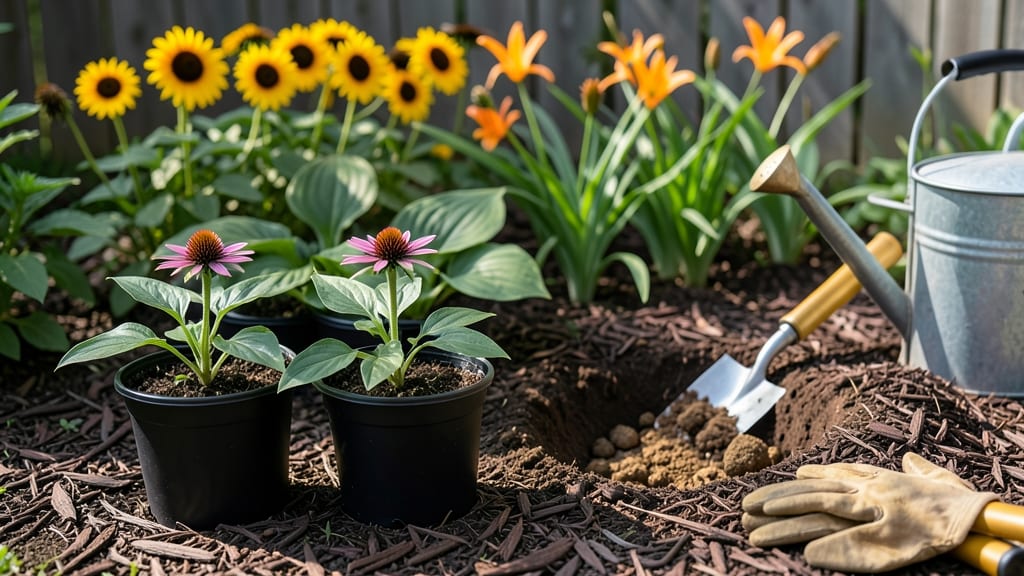
Planting perennials at the right time in Zone 6 can make the difference between a garden that thrives for years and one that struggles to take root.
With frost dates swinging from April 15 to October 15, timing is everything—too early and your 🌱 may freeze, too late and they won’t establish before winter. The key? Understanding when the soil warms up in spring or when roots can settle in fall before the ground hardens.
I’ve learned the hard way that rushing spring planting often leads to disappointment, while waiting too long means missing the ideal window. The solution lies in knowing your specific Zone 6a or 6b variations and preparing the soil properly.
Whether you’re planting woody shrubs or delicate herbaceous perennials, the right timing ensures stronger growth and fewer pests.
In this guide, I’ll break down the exact spring soil warmth and fall hardiness rules you need to follow. You’ll discover which perennials thrive when planted early in the season and which prefer the cooler soil of fall.
Plus, I’ll share my top tips for soil prep and regional adjustments to keep your garden flourishing year after year.
Ready to stop guessing and start planting with confidence? Let’s dive into the best times to get your perennials in the ground for a garden that lasts.
Zone 6 perennial planting calendar: spring soil warmth guidelines
Spring planting in Zone 6 depends on more than just last frost dates—soil temperature plays a critical role in determining when to plant your perennials. Cold soil can stunt root growth, while waiting too long risks early summer heat stress.
For most herbaceous perennials, aim for planting when soil reaches 50°F (10°C), while woody perennials like shrubs tolerate cooler soil. Regional variations within Zone 6 (6a vs. 6b) can shift ideal planting windows by 2-3 weeks.
In Zone 6a (colder microclimates), soil warms slowly, so start planting herbaceous perennials like coneflowers or black-eyed Susans in early April after the last frost. For Zone 6b (warmer areas), late March works for many varieties.
Always test soil temperature with a soil thermometer—it’s the most reliable indicator of readiness.
Here’s how regional differences impact your spring planting timeline:
| Zone 6 Region | Last Frost Date | Ideal Soil Temp for Planting | Best Planting Window | Example Perennials |
|---|---|---|---|---|
| 6a (Colder) | Mid-April | 50°F (10°C) | Early April (after frost) | Coneflowers, Lavender, Peonies |
| 6b (Warmer) | Late March | 45°F (7°C) | Late March (soil thawed) | Daylilies, Salvia, Russian Sage |
| Mountainous Areas | Early May | 55°F (13°C) | Late April (soil warmed) | Hostas, Asters, Bleeding Heart |
For woody perennials like shrubs or small trees, planting can begin as early as late February in Zone 6b, provided the ground isn’t frozen. These plants establish roots slowly, so earlier planting gives them a head start.
Always amend soil with compost or well-rotted manure to improve drainage—especially critical in heavy clay soils common in Zone 6.
If you’re planting tender perennials like cannas or dalmatian bellflowers, wait until after the last frost and until nighttime temperatures consistently stay above 55°F (13°C).
These varieties are more sensitive to late spring frosts, which can damage emerging foliage. Use row covers or mulch for extra protection if planting early.
Soil preparation is just as important as timing. Before planting, loosen soil to a depth of 12 inches and mix in organic matter. For herbaceous perennials, a light layer of mulch (2-3 inches) helps retain moisture and regulate soil temperature.
Avoid planting in soggy soil—wait for excess moisture to drain, especially in low-lying areas where frost pockets may linger.
Pro tip: Use a soil thermometer to monitor temperatures daily. If soil is still below 50°F (10°C) by mid-April, hold off on planting herbaceous perennials until conditions improve. For woody plants, cooler soil (down to 40°F/4°C) is acceptable, but avoid planting if the ground is frozen.
Regional microclimates can shift planting windows by 1-2 weeks. Urban areas often warm up faster than rural zones due to heat island effect, while valleys and lowlands may stay colder longer.
Observe your local patterns—if your neighbors’ daffodils bloom in early March, it’s a sign soil is warming quickly. Adjust your planting schedule accordingly.
Don’t forget to harden off container-grown perennials before planting. Gradually expose them to outdoor conditions over 7-10 days to reduce transplant shock. For bare-root plants, soak roots in water for 1-2 hours before planting to rehydrate them. This simple step can improve survival rates by up to 30%.
Timing your spring perennial plantings in Zone 6 isn’t just about avoiding frost—it’s about giving your plants the best possible start. With the right soil temperature, preparation, and regional adjustments, your garden will reward you with vibrant blooms and healthy growth all season long. 🌱
Fall planting rules for Zone 6 perennials: hardiness and root establishment
Fall is one of the best times to plant perennials in Zone 6 because cooler temperatures and increased rainfall help roots establish before winter dormancy. Unlike spring planting, fall gives your plants a head start on root growth without the stress of summer heat.
The key is timing—plant too late, and your perennials won't have enough time to harden off before frost. Too early, and you risk encouraging new top growth that won't survive cold snaps.
For Zone 6, aim to plant perennials 4-6 weeks before your first frost date, typically between mid-September and early October. This window ensures roots have time to grow while temperatures stay mild enough for recovery.
Hardier perennials like coneflowers or black-eyed Susans can handle slightly later plantings, but tender varieties like lavender need extra care to avoid winter damage.
✅ Fall Planting Success Checklist for Zone 6
- 1. Check frost dates: Plant 4-6 weeks before first frost (e.g., September 15-October 15 in most of Zone 6).
- 2. Soil prep: Amend with compost and ensure good drainage—waterlogged soil kills roots.
- 3. Water deeply: Soak roots after planting and weekly afterward until frost.
- 4. Mulch properly: Apply 2-3 inches of mulch (straw or shredded leaves) to insulate roots.
- 5. Choose hardy varieties: Prioritize Zone 5-6 perennials like sedum, heuchera, or Russian sage.
Not all perennials thrive with fall planting. Woody plants like shrubs or trees should ideally be planted in early fall (September) to allow root growth before dormancy. Herbaceous perennials, such as hostas or daylilies, can handle later plantings but benefit from a light fertilizer application in early fall to boost root development.
Avoid planting tender perennials like salvia or canna lilies too close to frost—they won’t survive winter.
Preparing your perennials for winter starts with soil health. Test your soil’s pH and nutrient levels before planting—aim for a neutral to slightly acidic pH (6.0-7.0). Add organic matter like compost or well-rotted manure to improve structure and moisture retention.
For containers, use a lightweight potting mix with perlite to prevent compaction. Drainage holes are non-negotiable to avoid root rot during fall rains.
One common mistake gardeners make is overwatering in fall. While consistent moisture is crucial for root establishment, soggy soil can suffocate roots and invite disease.
Water deeply but infrequently—aim for 1 inch of water per week, adjusting for rainfall. Morning watering is best to reduce evaporation and fungal risks. As temperatures drop, reduce watering frequency but keep soil slightly moist until the ground freezes.
Mulching is your best defense against winter dieback. Apply a 2-3 inch layer of organic mulch (straw, shredded leaves, or pine needles) around your perennials after planting. This layer insulates roots, regulates soil temperature, and suppresses weeds.
Avoid piling mulch against plant stems to prevent rot. In Zone 6, where winters can fluctuate between freeze-thaw cycles, mulch helps protect roots from temperature swings that can damage emerging growth in spring.
With the right timing and care, fall-planted perennials will reward you with vibrant blooms and lush foliage the following season. Start with hardy varieties, prioritize soil prep, and follow the 4-6 week rule before frost. Your garden will thank you for the head start! 🌿