
Planting
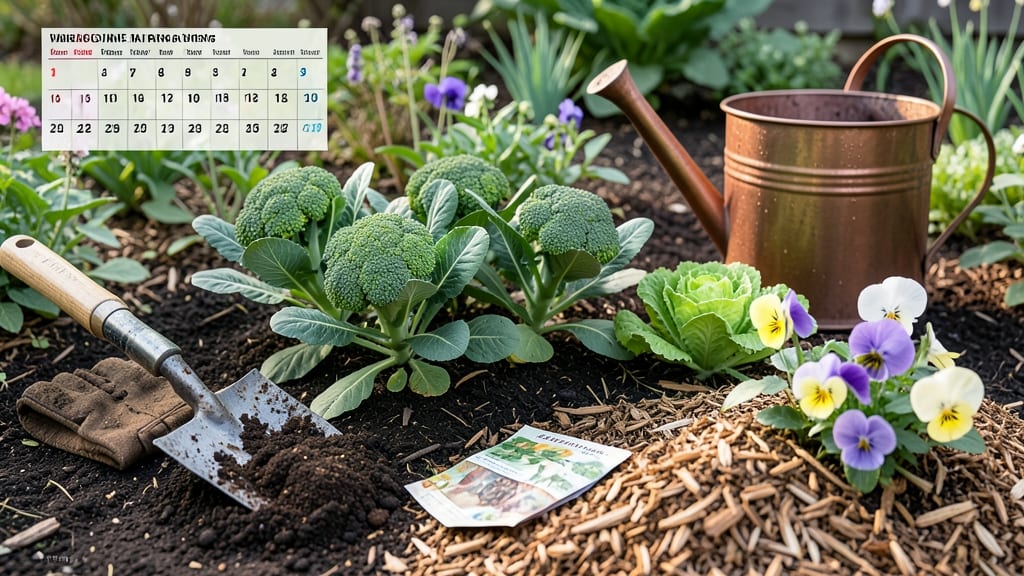
Planting your garden at the wrong time in Virginia can turn your hard work into a frost-kissed disappointment—especially when last frost dates swing wildly from the coast to the mountains.
Whether you're growing 🌱 General Garden Plants like tomatoes or delicate perennials, getting the timing right means the difference between a lush harvest and a sad, wilted mess.
Virginia’s 6a-8a zones create a patchwork of microclimates where a coastal gardener’s schedule won’t match a Piedmont farmer’s. That’s why I’ve dug into the data to give you the perfect planting windows—down to the week—so you can skip the guesswork and start strong. No more waiting until it’s too late!
From cool-season crops like broccoli to heat-loving peppers, I’ll walk you through exactly when to plant in your specific corner of the state. Plus, I’ll share pro tips for soil prep and avoiding common mistakes that trip up even experienced gardeners.
Let’s get those seeds in the ground at the right moment!
Ready to transform your garden from “meh” to “magnificent”? The clock is ticking—literally—and these timing tricks will help you beat the frost and grow like a local. Let’s make this your best planting season yet!
Virginia planting zones: how heat maps determine your ideal start dates
Virginia’s diverse climate—from the humid Tidewater coast to the cooler Appalachian mountains—means planting times vary dramatically. Understanding your USDA hardiness zone (ranging from 5a to 8a) and using county-specific heat maps is key to avoiding frost damage and maximizing yields.
These tools help you calculate frost-free dates with precision, ensuring your vegetables, flowers, and herbs thrive.
Most Virginia gardeners rely on the USDA Plant Hardiness Zone Map to gauge cold tolerance, but heat zone maps add another critical layer. Heat maps show how quickly soil warms in spring, which directly impacts when you can safely plant warm-season crops like tomatoes or peppers.
For example, Zone 7b in the Piedmont warms faster than Zone 6a in the Shenandoah Valley, meaning your planting window shifts by weeks.
To find your exact zone, visit the USDA Interactive Map and enter your county name. Then, cross-reference with Virginia Cooperative Extension heat maps, which provide last frost dates and first frost dates for your area.
For instance, Norfolk (Zone 8a) typically has a last frost around March 15, while Roanoke (Zone 6b) waits until April 5. This 18-day difference can make or break your early plantings.
🌱 Key Takeaway: Always plant cool-season crops (like lettuce or peas) 4-6 weeks before your last frost date, and warm-season crops (like cucumbers or basil) 2-3 weeks after. Heat maps help you pinpoint these dates with confidence, reducing guesswork.
📋 Regional Variations:
- Tidewater (Zones 7b-8a): Longer growing season; start warm crops by March 20.
- Piedmont (Zones 6b-7a): Moderate season; aim for April 1 for tomatoes.
- Appalachia (Zones 5a-6a): Shorter season; delay until May 10 to avoid frost.
Here’s how to use heat maps effectively: First, note your average last frost date (e.g., March 25 for Richmond). Then, subtract 2-3 weeks for warm-season starters (like peppers) to align with soil temperatures of 60°F+.
For cool-season crops, add 4-6 weeks to your frost date. Pro tip: Use a soil thermometer to confirm—soil must be 50°F+ for seeds to germinate.
Don’t overlook microclimates within your zone. Urban areas (like Arlington) often warm faster than rural spots due to heat islands, while valleys (like Staunton) stay cooler longer. Adjust your planting by 1-2 weeks if your garden sits in a frost pocket or near water.
For example, Charlottesville’s Piedmont location means its Zone 7a frost dates can vary by 7 days depending on elevation.
🌡️ Heat Map Tips:
- Check Virginia Tech’s Heat Unit Calculator for precise soil warming trends.
- Use frost-free date calculators like Almanac’s Frost Calculator for county-level data.
- Plant fast-maturing varieties (e.g., bush beans) if your season is short.
For herbs and flowers, timing matters too. Basil and marigolds need warm soil, so wait until May 1 in cooler zones. Conversely, pansies and kale can handle light frosts, so sow them in September for a fall harvest.
Heat maps help you avoid bolting (premature flowering) in cool-weather crops like spinach.
Finally, combine heat maps with moon planting guides for extra precision. The full moon in April signals ideal transplanting for root crops (carrots, beets), while the new moon in May is perfect for leafy greens. Pairing these lunar phases with your heat zone data ensures your garden starts strong.
⚠️ Common Mistake: Many gardeners plant tomatoes too early, assuming their zone is warmer than it is. Always verify with a local extension office—their data is updated annually to reflect climate shifts. For example, Zone 7a in Lynchburg may now experience earlier springs due to warming trends, so adjust accordingly.
By mastering heat maps and USDA zones, you’ll transform your Virginia garden from a gamble into a predictable, high-yielding success. Start with your county’s frost dates**, then fine-tune with soil temps and microclimates. Happy planting!