
How To
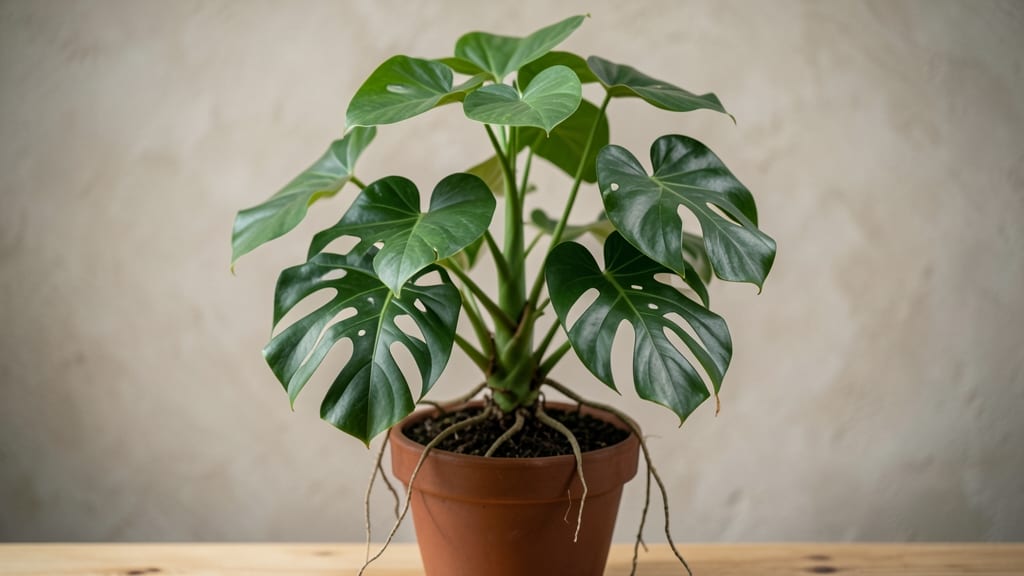
If you’re wondering how much light a Monstera plant needs to thrive—drooping leaves, slow progress, or even yellowing—chances are, its light exposure is off. Getting the right balance isn’t just about placing it near a window; it’s about understanding how much light your Monstera truly needs to thrive.
Most Monsteras crave bright indirect light for 4 to 6 hours daily, but too much direct sun can scorch those iconic split leaves. The key is finding that sweet spot where your plant gets enough light to fuel its growth without risking damage.
Let’s break down exactly how to set it up for success.
You’ll learn how to spot signs of underlighting or overexposure, where to place your plant for optimal results, and even how to supplement natural light if your space falls short.
Whether you’re dealing with a leggy Monstera or one that’s barely holding onto its leaves, these tips will help you revive it.
Ready to transform your plant’s health? I’ll walk you through everything—from window placement to artificial lighting solutions—so you can finally see that lush, vibrant growth you’ve been dreaming of.
Monstera light requirements: ideal hours and placement for healthy growth
Your Monstera deliciosa, also called the Swiss cheese plant, thrives on bright indirect light—think of it as a tropical rainforest dweller that hates harsh sun. Too little light leads to small, pale leaves and leggy growth, while too much causes brown leaf tips and crispy edges.
The key is finding that sweet spot where your plant gets 4-6 hours of filtered sunlight daily, mimicking its natural habitat under a canopy.
Indoor Monsteras often struggle with low-light conditions in north-facing rooms or deep shadows. If your plant starts stretching toward the light (a condition called etiolation), it’s begging for more brightness.
Outdoor Monsteras, on the other hand, can handle morning sun but should be shielded from intense afternoon rays, especially in southern exposures where UV damage risks rise.
Here’s how to visualize the perfect light setup for your Monstera—whether you’re working with a sunny window, a grow light, or an outdoor spot:
| Light Condition | Daily Hours Needed | Ideal Placement | Signs of Stress |
|---|---|---|---|
| Bright Indirect Light | 4-6 hours | East/west window, 2-3 ft away; under sheer curtains | Healthy large leaves, glossy green |
| Low Light | 2-3 hours | North-facing window, dim corners | Small, yellow leaves, leggy stems |
| Direct Sunlight | 1-2 hours max | South-facing window (afternoon shade), outdoor with dappled shade | Brown patches, crispy edges, sunburn |
| Artificial Grow Light | 12-14 hours | 6-12 inches under LED grow light | Uniform growth, no stretching |
For indoor Monsteras, east-facing windows are ideal because they provide gentle morning light without the harsh afternoon heat. Place your plant 2-3 feet away from the glass to avoid direct rays, and rotate it quarter-turns every 2 weeks to ensure even growth.
If your home lacks natural light, a 10,000-lux LED grow light on a timer (12-14 hours/day) can replicate sunlight perfectly—just keep it 6-12 inches above the leaves.
Outdoor Monsteras love partial shade, especially in hot climates. A spot under a tree canopy or on a covered patio gives them the filtered light they crave. Avoid placing them in full sun during peak hours (10 AM–4 PM), as this can scorch the leaves.
If you’re growing yours outside in summer, bring it indoors when temperatures exceed 85°F to prevent heat stress.
Watch for leaf color changes as your first clue about light needs. If new leaves are small and dark green, it’s a sign of low light. Conversely, yellow or brown patches mean too much direct sun.
Adjust placement gradually—don’t move your Monstera suddenly, as it can shock the plant. Instead, shift it a few inches at a time over a week to let it acclimate.
Pro tip: Use a light meter (or your phone’s lux app) to measure light levels. Aim for 10,000-15,000 lux for optimal growth. If your space falls short, supplement with a full-spectrum grow bulb—just avoid fluorescent lights, which can cause purple-tinged leaves over time.
Remember, Monsteras are forgiving plants if you catch light issues early. With the right placement, your plant will reward you with bold, fenestrated leaves and rapid growth. Start by assessing your space, then tweak as needed—your Monstera will thank you with lush, tropical beauty!
Signs your Monstera isn’t getting enough (or too much) light
Your Monstera deliciosa might be silently screaming for help if its leaves are telling a different story than you expected. When a Monstera isn’t getting the right amount of light exposure, it shows up in subtle (or not-so-subtle) ways.
The first clue? Slow growth or leaves that stay small and pale, even after months of care. This tropical beauty thrives in bright indirect light, but too little makes it stretch desperately toward any available light source—a condition called etiolation.
On the flip side, too much direct sunlight can cause leaf burn, visible as crispy brown edges or white patches on the leaves. If your Monstera’s leaves look like they’ve been sunbathed without sunscreen, it’s time to move it to a shadier spot.
The key is finding that sweet spot where your plant gets enough light to grow but isn’t fried by harsh rays.
🌿 Monstera Light Checklist
| Issue | Signs | Solution |
|---|---|---|
| Too Little Light | Pale yellow leaves, slow growth, leggy stems | Move to bright indirect light, rotate plant weekly |
| Too Much Light | Brown crispy edges, white/yellow patches | Use sheer curtains, move 2-3 feet from window |
| Perfect Light | Dark green leaves, healthy variegation, steady growth | Keep near east/west window, 4-6 hours daily |
If your Monstera’s leaves are developing yellow patches or dropping prematurely, it might be struggling with inconsistent light. This is common in homes where the plant gets morning sun but harsh afternoon rays.
Try placing it near a west-facing window for gentle afternoon light, or use a light sheer curtain to diffuse the intensity. Rotate your plant every 2-4 weeks to ensure even growth and prevent it from leaning toward one light source.
Another red flag? No new leaves for months. A healthy Monstera should produce at least one new leaf every 2-3 months. If it’s been longer, your plant might be light-deprived.
Boost its light exposure gradually—sudden changes can shock the plant. Start by moving it closer to a window by 6 inches per week until you see new growth.
For indoor growers, grow lights can be a lifesaver during winter months when natural light fades. A simple LED grow light placed 12-18 inches above your Monstera for 12-14 hours daily mimics the ideal growing conditions. Just avoid placing it too close, or you’ll risk burning those beautiful leaves.
Remember, your Monstera’s light needs can shift with the seasons. In winter, supplement with artificial light if days are short. In summer, watch for signs of overheating—like drooping or wilting—and adjust accordingly. Pay attention, and your Monstera will reward you with lush, dramatic foliage in no time! 🌱