
How To
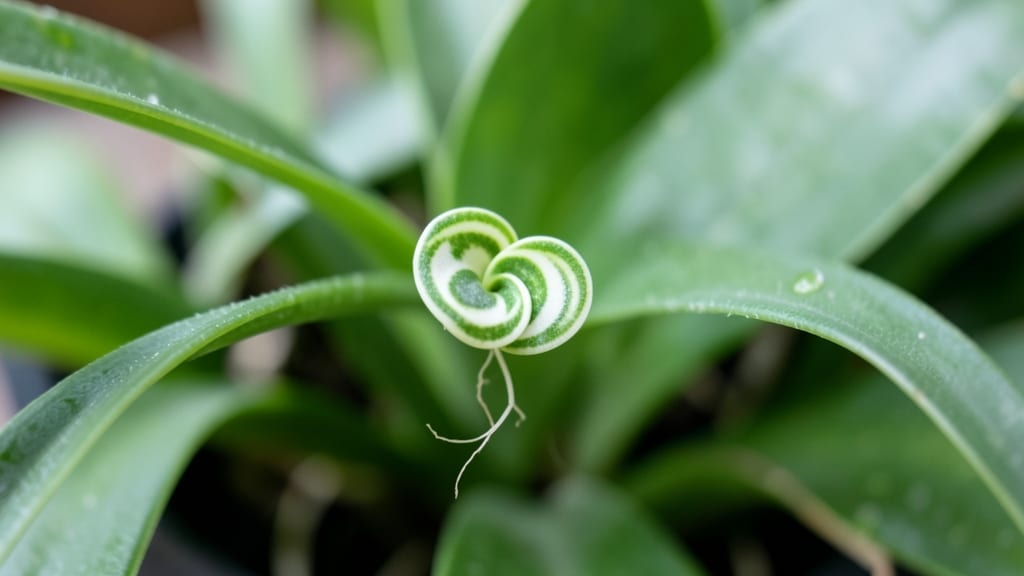
If your 🕷️ Spider Plant is looking a little worse for the wear—think brown tips or leggy growth—chances are, its spider plant how much light situation isn’t quite right.
These hardy plants thrive in bright indirect light, but too much or too little can turn your lush foliage into a sad, struggling mess.
You might be surprised to learn that Spider Plants are actually quite flexible when it comes to light, but that doesn’t mean they’ll tolerate just anything. Whether you’re dealing with a dim corner or a sun-drenched windowsill, finding the sweet spot is key to keeping your plant happy and growing.
In this guide, I’ll walk you through everything you need to know—from the ideal light conditions to spotting signs of over- or under-exposure. You’ll discover the best spots in your home, how to adjust for seasonal changes, and even some clever tricks for low-light situations.
Ready to give your 🕷️ Spider Plant the perfect lighting setup? Let’s get started—your plant’s health (and those adorable offsets) will thank you!
Ideal light conditions for spider plants: bright indirect sun explained
Spider plants (Chlorophytum comosum) thrive in bright indirect light, making them perfect for homes with filtered sunlight. Unlike sun-loving plants, they avoid harsh rays that scorch delicate leaves.
The key is finding that sweet spot where light is abundant but diffused—think dappled shade under a tree. East-facing windows are ideal, offering gentle morning sun without midday intensity.
If your home lacks natural light, don’t panic! Spider plants adapt well to moderate artificial light, like fluorescent bulbs or LED grow lights. I’ve kept mine thriving under office lighting for years.
The secret is consistency—just mimic the 4-6 hours of indirect light they’d get naturally. Rotate your plant occasionally to ensure even growth and prevent lopsided foliage.
🌱 Did You Know? Spider plants can tolerate low-light conditions for short periods, but their growth slows dramatically. Yellowing leaves or sparse offsets signal it’s time to move them closer to a light source. In my experience, a west-facing window works too, but watch for afternoon sunburn risks.
| Light Condition | Description | Best Placement | Growth Impact |
|---|---|---|---|
| Bright Indirect Light | East/west windows, 1-3 ft away; diffused sunlight | Near windows with sheer curtains | Healthy, vibrant growth; frequent offsets |
| Moderate Artificial Light | Fluorescent/LED bulbs, 12-14 hrs/day | Desk lamps 6-12 inches above plant | Slower growth; maintain leaves |
| Low Light | North-facing windows or dim corners | Avoid dark closets; use grow lights | Pale leaves; minimal offsets; leggy stems |
| Direct Sun | South-facing windows; unfiltered rays | Never place directly in sunlight | Brown tips; crispy leaf edges |
For the best results, place your spider plant 1-3 feet from an east-facing window where it receives morning sunlight and fades into afternoon shade. If you notice leaves stretching toward the light (a sign of etiolation), it’s time to relocate.
I once had a spider plant in a north-facing window—it survived but grew so slowly I nearly gave up on it!
Artificial lighting can be a lifesaver in apartments or offices. A simple 15W fluorescent bulb placed 6-12 inches above your plant mimics natural light perfectly. For larger setups, consider LED grow lights with a 6500K color temperature—they’re energy-efficient and won’t overheat.
I tested a $20 LED bulb on mine, and within a month, the offsets multiplied!
Seasonal changes affect light exposure too. In winter, shorter days mean reduced natural light. Rotate your plant every few weeks to ensure even growth, and supplement with a timer-controlled grow light if needed. My spider plant’s growth nearly halted in December until I added a 12-hour light cycle.
Pro tip: Test your light conditions with a simple trick. Hold a piece of paper near your plant—if you can easily read the print, the light is too harsh.
If the text is blurry, it’s perfect! This method saved my variegated spider plant from losing its stunning stripes when I first moved it to a brighter spot.
Finally, avoid the myth that spider plants thrive in complete darkness. While they’re more forgiving than many houseplants, they’ll still struggle. Even a 10-foot fluorescent desk lamp in a dim room can make a difference.
The goal is to keep leaves dark green and upright—anything paler or stretched means it’s time to adjust.
With the right light, your spider plant will reward you with arching foliage, long stems, and those adorable baby plants (offsets) that make propagation a breeze. Happy growing! 🪴
Signs your spider plant isn’t getting enough (or too much) light
Your spider plant might be silently begging for help if its leaves start showing strange colors or textures. Brown tips are the most common complaint, but yellowing foliage or stunted growth can also signal light issues.
The key is understanding how bright indirect light differs from harsh direct sun or dim corners.
Spider plants thrive in moderate light, but too little causes pale, weak leaves, while too much triggers crispy brown edges. Seasonal changes—like shorter winter days—can also throw their light needs off balance. Let’s decode these visual clues so you can rescue your plant’s health.
⚠️ Warning: Light Stress Signs
Too little light: Yellow leaves (especially lower ones), slow growth, and long, thin stems stretching toward light.
Too much light: Brown crispy tips, bleached or white patches, and leathery leaves that feel tough to the touch.
Action step: Move your plant to a 1-3 foot distance from an east- or west-facing window for ideal bright indirect light.
If your spider plant’s leaves are turning yellow and mushy, it’s likely suffering from root rot due to overwatering in low light.
This happens when the plant can’t photosynthesize enough to support itself. Prune the damaged leaves and relocate it to a brighter spot—just avoid direct sunlight, which burns leaves faster than you can say "sunburn."
During winter months, natural light drops by up to 50%, forcing your spider plant into survival mode. If growth slows to a crawl, consider supplementing with a 12-inch LED grow light for 12-14 hours daily.
Place it 6-12 inches above the plant to mimic bright indirect light conditions.
Another red flag? Brown tips that refuse to go away, even after adjusting watering. This often means your plant is stressed from fluctuating light, like sitting near a south-facing window in summer but a dark corner in winter.
Commit to one consistent spot—east or west windows are your best bet for year-round stability.
Pro tip: Rotate your spider plant quarter-turns every 2 weeks to ensure even light exposure. Uneven growth (like lopsided leaves) means one side is getting more light than the other. Balance is key—just like your plant’s arching leaves reaching for harmony.