
Plants
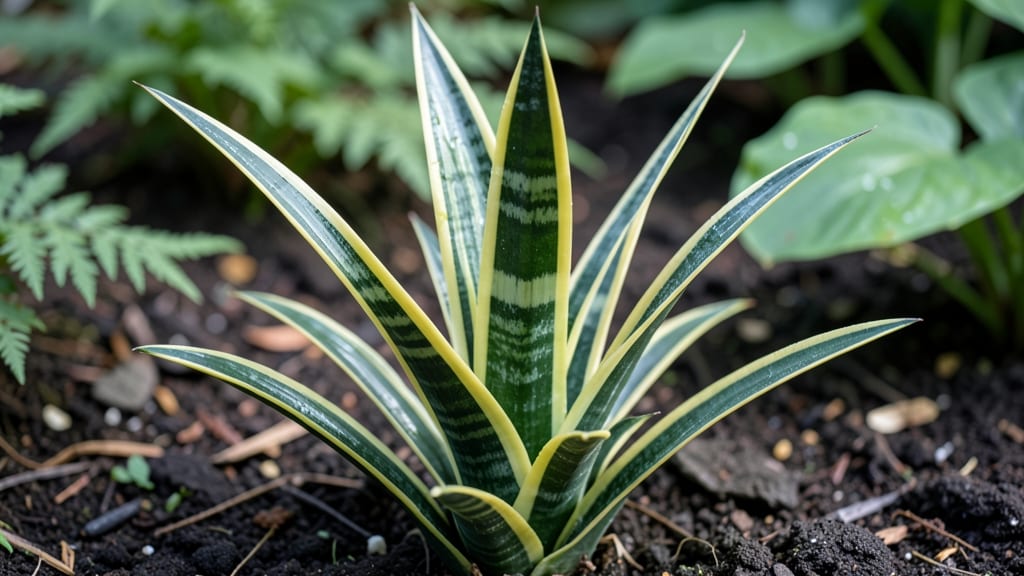
Wondering how tall your snake plant 🌱 could grow? The answer might surprise you—this hardy houseplant can stretch from a modest 1 foot to a towering 4 feet, depending on where you place it. Indoors, most varieties stay compact, but with the right conditions, they’ll reach for the sky.
If you’re growing yours inside, expect heights between 12 and 24 inches on average, though some dwarf varieties stay shorter. Outdoors, especially in warmer climates like USDA Zone 6a, they can double in size—reaching heights of 3 to 4 feet with plenty of sunlight.
The key? Light exposure and pot size make all the difference.
Don’t worry if your snake plant seems to be growing too fast—there are easy ways to manage its height. Whether you’re dealing with leggy stems or just want to keep it at a manageable size, I’ll share simple tricks to control its growth without sacrificing its health.
Let’s dive into what influences your plant’s height and how to keep it thriving.
From indoor spaces to outdoor gardens, your snake plant’s growth potential is impressive—but with a little care, you can guide it to stay just the right size. Ready to learn how? Let’s get started!


Snake plant height guide: indoor growth limits and expected heights
Your snake plant (Sansevieria) is a slow-growing but surprisingly vertical houseplant when given the right conditions. Indoors, most varieties reach 12–24 inches at maturity, though some can stretch taller with ideal care.
Understanding these height expectations helps you plan placement and care strategies to keep your plant thriving without overcrowding your space.
The average indoor height for common varieties like 'Laurentii' or 'Futura Superba' falls between 18–24 inches over 2–3 years. However, factors like light exposure, pot size, and watering habits can significantly alter this growth trajectory.
For example, a snake plant in a small pot with limited root space will stay compact, while one in a large container with bright light may reach its maximum height faster.
Here’s a quick reference for expected growth under typical indoor conditions:
| Variety | Indoor Height Range | Growth Rate | Key Growth Factor |
|---|---|---|---|
| Sansevieria trifasciata 'Laurentii' | 12–24 inches | Slow to moderate | Bright indirect light |
| Sansevieria 'Futura Superba' | 18–30 inches | Moderate | Large pot size (2+ gallons) |
| Sansevieria 'Hahnii' (Bird's Nest) | 6–12 inches | Slow | Low-light tolerance |
| Sansevieria 'Moonshine' | 15–24 inches | Moderate | Well-draining soil |
| Note: Heights can vary by 20–30% based on care conditions. | |||
One of the biggest factors influencing your snake plant’s height is light exposure. These plants thrive in bright, indirect light, which encourages vertical growth. Place your plant near an east-facing window for gentle morning sun or a west-facing window for afternoon light.
If you notice leggy stems or stretched-out leaves, it’s a sign your plant isn’t getting enough light. In such cases, move it closer to a window or supplement with a grow light for 4–6 hours daily.
Another critical factor is pot size. Snake plants are root-bound sensitive, meaning they grow taller when roots fill the container. If your plant is in a small pot (under 6 inches in diameter), expect slower vertical growth.
For faster (but controlled) height increases, repot into a 1–2 gallon container every 2–3 years. Just ensure the new pot has drainage holes to prevent root rot, which can stunt growth entirely.
Watering habits also play a subtle but important role in height regulation. Overwatering can cause root stress, leading to stunted growth or even leaf drop, while underwatering slows metabolism and reduces vertical expansion.
Aim to water your snake plant every 2–3 weeks during spring and summer, allowing the top 2–3 inches of soil to dry out completely between waterings. In fall and winter, reduce watering to once a month to mimic its natural dormancy period.
If you’re concerned about your snake plant becoming too tall for its space, don’t worry—there are simple ways to encourage compact growth. Start by pruning leggy stems at the base using sterilized scissors. You can also propagate the cuttings to grow new plants.
Another trick is to rotate your plant quarter-turns every few weeks to ensure even light exposure on all sides, which promotes balanced growth rather than vertical stretching.
For those with limited space, consider dwarf varieties like 'Hahnii' or 'Black Gold', which typically stay under 12 inches tall. These varieties are perfect for small apartments or desk plants and still offer the same air-purifying benefits as their taller cousins.
Just remember that even dwarf snake plants appreciate the same care principles—bright light, well-draining soil, and minimal watering.
In summary, your snake plant’s indoor height is largely in your hands. With proper light, adequate pot size, and consistent care, you can enjoy a thriving plant that stays within your desired height limits—whether that’s a compact 12-inch specimen or a tall 24-inch statement piece. 🌱
Outdoor snake plant growth: how sunlight and climate affect height
Moving your snake plant outdoors can dramatically transform its growth, with heights reaching 3–4 feet under ideal conditions. Unlike its indoor counterpart, outdoor snake plants thrive with more sunlight and space, but climate plays a crucial role.
In full sun regions, expect faster vertical growth, while cooler climates may slow development. Understanding your local USDA zone and humidity levels helps predict whether your plant will stretch skyward or stay compact.
Sunlight is the biggest factor in outdoor growth. Full sun exposure (6+ hours daily) encourages rapid height increases, especially in USDA zones 9–11, where temperatures stay warm year-round. In contrast, partial shade (3–6 hours of sun) keeps growth slower but maintains a bushier form.
Humidity also matters—high humidity in zones like Florida or Louisiana can lead to lush, taller plants, while dry climates (e.g., Arizona or Nevada) may stunt growth without extra care.
| Condition | Expected Height | Growth Notes |
|---|---|---|
| Full Sun (6+ hrs/day) | 3–4 ft | Fastest growth in zones 9–11; may need pruning. |
| Partial Shade (3–6 hrs/day) | 2–3 ft | Slower growth; ideal for zones 6–8. |
| High Humidity (e.g., Florida) | 3–4 ft | Lush, taller growth; monitor for pests. |
| Dry Climate (e.g., Arizona) | 1.5–2.5 ft | Slower growth; needs well-draining soil. |
| Cooler Zones (e.g., Zone 5) | 1–2 ft | Growth slows in winter; protect from frost. |
Seasonal changes also impact height. In spring and summer, snake plants grow most aggressively, especially with consistent sunlight. However, in fall and winter, growth slows or halts in cooler zones (e.g., USDA zones 3–5).
If you live in a colder region, consider bringing potted snake plants indoors before the first frost to prevent stunted growth. Even in mild climates, winter dormancy can reduce height gains by up to 30% compared to peak seasons.
Soil and container size matter too. Outdoor snake plants in large containers (12+ inches deep) grow taller than those in small pots, as roots have more room to expand. Amend your garden soil with sand or perlite to improve drainage, which prevents root rot and encourages upward growth.
If planting directly in the ground, choose a spot with well-draining soil to avoid waterlogged roots, which can stunt height development.
Regional examples highlight the differences: In Southern California (Zone 10), outdoor snake plants often reach 4 feet by their third year, while in New York (Zone 6), they may only grow to 2 feet without winter protection.
Adjust your expectations based on your climate—patience and seasonal adjustments will help you achieve the ideal height for your snake plant’s outdoor environment.
With the right conditions, your outdoor snake plant can become a striking vertical accent in your garden. Monitor its growth closely, and don’t hesitate to prune or repot if it outgrows its space. The key is balancing sunlight, soil, and climate to encourage healthy, controlled height development.