
Plants
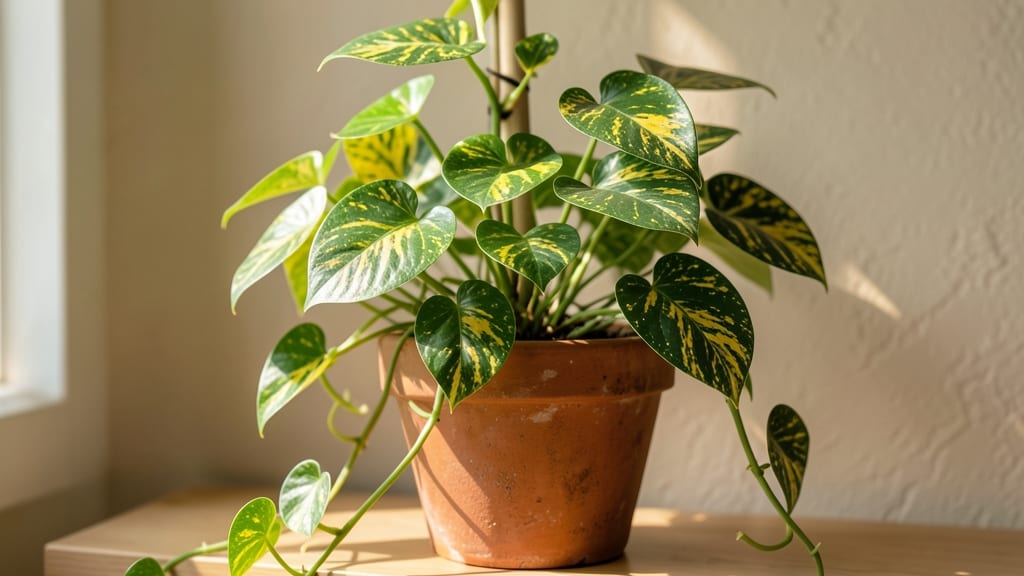
Wondering how tall does a Chinese Money Plant grow? This stunning 🌿 can reach anywhere from 1 to 3 feet indoors, depending on its variety and care—but don’t let its compact size fool you.
Some varieties, like the classic 'Money Tree,' grow steadily over years, while others stay small and bushy if pruned regularly.
If you’re dreaming of a lush, floor-filling plant, you’ll need to provide the right conditions. Bright, indirect light encourages taller growth, while low light keeps it smaller. The key is balancing space and care to match your home’s vibe—whether you want a statement piece or a modest tabletop companion.
Here’s the best part: with a few simple adjustments, you can control its height. Pruning encourages bushier growth, while proper lighting and occasional repotting can help it reach its full potential. Let’s break down exactly what works for each variety so you can get the perfect-sized plant for your space.
Whether you’re a beginner or a seasoned plant parent, understanding these growth factors will help you nurture a thriving Chinese Money Plant that fits your home—and your lifestyle. Ready to discover the secrets to managing its height?


Chinese money plant height by variety: compact vs. tree-like growth
The Chinese Money Plant (Pachira aquatica) is a versatile houseplant that can grow into either a compact bush or a tree-like specimen, depending on its variety and care. Some varieties stay under 3 feet tall, perfect for shelves, while others can reach 10 feet indoors with ideal conditions.
Understanding these differences helps you choose the right variety for your space and growth goals.
Your Chinese Money Plant’s height is influenced by its genetic variety, pruning habits, and light exposure. For example, the 'Rain Tree' variety often grows taller, while the 'Golden Money Tree' stays bushier. Let’s explore how each variety matures and what you can do to manage their growth.
🌿 Comparison Table: Chinese Money Plant Varieties by Height
| Variety | Mature Height (Indoors) | Growth Habit | Ideal Spacing (Potted) | Pruning Needs |
|---|---|---|---|---|
| 'Money Tree' | 3–6 feet | Tree-like, single trunk | 12–18 inches from ceiling | Minimal; trim leggy branches |
| 'Rain Tree' | 6–10 feet | Tall, multi-trunk | 24+ inches from ceiling | Regular; encourage branching |
| 'Golden Money Tree' | 2–4 feet | Bushy, multi-stemmed | 8–12 inches from edges | Frequent; prune to shape |
| 'Dwarf Varieties' | 1–3 feet | Compact, rounded | 6–10 inches from edges | Light; pinch tips for bushiness |
If you’re growing a 'Money Tree' or 'Rain Tree', expect a taller, tree-like structure that thrives in bright, indirect light. These varieties can become room-dividers if given enough space. Place them near east-facing windows or under grow lights to encourage upward growth without legginess.
For compact varieties, like the 'Golden Money Tree', focus on pruning and pinching to maintain their bushy shape. These plants are ideal for desks, shelves, or small tables where height isn’t a concern. Regularly trim the topmost leaves to encourage lateral branching and a fuller appearance.
Pruning plays a critical role in controlling height. For tall varieties, prune leggy stems in early spring to promote branching. For compact varieties, prune spent leaves and overgrown stems to maintain their desired shape. Always use sterilized scissors to prevent disease.
Proper pot size also impacts height. A too-large pot encourages root growth over foliage, leading to taller, weaker plants. Choose a pot that’s only 2–3 inches larger in diameter than the root ball. For tall varieties, opt for deep pots to support their vertical growth.
Light conditions directly affect height. Low light slows growth, keeping plants under 3 feet, while bright indirect light can push 'Rain Tree' varieties toward 10 feet. Monitor your plant’s leaf color—pale leaves signal insufficient light, while yellowing leaves may indicate too much direct sun.
To keep your Chinese Money Plant at your desired height, combine pruning, proper lighting, and regular repotting. With the right care, you can grow this stunning plant as a small accent piece or a statement tree in your home.
🪴
How light conditions affect chinese money plant growth height
The Chinese Money Plant (Pachira aquatica) is famously adaptable, but its growth height is directly tied to the light conditions you provide. Too little light slows its growth, while too much can stress it—finding the right balance is key to encouraging that lush, tree-like structure many growers love.
Let’s break down how different light scenarios influence your plant’s height potential.
In low-light conditions, your Chinese Money Plant will typically stay under 3–4 feet tall as it stretches toward any available light source. This creates a leggy, sparse appearance, which isn’t ideal for its natural bushy form.
If your space only offers dim corners or north-facing windows, expect slower growth and a need for more frequent pruning to maintain shape.
When placed in bright indirect light, your Chinese Money Plant thrives, reaching its ideal height of 5–6 feet indoors. This is the sweet spot for growth—enough light to fuel photosynthesis without causing leaf scorch.
Position your plant near an east-facing window or under sheer curtains for the perfect balance. You’ll notice thicker stems, fuller foliage, and a more compact, tree-like structure.
However, direct sunlight can be detrimental. While your plant might initially grow faster, prolonged exposure leads to leaf burn and stunted growth. The leaves may turn yellow or brown at the edges, and the plant could become leggy and weak as it struggles to adapt.
If your home only offers south-facing windows, use a sheer curtain to filter the light and prevent damage.
To encourage healthier height growth, rotate your plant every few weeks so all sides receive even light. This prevents uneven growth and ensures your Chinese Money Plant grows straight and sturdy.
If you notice new growth leaning toward one side, adjust its position immediately. With the right light, your plant won’t just grow tall—it’ll grow strong and vibrant.
Remember, pruning plays a role too. Regular trimming encourages bushier growth, which can help offset slower height gains in low light. But if you’re aiming for a tall, tree-like specimen, prioritize bright indirect light and minimal interference with its natural growth pattern.
Your patience will pay off with a stunning, full-sized plant!