
How To
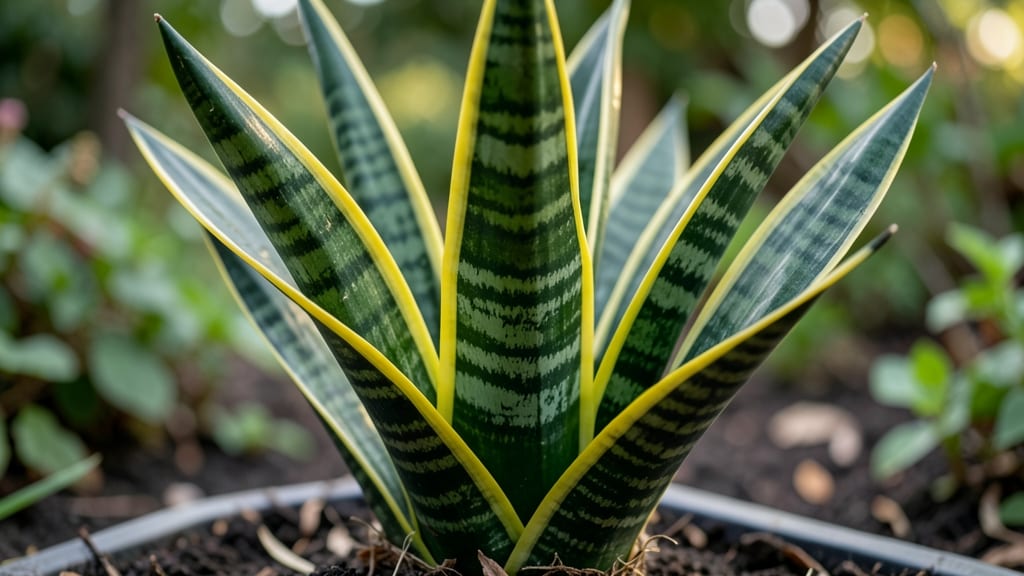
If you’ve ever wondered just how tall your snake plant 🌱 could grow, the answer might surprise you—some varieties stretch taller than you’d expect, while others stay compact and manageable.
The key lies in understanding the variety you’ve got, because a 'Mother-in-Law’s Tongue' can reach heights that’ll make your ceiling fan look like a speed bump!
Growth rates vary wildly, but most snake plants mature between 1 and 4 feet, depending on their species and care.
Whether you’re dealing with a dwarf variety or a towering standard type, light exposure, pot size, and soil quality play huge roles in how much vertical space your plant claims.
Let’s break down the exact heights you can expect—and how to keep your snake plant thriving at the perfect size for your home.
You might think these plants grow slowly, but with the right conditions, they can shoot up faster than you’d imagine. The trick? Avoid overwatering, give them enough room to stretch, and watch how they respond to your care.
I’ll share the most important tips to control their height—or let them grow wild if you prefer a jungle vibe!
From compact varieties that fit neatly on a shelf to tall giants that dominate a corner, snake plants adapt to your space. Ready to learn how to manage their growth and keep them happy? Let’s dive into the details so you can give your plant exactly what it needs.


Snake plant mature height by variety: exact growth expectations
If you're wondering "How tall do snake plants grow?", the answer depends entirely on the variety you're growing. Some stay compact and perfect for small spaces, while others can tower like indoor trees.
The most common snake plant varieties vary dramatically in height—from just 12 inches to over 6 feet when fully mature. Let's break down the exact growth expectations for the most popular types so you can plan your space accordingly.
Snake plants (genus Sansevieria) are famously low-maintenance, but their growth rates and mature heights can surprise new plant parents. Most varieties grow slowly—about 3-6 inches per year—but with the right conditions, they can reach their full potential in 3-5 years.
Understanding these growth patterns helps you choose the right variety for your home and avoid overcrowding in your collection.
Below is a detailed comparison of 12+ popular snake plant varieties, including their mature heights, growth rates, and time-to-maturity.
Whether you're looking for a compact desk plant or a statement indoor tree, this guide will help you set realistic expectations for your snake plant's future size.
| Variety | Mature Height | Growth Rate | Time to Maturity | Best For |
|---|---|---|---|---|
| Mother-in-Law's Tongue (S. trifasciata 'Laurentii') | 2-4 ft | 3-6 in/year | 3-5 years | Living rooms, offices |
| Moonshine (S. 'Moonshine') | 1.5-2.5 ft | 2-4 in/year | 2-4 years | Desks, shelves, small spaces |
| Hahnii (S. hahnii 'Bird's Nest') | 1-2 ft | 1-3 in/year | 2-3 years | Hanging baskets, terrariums |
| Futura Superba (S. 'Futura Superba') | 4-6 ft | 6-12 in/year | 5-7 years | Large rooms, conservatories |
| Black Gold (S. 'Black Gold') | 2-3 ft | 4-6 in/year | 3-4 years | Modern interiors, statement plants |
| Twisted Sister (S. 'Twisted Sister') | 2-3.5 ft | 3-5 in/year | 3-5 years | Unique foliage displays |
| Golden Hahnii (S. 'Golden Hahnii') | 1-1.5 ft | 1-2 in/year | 2-3 years | Miniature collections, terrariums |
| Cylindrica (S. cylindrica) | 3-5 ft | 5-8 in/year | 4-6 years | Outdoor borders, large pots |
| Zeylanica (S. zeylanica) | 1-2 ft | 2-4 in/year | 2-3 years | Small spaces, windowsills |
| Bantel's Sensation (S. 'Bantel's Sensation') | 2.5-3.5 ft | 4-6 in/year | 3-5 years | Dramatic foliage displays |
| Whale Fin (S. 'Whale Fin') | 3-4 ft | 5-7 in/year | 4-5 years | Large indoor spaces |
| Silver Futura (S. 'Silver Futura') | 4-5 ft | 6-10 in/year | 5-6 years | Modern, bright interiors |
The Moonshine variety is one of the most popular choices for beginners because of its compact size and golden-yellow foliage. It typically reaches 1.5-2.5 feet in height, making it perfect for desks or shelves.
In contrast, varieties like Futura Superba or Silver Futura can grow into tall indoor trees, reaching heights of 4-6 feet and requiring more space. If you're working with limited vertical space, Hahnii or Golden Hahnii are excellent choices, staying under 2 feet tall.
One common misconception is that all snake plants grow at the same rate. In reality, their growth rates can vary significantly based on light exposure, pot size, and soil quality.
For example, Futura Superba grows 6-12 inches per year under ideal conditions, while Hahnii grows much more slowly at just 1-3 inches per year. Understanding these differences helps you manage expectations and provide the right care for your specific variety.
If you're growing snake plants outdoors in USDA Zone 9 or higher, some varieties like Cylindrica
How fast do snake plants grow? Factors affecting height
Your snake plant (Sansevieria) growth rate depends on more than just time—it’s a mix of genetics, environment, and care. While some varieties grow just 6 inches per year, others can shoot up 12+ inches annually under ideal conditions.
Understanding these factors helps you steer your plant’s height toward your space’s needs.
Light exposure is the #1 growth accelerator for snake plants. Placing yours near a bright, indirect window (like a north-facing one) triggers faster vertical growth. Too little light slows growth to a crawl, while too much direct sun can scorch leaves, stunting progress. The balance is key!
- Light Exposure: Bright indirect light boosts growth by 30-50%. South-facing windows work, but use sheer curtains to prevent leaf burn.
- Pot Size: Root-bound plants grow 2x faster when repotted into containers 1-2 inches larger than their current size.
- Soil Type: Well-draining cactus/succulent mix speeds growth by preventing root rot, while heavy clay soil stunts it by 40%+.
- Seasonal Changes: Growth peaks in spring/summer (up to 12 inches/year) and nearly stops in winter (just 1-2 inches).
- Fertilizer: Balanced 5-5-5 applied every 6-8 weeks in growing season adds 10-15% height gain vs. unfertilized plants.
Pot size plays a surprising role—snake plants in cramped containers grow taller and leggier as they stretch for space. If you notice leaves reaching for the sky, it’s time to repot into a slightly larger container (just 1-2 inches wider). This encourages bushier growth and stronger stems.
Soil type affects growth too. Well-draining mixes (like cactus/succulent blends) keep roots healthy and active, while soggy soil causes root rot, halting growth. Add perlite or pumice to improve drainage if your mix feels dense. Happy roots = happy height gains!
Seasonal shifts dramatically alter growth speed. During spring and summer, your snake plant may grow 12 inches in 6 months, but winter slows everything down. Reduce watering and fertilizing in colder months to let the plant conserve energy for its next growth spurt.
Pro tip: If your snake plant’s growth feels sluggish, check these three quick fixes. Move it to brighter light, repot into fresh soil, or dust those leaves—clean foliage absorbs 20% more light!
With the right care, your snake plant could reach its mature height in just 2-3 years instead of 5.