
Plants
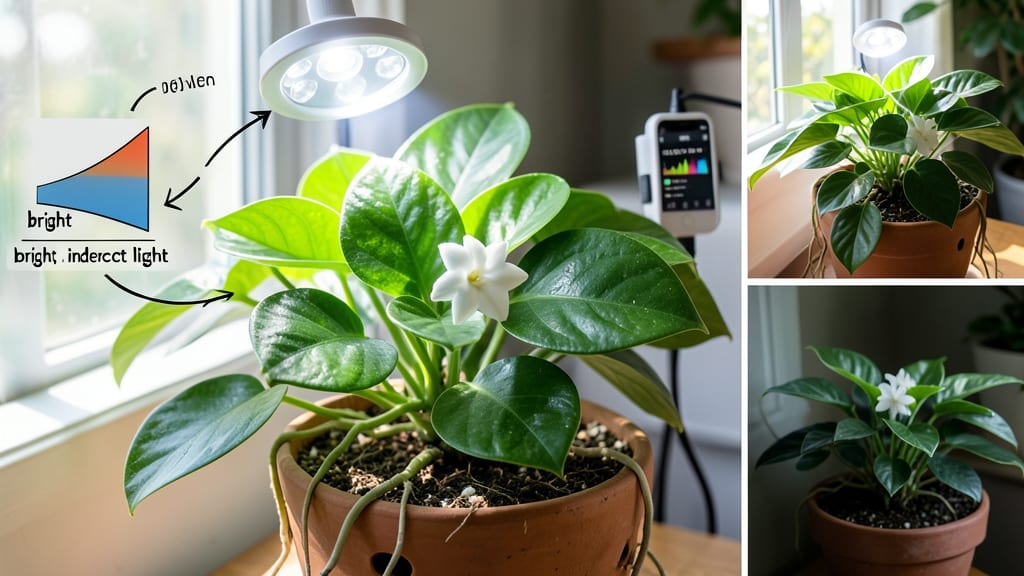
To keep your Hoya 🌿 thriving, you might be surprised by how much light does a Hoya plant need—too little and it stretches like a sleepy cat, too much and it gets crispy like overdone toast.
The sweet spot? Bright, indirect sunlight that mimics its natural jungle habitat without frying its delicate leaves.
Most Hoyas do best with 4-6 hours of gentle light daily, but here’s the catch: direct sun is a one-way ticket to leaf burn. I’ve seen beginners make this mistake, and it’s heartbreaking to watch those waxy leaves turn brown.
The key is positioning—think east-facing windows or a north window where the light is soft and diffused.
If your Hoya starts looking leggy or the leaves lose their vibrant color, it’s begging for more light. But don’t panic—artificial grow lights can save the day, especially in low-light spaces.
I’ll show you exactly how to spot the signs and adjust your setup so your plant doesn’t just survive, but flourishes with those gorgeous blooms.
Whether you’re dealing with a sun-starved corner or a window that’s too harsh, this guide will help you dial in the perfect light balance. Trust me, once you get it right, your Hoya will reward you with lush growth and maybe even those stunning flower clusters you’ve been dreaming of.

Ideal light requirements for Hoya plants: bright indirect sunlight explained
Hoya plants thrive under bright indirect sunlight, but their exact needs vary by variety. Most Hoyas—like the popular Hoya carnosa—prefer 4-6 hours of filtered light daily, while variegated types (e.g., Hoya obovata 'Variegata') need even more brightness to maintain their stunning patterns.
Direct sun can scorch leaves, while too little light leads to leggy, sparse growth and fewer blooms.
Think of Hoyas as sunbathing connoisseurs—they love light but hate the harsh midday glare. An east-facing window provides perfect morning sun without the intense afternoon heat, while north-facing windows offer gentler, all-day light. South- or west-facing spots may require sheer curtains or partial shade to protect delicate foliage.
Seasonal adjustments are key: In summer, Hoyas may need afternoon shade to prevent sunburn, while winter’s weaker light might prompt you to rotate pots for even exposure. Watch for leaf color changes—deep green with subtle red or purple hues signals ideal light, while pale or yellowing leaves scream for more brightness.
| Variety | Light Needs | Best Window Placement | Signs of Stress |
|---|---|---|---|
| Hoya carnosa | Bright indirect (4-6 hrs) | East or north-facing | Leggy growth, pale leaves |
| Hoya obovata | Bright indirect (6+ hrs) | South-facing with sheer curtain | Brown leaf tips, slow growth |
| Hoya kerrii | Low to bright indirect | North or east-facing | Stretched stems, no blooms |
| Variegated Hoyas (e.g., 'Variegata') | Very bright indirect (8+ hrs) | West-facing with filter | Lost variegation, weak color |
For Hoya carnosa, the classic "wax plant," aim for moderate brightness—think dappled shade under a tree. This variety tolerates lower light levels than its flashy cousins but still rewards you with thicker leaves and occasional blooms.
If your Hoya carnosa starts stretching toward the light like a sleepy cat, it’s begging for a sunnier spot or a grow light.
On the other hand, Hoya obovata and its variegated siblings demand more intense light to showcase their marbled leaves and vibrant blooms. Place these near a south- or west-facing window but use a light sheer curtain to diffuse harsh rays.
Without enough light, their leaves lose their striking patterns, turning dull and uniform—a heartbreaking sight for collectors!
Pro tip: Rotate your Hoya pots every 2-4 weeks to ensure even growth. Plants lean toward their light source, creating lopsided vines if left unchecked. This simple habit keeps your Hoyas compact and symmetrical, with leaves reaching for the sky on all sides.
Pair this with regular pruning to encourage bushier growth and more blooms.
If you’re unsure whether your space is too dark, try the "shadow test": Hold a piece of paper near your plant’s leaves during peak sunlight hours. If the shadow is sharp and dark, direct sun is hitting the plant—move it back.
If the shadow is fuzzy or nonexistent, you’re in the safe zone of indirect light. For extra peace of mind, invest in a light meter (under $20) to measure lux levels—ideal range for Hoyas is 1,000-3,000 lux.
In low-light conditions, supplement with a 12-hour LED grow light (full-spectrum bulbs work best). Position it 6-12 inches above the plant and keep it on a timer to mimic natural daylight cycles.
Avoid cheap cool-white LEDs, which can stress Hoyas—opt for warm-white or grow-light-specific bulbs instead. With the right light, even windowless rooms can nurture thriving Hoyas!
Remember, seasonal changes affect light intensity. During winter, when days are shorter, your Hoyas may need additional artificial light to maintain their vigor. Conversely, summer’s long days might require afternoon shade to prevent leaf scorch.
Stay flexible and observe your plant’s growth patterns—they’ll tell you exactly what they need.
With the right light, your Hoyas will reward you with glossy leaves, vigorous vines, and stunning blooms that last for weeks. Start by placing them near an east-facing window, monitor their response, and adjust as needed.
Soon, you’ll have a thriving Hoya collection that’s the envy of every plant lover!
Signs your Hoya isn’t getting the right light (and how to fix it)
Your Hoya plant might be silently screaming for help through its leaves—and you might not even notice until it's too late. Leggy vines stretching toward the window or dull, pale foliage are classic signs your plant isn’t getting the bright indirect light it craves.
Even worse, too much harsh sunlight can cause leaf burn, leaving crispy edges that ruin the waxy charm of Hoyas.
I’ve seen Hoyas thrive in my east-facing window with just 4-6 hours of morning sun, but the same plant wilts in a south-facing spot where afternoon rays turn its leaves into crispy fried plant chips.
The key is balance, and your Hoya’s growth patterns will tell you everything you need to know.
⚠️ How Much Light Does a Hoya Plant Need?
Hoyas thrive in 40-60% light intensity—think bright indirect sunlight like an east or north-facing window, 2-3 feet from the glass. Direct midday sun (especially south/west windows) can scorch leaves, while dim corners cause etiolation (stretched, weak growth). Test your spot: hold a white sheet of paper near your plant—if you can’t read text easily, it’s too dark.
Start by checking for etiolation, where your Hoya’s stems grow unusually long and thin, with small, widely spaced leaves. This happens when your plant stretches toward any available light, often in low-light conditions.
I once had a Hoya carnosa that looked like a spaghetti noodle plant—turns out, it was sitting in my bathroom’s dim corner for months. Move it to a brighter spot immediately, and you’ll see new growth fill out within weeks.
On the flip side, leaf burn is your Hoya’s way of saying, "I’m getting too much sun!" Look for brown, crispy patches on leaf edges or a bleached, papery texture. This is especially common in west or south-facing windows during peak summer hours.
My Hoya obovata developed these sunburnt spots after I moved it to my sunroom in July. The fix? Sheer curtains or a sheer screen to diffuse the light while still letting it thrive.
Even if your Hoya’s leaves look fine, lack of blooms can mean it’s not getting enough light. Hoyas need bright, consistent light to trigger flowering—without it, they’ll focus all their energy on leafy growth instead. Try rotating your plant quarter-turns weekly so all sides get even light exposure.
I’ve had Hoya kerrii (the sweetheart Hoya) refuse to bloom until I moved it to a south-facing spot with filtered light—now it flowers twice a year!
For indoor growers with limited natural light, grow lights are a game-changer. A 12-inch LED grow bulb (like a full-spectrum 6500K) placed 6-12 inches above your Hoya for 12-14 hours daily mimics ideal conditions.
I use mine on a timer to avoid light burn from 24/7 exposure. Pair this with regular rotation to prevent one-sided growth, and your Hoya will stay happy year-round.
Remember: Observation is key. Check your Hoya’s leaves weekly for color changes, growth patterns, and new buds. Adjust its spot gradually—sudden light changes can shock the plant.
With the right balance, your Hoya will reward you with glossy leaves, strong vines, and show-stopping blooms that last for weeks. 🌿