
Plants
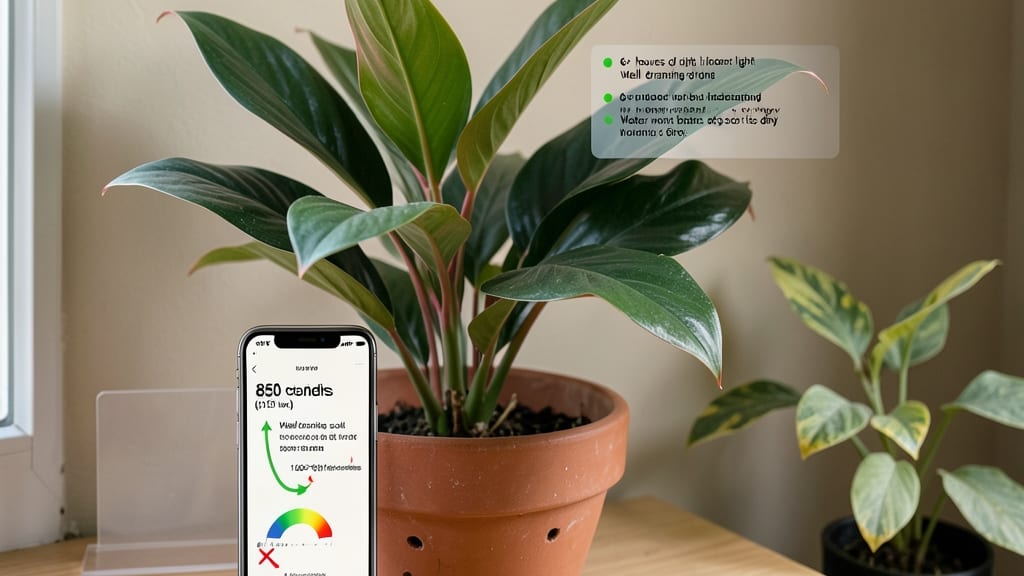
If you’re wondering how much light does a philodendron plant need, you’re probably guessing wrong about its ideal conditions. This hardy houseplant thrives on bright indirect light for just 2-4 hours daily, but most people either overdo it with harsh sunlight or underestimate its low-light tolerance.
Philodendrons are masters of adaptability, but that doesn’t mean they’re carefree. Too much direct sun scorches their delicate foliage, while too little dims their vibrancy and slows growth. The key is finding that sweet spot—whether you’re placing it near a north-facing window or supplementing with grow lights.
I’ll break down exactly how to spot over- or under-lighting (hint: check the leaf edges) and share easy fixes like rotating your plant or adjusting artificial lighting. No more guesswork—just lush, healthy growth that keeps your philodendron 🌿 happy year-round.
Ready to transform those sad, leggy stems into a thriving vine? Let’s dive into the science—and myths—behind philodendron light needs so you can keep yours flourishing without the trial and error.

Philodendron light requirements: ideal hours and intensity for healthy growth
Philodendrons thrive in low to bright indirect light, but their exact needs vary by variety. Too much direct sun causes leaf burn, while too little light leads to leggy growth and pale foliage.
Understanding these nuances ensures your plant stays vibrant and healthy year-round. Let’s break down the ideal conditions for three popular types: heartleaf, Brasil, and Xanadu, plus how to adjust for seasonal changes.
Most philodendrons prefer 2-4 hours of filtered sunlight daily, but heartleaf philodendrons are the most adaptable, tolerating as little as 1-2 hours in dim corners. Brasil and Xanadu varieties, with their bold foliage, need 3-5 hours of bright, indirect light to maintain their striking colors.
Position them near east-facing windows for gentle morning sun or west-facing windows with sheer curtains to diffuse harsh afternoon rays.
The key to success is indirect sunlight—never place your philodendron in direct midday sun, especially south- or west-facing windows. Direct exposure causes brown patches on leaves, while insufficient light results in yellowing or small, sparse leaves. Watch for these visual cues to fine-tune your plant’s lighting.
| Variety | Ideal Light Hours | Best Window Placement | Signs of Overlighting | Signs of Underlighting |
|---|---|---|---|---|
| Heartleaf | 1-2 hours | North or east window, 3-6 ft away | Brown crispy edges | Pale yellow leaves, leggy stems |
| Brasil | 3-5 hours | East or west window with sheer curtain | White/yellow burn spots | Dull, small leaves, slow growth |
| Xanadu | 3-4 hours | Bright, indirect light (e.g., 2-3 ft from east window) | Bleached leaf patches | Stretched growth, weak stems |
Seasonal adjustments are crucial, especially if your philodendron lives indoors. Winter months often mean reduced natural light, so supplement with a grow light (12-14 hours daily) if leaves start yellowing. In summer, watch for longer daylight hours—move your plant further from windows to prevent overheating.
A simple shadow test works: If your hand’s shadow is smaller than your plant’s leaves, it’s getting too much direct light.
For outdoor philodendrons, choose a shady spot under trees or a porch with dappled sunlight. Avoid full sun, which can scorch leaves within hours. If you notice new leaves emerging smaller than mature ones, it’s a clear sign of underlighting.
Conversely, sudden brown patches mean overlighting—immediately adjust by moving the plant to a shadier location or adding a sheer curtain.
Artificial lighting can save your philodendron if natural light is lacking. Use LED grow lights (6,000-6,500K color temperature) for 12-14 hours daily, keeping them 6-12 inches above the plant. Rotate the plant weekly to ensure even growth.
Avoid incandescent bulbs, which emit too much heat and can damage leaves. If using a grow light, monitor the plant closely—overlighting symptoms appear faster than with natural light.
Myth-busting: Many gardeners assume more light is always better, but philodendrons are understory plants native to shady forest floors. Their leaves evolved to thrive in low light, not bask in sunlight.
Overlighting is far more common than underlighting, so err on the side of caution and start with less light, adjusting gradually if growth stalls. A healthy philodendron should have deep green leaves, vigorous vines, and no visible stress marks.
Pro tip: Rotate your philodendron quarter-turns every 2-3 weeks to ensure even light exposure on all sides. This prevents lopsided growth and helps the plant maximize its light intake. Pair this with regular misting (especially in dry climates) to mimic the humid conditions of their natural habitat.
With the right light balance, your philodendron will reward you with lush, glossy foliage for years to come.
Remember, light is just one piece of the puzzle—pair it with proper watering (let the top inch of soil dry out between waterings) and well-draining soil (a mix of potting soil and perlite) for the best results.
When in doubt, observe your plant’s leaves—they’re the best barometer of its light needs.
How to adjust light for different philodendron varieties (with visual cues)
Not all philodendrons thrive under the same light conditions—some love bright indirect light while others struggle with too much sun. Heartleaf philodendrons tolerate low-light offices, but Brasil varieties crave medium indirect light to show off their vibrant leaves.
Let’s break down the exact light needs for 5 popular types so you can match your setup to your plant’s personality.
First, test your space with the shadow test: Place a small object (like a pencil) near your plant’s usual spot. If the shadow is crisp and dark, it’s direct sunlight—too harsh.
If it’s soft and blurry, you’ve got perfect indirect light. Most philodendrons need 12-16 hours of filtered light daily, but varieties like Philodendron Pink Princess need even gentler conditions.
| Variety | Ideal Light | Leaf Color | Growth Speed | DIY Fix |
|---|---|---|---|---|
| Heartleaf | Low to medium indirect | Deep green | Slow to moderate | Move 3-5 ft from east/west window |
| Brasil | Bright indirect (500-1,000 ft-candles) | Red/purple undersides | Fast (3-5 ft/year) | Use sheer curtain on south window |
| Xanadu | Medium indirect (1,000-2,000 ft-candles) | Variegated (cream/green) | Moderate (2-3 ft/year) | Rotate quarterly for even growth |
| Pink Princess | Low indirect (200-500 ft-candles) | Pink/white variegation | Slow (1-2 ft/year) | Avoid direct sun—use grow light 8 hrs/day |
| Hope | Medium to bright indirect | Glossy green | Fast (4-6 ft/year) | Prune yellow leaves to boost air flow |
Watch for leaf color shifts to gauge success: Brasil philodendrons deepen to burgundy in perfect light, while Pink Princess variegation fades if too dark. For slow growers like Xanadu, supplement with a 12-hour LED grow light (6,500K) during winter’s short days.
Place it 12-18 inches above the plant for even coverage.
Pro tip: Rotate your philodendron every 2-4 weeks to prevent one-sided growth. Turn it 90 degrees so all leaves get equal access to light. This is especially critical for vining varieties like Hope, which can become lopsided without rotation.
Pair this with weekly misting to mimic humid jungle conditions—most philodendrons thrive at 50-70% humidity.
If your philodendron’s leaves develop brown crispy edges, it’s getting too much direct sun. Move it further from the window or add a white sheer curtain to diffuse harsh rays.
For pale, leggy growth, it needs more light—try a south-facing window with a light filter or upgrade to a full-spectrum bulb.
Remember: Philodendrons are adaptable, but sudden light changes can shock them. Adjust conditions gradually over 1-2 weeks. For example, if moving a Heartleaf from a dim corner to a bright room, start with 2 hours of morning sun and increase by 1 hour daily.