
How To
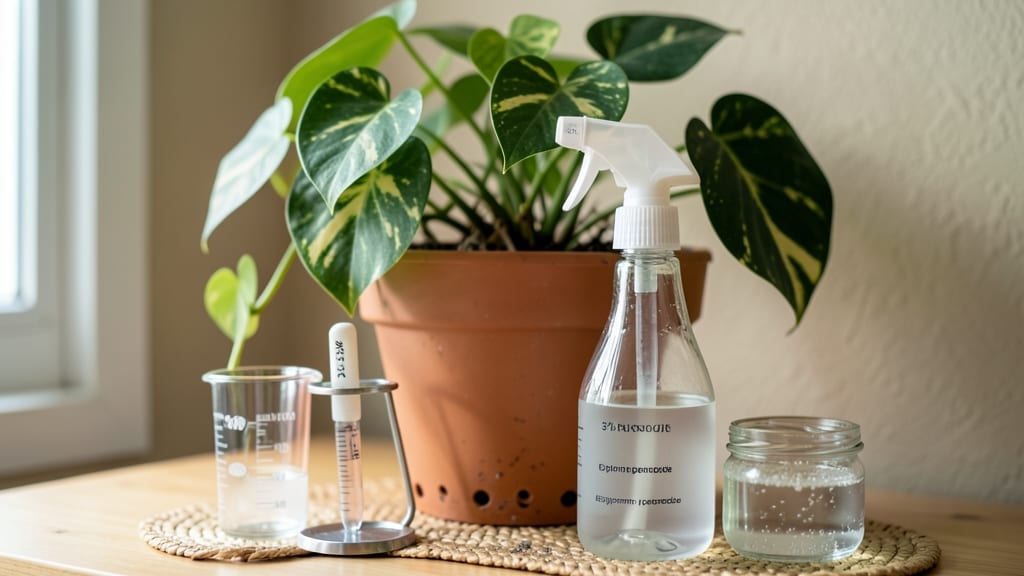
Wondering how much hydrogen peroxide in the plant water can transform your gardening routine? Just a few drops can make all the difference—but get the dilution wrong, and you might do more harm than good.
Most gardeners swear by hydrogen peroxide as a natural disinfectant and oxygen booster for roots, yet 3% concentration is the gold standard for safe use. The key lies in the ratio: too strong, and you risk burning delicate foliage; too weak, and it won’t fight fungus or pests effectively.
Let’s break down the exact measurements and application tips to keep your plants thriving without the guesswork.
From treating stubborn fungal infections to giving your soil a sanitizing boost, hydrogen peroxide is a gardener’s secret weapon.
But before you pour it into your watering can, you’ll want to know the precise dilution ratios that work for different plant types—whether you’re dealing with wilting leaves or a sudden aphid invasion.
I’ll walk you through the step-by-step process, including how often to apply it and which plants benefit most. By the end, you’ll have a foolproof method to use this powerhouse safely—so your 🌱 friends stay healthy and happy all season long.
Safe hydrogen peroxide dilution ratios for plant watering: expert-approved mixes
Hydrogen peroxide isn't just for disinfecting cuts—it's a powerful plant health booster when used correctly. The key lies in precise dilution, as too much can damage roots and leaves. For most plants, a 1% solution is ideal for watering, but some situations call for stronger mixes.
Let's break down the science-backed ratios that work for root oxygenation, fungal prevention, and pest control without harming your garden.
Many gardeners mistakenly assume higher concentrations mean better results, but 3% hydrogen peroxide straight from the bottle can burn plant tissues and disrupt beneficial microbes. The good news? Even a 1 tablespoon per gallon mix (about 0.3% concentration) can improve soil aeration and deter pathogens.
Always use food-grade hydrogen peroxide labeled for plants—never the 3% first-aid variety, which contains stabilizers that harm soil life.
Here's where the magic happens: different plant types and conditions require specific dilution ratios. Seedlings and sensitive plants like orchids or succulents thrive with 0.3% solutions, while hardy vegetables like tomatoes or peppers can handle up to 3 tablespoons per gallon (1%) for soil drenches.
The summary table below shows expert-approved mixes for common scenarios, including root zone treatments and foliar sprays.
| Use Case | Dilution Ratio | Plant Types | Frequency | Notes |
|---|---|---|---|---|
| Root Zone Oxygenation | 1 tbsp per gallon (0.3%) | All plants (seedlings, perennials, veggies) | Every 2-4 weeks | Safe for weekly use in well-draining soil |
| Fungal Prevention | 2 tbsp per gallon (0.6%) | Tomatoes, peppers, roses | Every 7-10 days | Apply at soil level, avoid wet foliage |
| Pest Deterrent (Aphids/Mites) | 3 tbsp per gallon (1%) | Herbs, citrus, houseplants | Every 14 days | Use as foliar spray at dawn |
| Seed Soaking | 1 tsp per quart (0.1%) | All seeds (veggies, flowers) | Single treatment | Soak 10-15 minutes, rinse before planting |
| Soil Sterilization | 1 cup per gallon (3%) | Potting mixes, hydroponics | One-time treatment | Use immediately, don't store |
For root health, the 1 tbsp per gallon (0.3%) mix is my go-to for weekly watering. This low concentration mimics natural oxygen release in soil, preventing anaerobic conditions that lead to root rot.
I've seen tomato plants double their yield when given this treatment every two weeks during flowering. The oxygen bubbles also disrupt fungal spores like Phytophthora, making it a preventative powerhouse.
When treating foliar diseases such as powdery mildew, I switch to a 2 tbsp per gallon (0.6%) solution. The key here is targeted application: spray only the undersides of leaves where pathogens hide.
Always apply in the early morning so foliage dries quickly, preventing leaf burn. Avoid spraying flowers or edible parts, as hydrogen peroxide can leave a residue.
One common mistake is assuming higher concentrations equal faster results. While a 3% solution might seem stronger, it can oxidize beneficial microbes in the soil, creating an imbalance.
For pest control, I limit the 3 tbsp per gallon (1%) mix to herbs and citrus, which have tougher leaf cuticles. Even then, I never exceed monthly applications to avoid nutrient leaching from the soil.
Sensitive plants like orchids, ferns, and calatheas require extra caution. These tropical varieties can't handle anything stronger than 1 tsp per gallon (0.1%). I've successfully used this dilution for soaking orchid roots during repotting, which helps prevent root rot while maintaining their delicate balance.
Always monitor for yellowing leaves—a sign of overapplication.
Frequency matters just as much as concentration. For ongoing root health, I stick to bi-weekly applications of the 0.3% solution during active growth. When tackling active infections, I increase to weekly treatments for 2-3 weeks, then taper off.
This pulse treatment approach gives plants time to recover while keeping pathogens at bay.
Pro tip: Test your soil first. If your garden soil is already rich in
How to use hydrogen peroxide for pests and fungus: step-by-step application guide
Hydrogen peroxide is a powerful natural fungicide and insecticide that can eliminate powdery mildew, root rot, and control aphids or spider mites without harsh chemicals. When used correctly, it oxygenates soil and boosts root health while being eco-friendly and safe for edibles when diluted properly.
The key lies in precision application—too strong, and you risk leaf burn or root damage.
For most foliar sprays and soil drenches, a 3% hydrogen peroxide solution is ideal, but never use it straight from the bottle. The active ingredient breaks down quickly, so fresh mixes work best.
Always test a small leaf first to check for sensitivity, especially with delicate plants like tomatoes or peppers. Timing matters too—apply in the early morning or late afternoon to prevent sunburn on treated foliage.
- Step 1: Dilute Properly
- For foliar sprays: Mix 1 tablespoon (15ml) of 3% hydrogen peroxide per 1 gallon (3.8L) of water (≈ 0.3% solution).
- For soil drenches: Use ½ tablespoon (7.5ml) per gallon (3.8L) (≈ 0.15% solution) to avoid root damage.
- For seed soaking: 1 teaspoon (5ml) per quart (0.95L) for 5-10 minutes max.
- Step 2: Apply Correctly
- Foliar spray: Use a sprayer bottle with a fine mist and apply underside of leaves (where pests/fungi hide). Avoid direct sunlight for 24 hours.
- Soil drench: Water slowly to the soil line, not the leaves. Best for root rot or fungal soil issues.
- Pruning tool sterilization: Soak tools in 3% solution for 10 minutes between cuts.
- Step 3: Frequency & Safety
- Reapply every 7-14 days for pests/fungi (max 4 times per season).
- Never use on drought-stressed or wilted plants—wait until recovered.
- Store solution in a dark, cool place and use within 24 hours.
When treating powdery mildew on plants like roses or cucumbers, focus on the undersides of leaves where spores thrive.
For aphid infestations, spray directly on clusters until glistening wet, then rinse with water after 30 minutes. Root rot sufferers benefit most from soil drenches, especially in overwatered containers or compacted garden beds. Always water thoroughly after application to rinse off residue.
Safety is critical—never exceed 3% concentration, and avoid mixing with vinegar or bleach, which creates toxic gases. Wear gloves and eye protection when handling, and keep pets/kids away until the solution dries.
If your plants show yellowing leaves or brown spots within 48 hours, flush the soil with plain water immediately. Overapplication is the #1 cause of damage, so start with half the dose if your plants are sensitive.
For preventative care, add 1 teaspoon of 3% H₂O₂ per gallon of water to your regular watering routine once a month during peak pest seasons (spring/fall). This oxygenates the soil and discourages fungal growth without harming beneficial microbes.
Pair it with neem oil or insecticidal soap for tougher infestations, but always space applications by 24 hours to avoid chemical interactions.
Hydrogen peroxide is a versatile, budget-friendly tool for gardeners, but its power comes with responsibility. When used correctly and consistently, it can transform struggling plants and keep pests at bay—just remember: dilution is non-negotiable, and patience is key.
Start small, observe results, and adjust your approach based on your plants' responses. Your garden will thank you! 🌿