
Plants
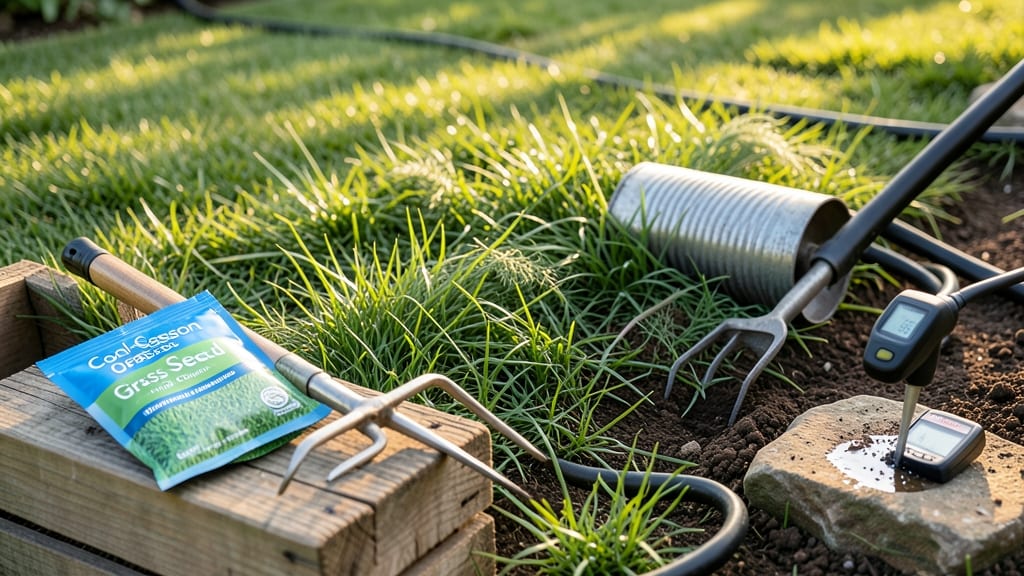
Planting grass seed in Oregon at the wrong time can mean the difference between a lush, green lawn and weeks of frustration waiting for sprouts that never come.
The best time to plant depends entirely on where you live—whether you're battling coastal fog in Astoria or battling high-desert heat in Bend.
Most gardeners in USDA zones 7b-9a (which covers most of Oregon) aim for early spring or early fall, but those windows shift dramatically depending on your microclimate.
Coastal areas like the Willamette Valley can start as early as March, while Eastern Oregon’s high desert waits until April or May to avoid summer’s scorching sun.
If you’ve ever stared at a patchy lawn wondering what went wrong, you’re not alone. The key isn’t just picking a month—it’s checking soil temperature, rainfall patterns, and even the type of grass you’re planting.
Cool-season grasses like fescue thrive in Oregon’s mild springs, while warm-season varieties need the heat of summer to germinate.
Let’s break down exactly when to plant in your corner of Oregon, plus the critical steps to ensure your grass seed takes root fast and grows strong. Ready to transform that bare soil into a vibrant lawn? Let’s get started.
Oregon’s grass planting zones: when to plant by region (coastal vs high desert)
Oregon’s three distinct climate zones—coastal, Willamette Valley, and high desert—create wildly different grass planting windows.
In coastal areas like Astoria or Cannon Beach, persistent fog and cooler temperatures delay ideal planting until late March or April, while high-desert regions like Bend or La Grande can start as early as mid-February when soil warms.
The key? Soil temperature must stay above 50°F (10°C) for 5–7 consecutive days before planting.
For Western Oregon (including Portland and Eugene), aim for early spring (March–April) or early fall (September–October). The Willamette Valley’s mild winters allow for a slightly extended window, but coastal fog can push back germination by 1–2 weeks.
Meanwhile, Eastern Oregon’s high desert experiences rapid temperature swings, making late winter (February–March) the safest bet to avoid summer heat stress.
Here’s how each zone stacks up for optimal grass seed planting, including soil prep tips and microclimate adjustments to avoid common pitfalls like uneven germination or seedling burnout.
| Zone | Best Planting Window | Soil Temp Threshold | Key Microclimate Factor | Soil Prep Tip |
|---|---|---|---|---|
| Western Oregon (Coastal) | Late March–April or September–October | 50–55°F (10–13°C) | Coastal fog delays germination | Aerate compacted soil; add compost to improve drainage |
| Willamette Valley | Early March–April or August–September | 50–58°F (10–14°C) | Mild winters, moderate rainfall | Test for clay soil; amend with sand if needed |
| High Desert (Eastern Oregon) | Mid-February–March or September | 55–60°F (13–16°C) | Rapid temperature swings | Mulch heavily to retain moisture; avoid overwatering |
In Western Oregon, where coastal fog lingers into spring, I recommend waiting until after April 15 to plant. The cooler soil temperatures and high humidity can cause seed rot if planted too early.
Use a soil thermometer to confirm 50°F (10°C) for 5 days straight—this is your green light. For shady spots, opt for fine fescue blends, which tolerate 3–6 hours of sun better than Kentucky bluegrass.
For Eastern Oregon’s high desert, the dry heat of summer makes fall planting (September) a smarter choice than spring. The soil warms quickly in February–March, but wind and drought can stress seedlings.
I’ve seen success with tall fescue mixes in these areas because they establish deeper roots faster. Always water deeply at dusk to reduce evaporation and mulch with straw to lock in moisture.
One critical mistake I see in all regions? Planting warm-season grasses (like Bermuda) in Oregon’s cool climate. These need consistent 80°F+ soil, which only happens in summer months—but by then, weeds take over before your grass gets established.
Stick to cool-season grasses like Kentucky bluegrass, tall fescue, or perennial ryegrass for year-round success.
Pro tip: If you’re in transition zones (like the Cascade foothills), split your planting into two batches. Sow 50% in early spring and the rest in late summer (August) to account for microclimate shifts.
This two-phase approach ensures uniform coverage even if one batch struggles with unpredictable weather.
Finally, don’t overlook post-planting care. In coastal areas, reduce watering slightly if rain is forecasted—overwatering is just as harmful as underwatering. In the high desert, water in the morning to prevent fungal diseases from evening moisture.
With the right timing and adjustments, you’ll have a lush, even lawn in 6–8 weeks, no matter where you live in Oregon.
5 Critical factors that determine your perfect planting window in Oregon
Getting your grass seed timing right in Oregon isn’t just about picking a month—it’s about reading your local microclimate. Coastal areas stay damp and cool longer, while high-desert regions can bake by noon.
Even within the Willamette Valley, elevation shifts ideal planting by 2–4 weeks. These factors interact to create your perfect planting window, and ignoring them means risking weak germination or wasted seed.
Let’s break down the 5 critical factors that dictate when you should plant. Each one shifts your ideal window by weeks, and missing even one can turn your lawn dreams into a patchy disappointment. The good news? Simple tests—like a 6-inch soil temperature check—can save you from costly mistakes.
📌 Your Oregon Grass Planting Checklist
- 1. Soil Temperature: Wait until soil reaches 50–55°F (use a 6-inch hole test—stick your hand in; if it’s chilly, wait).
- 2. Rainfall Patterns: Coastal areas plant in March–April (natural moisture), while Eastern Oregon needs September–October (avoid summer drought).
- 3. Elevation Adjustments: High desert (e.g., Bend) plants 2 weeks earlier than Portland due to faster warming.
- 4. Grass Seed Type: Cool-season grasses (Kentucky bluegrass) thrive in spring/fall; warm-season (Bermuda) only work in southern Oregon.
- 5. Frost Risk: Plant 4–6 weeks before first frost (coastal: Nov 15; high desert: Oct 15) for root establishment.
Pro Tip: Use a soil thermometer—if temps dip below 40°F, germination halts. 🌱
Your soil temperature is the first clue. Grass seeds need consistent warmth to sprout, but not so hot that they dry out. Dig a 6-inch hole and check with your finger—if it feels cooler than your wrist, wait.
Coastal Oregon often hits 50°F by late March, while the Columbia Gorge may need to wait until mid-April.
Next, rainfall patterns shift your window dramatically. The Willamette Valley gets reliable spring rains, making March–April ideal. But in Eastern Oregon, summer drought means you’ll plant in early fall (September) to avoid stressing seedlings. Even a 1-inch rain delay can turn your freshly seeded lawn into a dust bowl.
Don’t overlook elevation. A 1,000-foot climb can push your planting window back by 2 weeks. For example, Bend’s high desert (4,400 ft) warms faster than Portland’s valley (200 ft), so Bend gardeners plant 2 weeks earlier.
Use your local USDA zone (7b–9a in Oregon) as a baseline, then adjust upward for higher elevations.
Choosing the wrong grass seed type is another common mistake. Oregon’s cool-season climate favors Kentucky bluegrass and fescue, which thrive in spring/fall. Warm-season grasses like Bermuda only work in southern Oregon’s Zone 9a (e.g., Medford). Planting the wrong type in summer heat guarantees failure—seeds bake before sprouting.
Finally, frost risk is the silent killer of new lawns. Seedlings need 4–6 weeks of frost-free growth to establish roots. Coastal Oregon’s November 15 frost date means your last planting window is early September, while Eastern Oregon’s October 15 frost allows until mid-September.
Miss this, and your grass will yellow or die back before winter.