
Plants
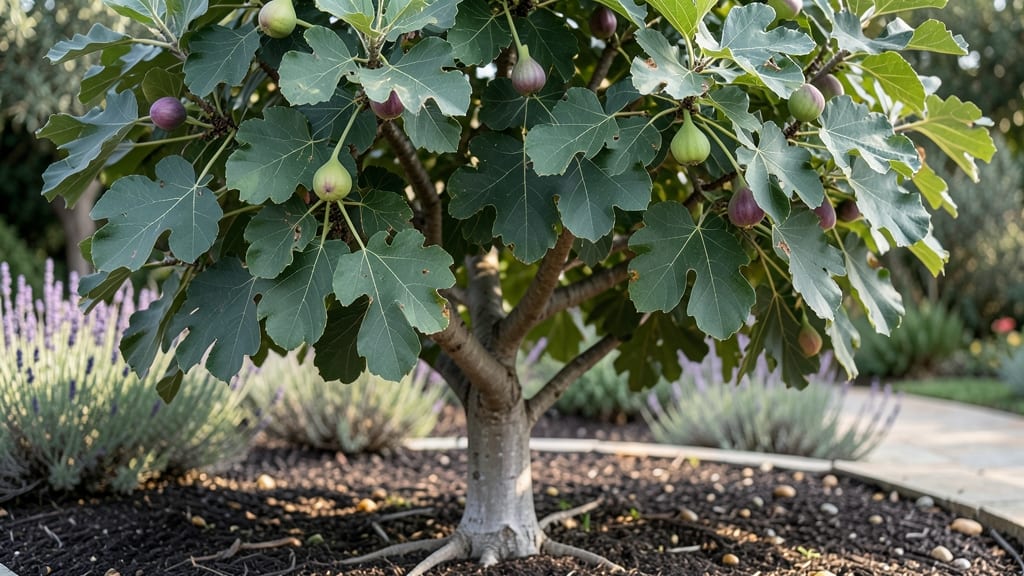
How much light does a fig plant need? They might look tough, but they’re actually picky about sunlight—get it wrong, and you’ll end up with sad, weak leaves or crispy, sunburned foliage.
The right amount of light is the key to keeping your 🍈 thriving, whether you’re growing it in a pot on your patio or in the ground.
Most figs crave 6 to 8 hours of direct sun daily, but here’s the catch: too much scorching heat can damage them, especially in hot climates like Zone 6.
I’ll show you how to balance sunlight for lush growth, whether your plant is basking in full sun or struggling in partial shade.
You’ll also learn how to spot signs of light trouble—yellowing leaves mean not enough sun, while brown edges scream “too much!”—and how to adjust as seasons change. No more guessing games, just a foolproof way to keep your fig plant happy and productive.
Ready to master the art of sunlight? Let’s dive into the secrets that’ll turn your 🍈 from struggling to spectacular in no time.

Ideal sunlight requirements for fig plants: hours and intensity explained
Figs are sun-worshippers at heart, craving 6-8 hours of direct sunlight daily for peak performance. Without enough light, your plant will struggle to produce fruit and may develop weak, leggy growth.
But here's the catch: too much harsh afternoon sun can scorch delicate leaves, especially in hot climates. The key is finding that golden middle ground where your fig thrives without burning out.
Container-grown figs need even more vigilance since they can't access deep soil moisture. In-ground plants have better heat tolerance, but both types benefit from morning sun exposure when temperatures are cooler.
I've learned this the hard way—my first fig plant nearly died from too much afternoon heat until I moved it to a partially shaded spot during peak summer hours.
Direct sunlight (full sun) is ideal for fruit production, but filtered or indirect light works for leafy growth. The difference? Direct light gives you sweet, plump figs, while indirect light keeps leaves lush but may reduce fruiting. For container growers, this means placing plants near south-facing windows or using reflective surfaces to maximize light penetration.
| Fig Type | Sunlight Needs | Best Placement | Seasonal Adjustments |
|---|---|---|---|
| Standard Varieties (e.g., Brown Turkey) | 6-8+ hours direct | South/southwest exposure | Afternoon shade in summer |
| Dwarf Varieties (e.g., Little Miss Figgy) | 4-6 hours direct | East/west windows or patio | Can handle partial shade |
| Container-Grown Figs | 6+ hours (direct or indirect) | Balcony/deck with afternoon shade | Rotate pots for even growth |
| Indoor Figs (Year-Round) | 4-6 hours bright indirect | South-facing window | Supplement with grow lights |
Recognizing light deficiency in figs is easier than you think. Watch for yellowing leaves starting from the bottom, which signals the plant isn't getting enough light. Another red flag is slow growth—if your fig isn't putting out new leaves or branches, it's starving for sunlight.
In extreme cases, stems may become stretched and weak, a classic sign of "leggy" growth from insufficient light.
On the flip side, over-exposure shows up as crispy, brown edges on leaves or a sudden leaf drop during hot afternoons. My neighbor's fig tree suffered this until she installed a simple shade cloth that filters about 30% of sunlight.
This small change saved her plant during our brutal summer heatwaves while still allowing plenty of light for fruiting.
Seasonal adjustments are crucial, especially if you're growing figs in USDA Zones 6-9. During summer, provide afternoon shade to prevent heat stress. In winter, if your fig is in a container, move it to a sunny indoor spot near a south-facing window.
Even just 4-6 hours of winter sunlight helps maintain plant health until spring growth resumes.
For container growers, pot size matters. Small pots dry out faster and can't store enough moisture to protect roots from intense sunlight. I recommend using at least 15-gallon containers for dwarf varieties and upgrading to 25+ gallons for standard figs.
Larger pots also give you more flexibility to move plants when sunlight conditions change.
Pro tip: Use a light meter or observe your fig's leaves to gauge sunlight intensity. If leaves are consistently pale green, your plant needs more light. If they're dark green with crispy edges, it's getting too much direct sun.
The perfect balance is when leaves stay a vibrant medium green with no signs of stress.
Remember that figs are Mediterranean natives, so they love bright conditions but can handle some afternoon shade in hot climates. By matching your fig's variety to its sunlight needs and making seasonal adjustments, you'll set it up for years of abundant fruit production and lush foliage. 🌿🍈
How to adjust light exposure for different fig plant growth stages
Fig plants are sun-worshippers, but their light needs change dramatically from seedling to fruiting stage. As a gardener, I’ve learned that overlooking these shifts can stunt growth or even kill your plant.
Young figs need gentle indirect light, while mature plants crave full sun exposure—and during fruiting, every extra hour counts. Let’s break down how to adjust light for each phase without burning your leaves.
One of my biggest mistakes was keeping a seedling fig in direct afternoon sun—it crisped up within days. The key is gradual acclimation. Start seedlings near a bright, east-facing window or under grow lights for 12-14 hours daily.
Mature plants, on the other hand, need 6-8+ hours of direct sun, but even they benefit from afternoon shade in scorching climates like USDA Zone 9.
🌱 Fig Plant Light Adjustments by Growth Stage
- Seedlings (0-6 months): 12-14 hrs indirect light or grow lights 6" above. Use sheer curtains to diffuse harsh rays.
- Vegetative Stage (6-12 months): Gradually introduce 4-6 hrs direct sun. Rotate pot weekly for even growth.
- Mature Plants (1+ years): 6-8+ hrs full sun. Provide afternoon shade in Zone 9+ to prevent leaf scorch.
- Fruiting Stage: Maximize sunlight (8+ hrs). Use reflective surfaces (white walls, mirrors) to boost light.
- Winter Dormancy: Reduce light to 4-6 hrs/day indoors. Place near south-facing windows for natural light.
For indoor growers, grow lights are a game-changer. I use a full-spectrum LED on a timer for my container figs—14 hours on, 10 off. Position lights 12-18 inches above the plant and adjust as it grows. Reflective materials like aluminum foil behind pots can also increase light efficiency by 20-30%.
Pro tip: Wipe leaves monthly to remove dust, which blocks up to 50% of light absorption.
During summer’s peak intensity, even outdoor figs need protection. I’ve seen browned leaf edges appear within hours of unfiltered afternoon sun.
Try 30-50% shade cloth or move potted figs to partial shade between 12-4 PM. Container growers have the advantage of mobility—simply rotate pots to follow the sun’s arc for even canopy growth.
Winter brings its own challenges. If your fig is indoors, supplement natural light with CFL bulbs (6500K color temp) placed 12 inches away. Avoid cool white LEDs—they emit too little red spectrum for photosynthesis.
I also group plants together to create a microclimate that retains warmth and humidity, mimicking outdoor conditions.
Remember, figs are opportunistic growers. If you miss a day of light, they’ll stretch toward any available source. But consistency is key—irregular light exposure leads to weak stems and poor fruiting.
Start with these adjustments, and your fig will reward you with juicy, sweet fruit all season long. 🍈