
Plants
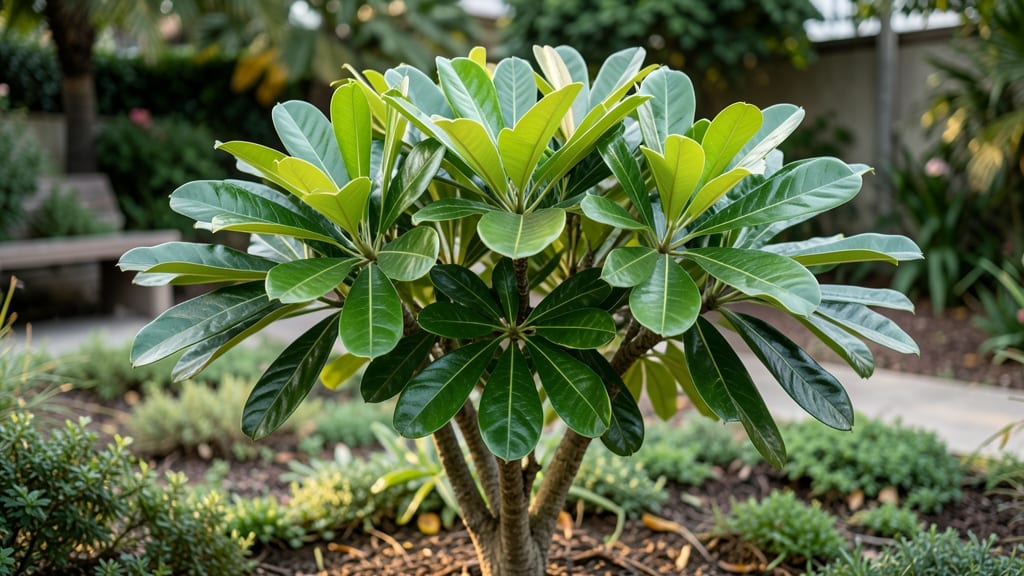
To keep your Umbrella Plant 🌿 thriving, you might be surprised to learn that light needs are more nuanced than you think—too little and it stretches awkwardly, too much and the leaves burn. This tropical beauty actually prefers bright, indirect light, but most people get the balance wrong.
The ideal setup mimics its natural habitat: 4-6 hours of filtered sunlight daily, like an east-facing window where the morning light is gentle. Direct afternoon sun will scorch those delicate leaves faster than you can say "leaf drop," so positioning matters.
If your Umbrella Plant starts looking leggy or its leaves fade, it’s begging for better lighting. I’ll show you exactly how to spot these signs and adjust your care routine—without overcomplicating things. Let’s get your plant back to its vibrant best.
Whether you’re dealing with a dim corner or a sun-soaked room, these simple tweaks will make all the difference. Ready to transform your plant’s health in just a few steps?

Umbrella plant light requirements: the ideal spectrum for vibrant growth
Your Aphelandra squarrosa—commonly called the umbrella plant—is a tropical beauty that thrives under specific light conditions. Unlike sun-loving succulents, this plant demands bright indirect light to prevent stress, yellowing, or even death. Understanding its light spectrum needs is the key to keeping its striking red-and-green foliage vibrant year-round.
Direct sunlight acts like a death sentence for umbrella plants. Their delicate leaves burn easily under harsh rays, causing brown patches and crispy edges. Instead, think of their native habitat: shaded rainforests where sunlight filters through canopies. Mimicking this environment indoors or outdoors ensures your plant grows lush and full.
Bright indirect light is the sweet spot for umbrella plants. This means placing them near east-facing windows or a few feet back from south-facing windows. A north-facing window may leave them light-starved, while a west-facing window risks too much afternoon sun. Let’s break down the exact light spectrum your plant craves.
| Light Condition | Ideal Location | Signs of Correct Light |
|---|---|---|
| Low Light (Under 30%) | Far from windows, dim corners | Leggy growth, sparse leaves |
| Medium Light (30-50%) | 2-3 feet from east window | Slow growth, pale foliage |
| Bright Indirect (50-70%) | East or north window, 1-2 feet back | Vibrant red-green leaves, compact growth |
| Direct Sunlight (Over 70%) | South/west windows, no filter | Brown leaf tips, crispy edges |
| Artificial Grow Lights | 12-14 inches under LED bulbs | Healthy growth, no stress |
If your umbrella plant is placed in low-light conditions, you’ll notice stretched stems and sparse leaves as it reaches for sunlight. This is its survival mechanism, but it weakens the plant over time.
To fix this, move it closer to a bright window or supplement with a grow light. Aim for 4-6 hours of indirect light daily to keep it thriving.
For outdoor placement, umbrella plants can tolerate partial shade in USDA Zone 10-11. However, avoid placing them in full sun during peak hours (10 AM–4 PM).
Instead, position them under dappled shade, like near a tree with sparse branches. This mimics their natural habitat and prevents leaf scorch.
One common mistake is assuming all houseplants need direct sun. Umbrella plants are the opposite—they reject harsh sunlight like a cactus would reject frost. If you notice yellowing leaves or white patches, it’s a clear sign of sunburn.
Immediately move the plant to a shadier spot and monitor for recovery.
To test if your current spot is ideal, observe your plant’s leaves for 3-5 days. Healthy foliage should maintain its deep red and green hues.
If the red fades or leaves droop, it’s time to adjust. Remember, umbrella plants are low-maintenance but light-sensitive, so finding the right balance is crucial.
For winter months, when natural light diminishes, consider rotating your plant every 2-3 weeks to ensure even growth. If your home lacks sufficient light, a full-spectrum LED grow light can bridge the gap.
Place it 12-18 inches above the plant and keep it on for 12-14 hours daily to mimic daylight.
Pro tip: Use a light meter (or your phone’s lux app) to measure light levels. Aim for 1,000-3,000 lux of indirect light. This range ensures your umbrella plant stays lush, vibrant, and disease-free.
With the right light, your plant will reward you with bold foliage and a compact, bushy shape.
Signs your umbrella plant isn’t getting enough (or too much) light
Your umbrella plant (Aphelandra squarrosa) is sending you visual SOS signals if it’s not getting the right amount of light. The most common red flags include yellowing leaves and leggy, stretched growth, which mean it’s craving more brightness.
On the flip side, brown leaf tips or sunburned patches signal too much harsh light. These symptoms aren’t just cosmetic—they directly impact your plant’s health and growth potential.
First, let’s clarify what bright indirect light truly means. Unlike direct sunlight, which can scorch your plant, bright indirect light mimics the dappled shade of a tropical forest understory. This is the ideal spectrum for your umbrella plant, where it gets enough light to photosynthesize without risking damage.
Without this balance, your plant will struggle to produce its signature vibrant foliage and may even stop blooming entirely.
Too little light: Leaves turn pale yellow, stems stretch unusually long (leggy growth), and new leaves are smaller than normal. Your plant may also drop leaves to conserve energy.
Too much light: Leaf edges brown and crisp, white or yellow sunburn spots appear, and growth slows as the plant wilts in heat.
Fix it fast: Move your plant to a 2-3 ft east-facing window or use a sheer curtain to diffuse harsh afternoon sun. Rotate the pot quarter-turn weekly for even growth.
If your umbrella plant’s leaves are yellowing, especially starting from the bottom, it’s likely underwatered or starved for light. The yellowing occurs as the plant sheds old leaves to focus energy on survival.
To revive it, trim the leggy stems just above a leaf node to encourage bushier growth. Then, place it near a south- or east-facing window where it can receive 4-6 hours of bright indirect light daily.
On the opposite end, if your plant’s leaves are developing crispy brown edges or bleached white patches, it’s suffering from light burn. This often happens when placed near west-facing windows or under direct afternoon sun.
Move it to a spot with filtered light or use a light sheer curtain to reduce intensity. Avoid placing it directly on windowsills, where temperatures can fluctuate and cause additional stress.
Another telltale sign of light imbalance is when your umbrella plant’s new leaves emerge smaller than usual. This is a growth stunting response to insufficient light, as the plant conserves energy.
To correct this, consider supplementing natural light with a grow light (12-14 hours daily) during winter months when daylight is scarce. Position the light 12-18 inches above the plant to mimic natural brightness.
Finally, pay attention to your plant’s blooming habits. Umbrella plants produce showy red or orange bracts when they’re happy, but lack of light can prevent blooming entirely. If your plant isn’t flowering, it’s likely not getting enough bright indirect light.
Try rotating the pot to expose all sides evenly and avoid placing it in dim corners or behind other plants that might block light.