
Plants
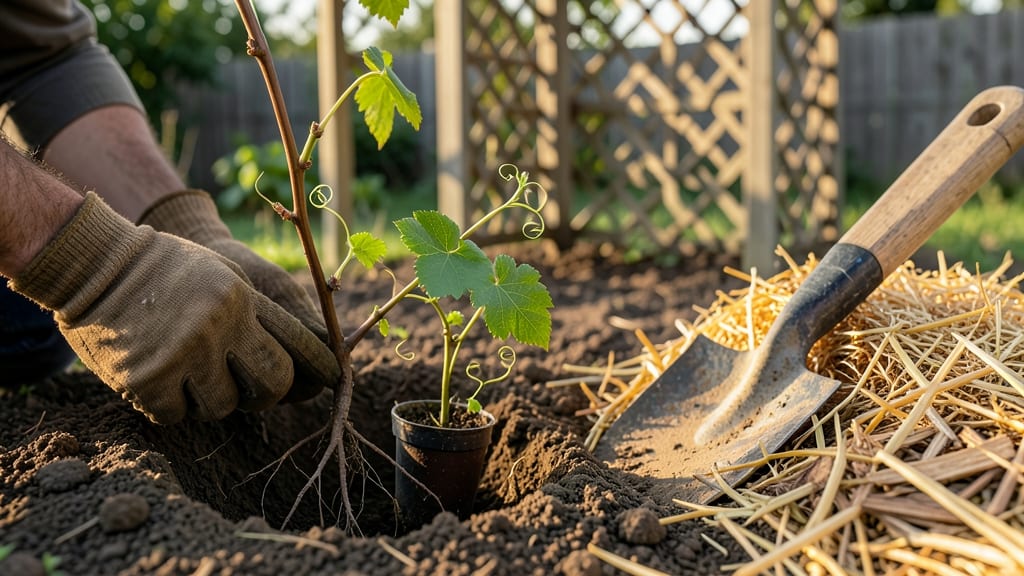
Planting grapes in Indiana at the wrong time means waiting years for a harvest—or worse, losing your vines to frost before they even establish.
The key to success lies in matching your grape variety's chill-hour needs with Indiana's USDA Zone 6a climate, where timing can mean the difference between thriving vines and wasted effort.
Most gardeners assume spring is the only option, but fall planting offers cooler soil and fewer pests—ideal for 🍇 grape varieties like Concord that thrive in Indiana's shorter growing season.
Whether you're working with bare-root stock or cuttings, understanding when to plant (April-May or September-October) ensures your vines get the head start they need before summer heat arrives.
I’ll break down exactly how to align planting dates with your grape’s chill-hour requirements, from early spring’s frost risks to fall’s cooler temperatures. Plus, I’ll share how Indiana’s microclimates—like urban heat islands or rural valleys—can shift your ideal window by weeks.
By the end, you’ll know not just when to plant, but how to prepare your soil, choose the right variety, and even adjust for container growing. Let’s turn that Indiana backyard into a productive grapevine powerhouse.
Best planting times for Indiana grapes by chill-hour needs
Indiana’s USDA Zones 5-6 create a unique challenge for grape growers, where chill-hour requirements determine success. Most cold-hardy grape varieties need between 200-500 chill hours—a critical factor for dormancy and fruiting. Planting too early risks frost damage, while late plantings may not establish roots before winter.
The ideal window balances soil warmth and frost risk, typically 2-3 weeks after your last spring frost or in early fall for established vines.
For Indiana, this usually means mid-April to early May for spring plantings, or September to early October for fall. However, chill-hour needs vary dramatically between varieties. For example, Concord grapes (a popular Indiana variety) require 400-500 chill hours, while Valvin Muscat thrives with just 200-300 chill hours.
Matching your variety to your microclimate ensures healthy bud break and fruit set.
Here’s how to align planting times with Indiana’s climate and grape chill-hour needs:
| Variety | Chill-Hour Needs | Best Planting Window | Frost Risk Window | Indiana Adaptation |
|---|---|---|---|---|
| Concord | 400–500 | April 20–May 10 (spring) or September 15–October 5 (fall) | Last frost: April 15 | First frost: October 20 | Excellent for northern Indiana (Zone 5) |
| Nyagush | 300–400 | April 10–May 5 (spring) or September 1–October 10 (fall) | Last frost: April 15 | First frost: October 20 | Ideal for southern Indiana (Zone 6) |
| Valvin Muscat | 200–300 | April 1–May 15 (spring) or September 10–October 15 (fall) | Last frost: April 15 | First frost: October 20 | Best for urban areas with shorter winters |
| Frontenac | 500–600 | April 25–May 15 (spring) or September 1–September 15 (fall) | Last frost: April 15 | First frost: October 20 | Top choice for Zone 5 cold snaps |
| Catawba | 350–450 | April 15–May 10 (spring) or September 5–October 10 (fall) | Last frost: April 15 | First frost: October 20 | Versatile for both zones |
Spring planting is the most common approach, but fall planting offers advantages for established vines. Planting in early fall allows roots to establish before winter dormancy, reducing transplant shock.
However, avoid planting too late—vines need 4-6 weeks of root growth before the ground freezes. For Indiana, this means no later than mid-October in most regions.
Soil temperature is another critical factor. Grapes won’t thrive in cold, wet soil. Wait until soil temperatures reach 50°F (10°C) at a depth of 4 inches.
In Indiana, this typically aligns with late April to early May. Use a soil thermometer to monitor—planting in cold soil can stunt root growth and delay fruiting.
For bare-root vines (the most common planting method), dig a hole twice as wide as the root ball but only as deep. This encourages horizontal root spread, which is vital for drought resistance.
Amend the soil with compost or well-rotted manure to improve drainage, as grapes hate soggy roots. After planting, water deeply to eliminate air pockets and mulch with straw or wood chips to retain moisture.
If you’re growing grapes in containers, timing shifts slightly. Potted vines can be planted 1-2 weeks earlier in spring because containers warm up faster. However, they’ll need winter protection in Indiana’s Zone 5 areas, such as burlap wraps or frost blankets.
Always use fast-draining potting mix and a container with drainage holes to prevent root rot.
Watch for late spring frosts, which can damage new shoots. If frost is forecasted after planting, cover young vines with row covers or frost cloth. In Indiana, late frosts are most common in northern counties, so monitor local weather forecasts closely.
For early varieties like Valvin Muscat, consider using a cold frame to extend the growing season.
Once planted, grapes need consistent care to reward you with a harvest. Prune in late winter to shape the vine and encourage fruit production. In Indiana’s climate, winter dieback is common, so prune back to healthy wood in early spring.
With the right timing and variety, your grapevines will thrive and produce juicy, homegrown fruit for years to come.
How to adjust planting dates for Indiana’s microclimates
Indiana’s varied landscapes—from urban heat islands to rural farmland—create distinct microclimates that can shift your grape planting window by 2-4 weeks. Urban areas like Indianapolis often experience warmer soil earlier in spring, while northern counties near Lake Michigan stay cooler longer.
Understanding these differences helps you avoid frost damage and maximize vine establishment.
Soil warmth is critical for grape roots, which need 50°F+ temperatures to activate growth. In urban settings, pavement and buildings can raise soil temps by 5-10°F compared to rural areas. Use a soil thermometer to confirm readiness—plant when soil hits 55°F at 4-inch depth for consistent germination.
Row covers and cold frames are game-changers for early spring or late fall plantings. In Zone 5b areas (northern Indiana), these tools can extend your window by 3-4 weeks.
For example, covering young vines in late April protects them from late frosts while still allowing sunlight penetration. Remove covers by late May to prevent overheating.
For container-grown grapes, flexibility is key. Urban gardeners can start vines indoors in March and transplant after last frost. If using 5-gallon pots, bury the container halfway in the ground to stabilize temps. In rural areas, delay until after Memorial Day to ensure soil stability.
Monitor local frost forecasts via the National Weather Service or Purdue Extension. In northern Indiana, a late May frost isn’t uncommon—plan to cover young vines with frost cloth if frost is predicted within 10 days of planting.
This extra layer can save your investment during critical root-establishment phases.
Pro tip: Plant test vines in multiple microclimates on your property to compare growth rates. For example, a south-facing wall might support 2 weeks earlier planting than a north-facing yard. Document soil temps and vine progress to refine your future planting schedule.