
Plants
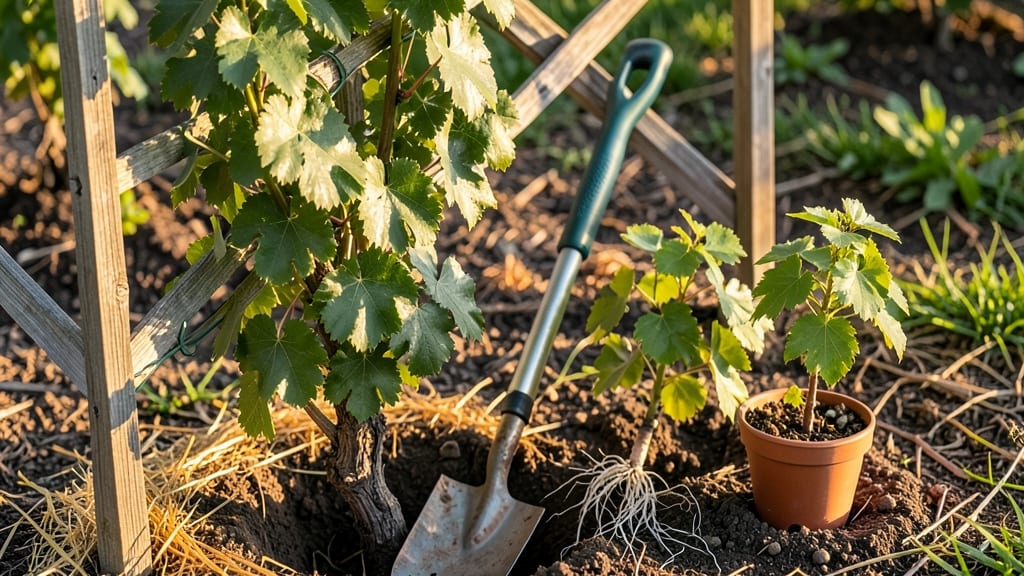
Planting grape vines in Illinois isn’t just about grabbing a vine and sticking it in the ground—it’s about timing it perfectly to match your variety’s chill-hour needs and avoiding those pesky late frosts.
With Zone 5a-6b winters, you’ve got a narrow window to get it right, whether you’re growing sweet table grapes like Concord or cold-hardy wine grapes like Marquette.
Most Illinois gardeners swear by spring planting—right after the last frost, typically mid-April to May—but fall planting in September or October can give your 🍇 a head start.
The key is understanding how many chill hours your grape variety needs to break dormancy, because planting too early or too late can mean the difference between a thriving vine and a sad, frost-nipped failure.
I’ve spent years testing what works in Illinois’ variable climate, and the best results come from preparing your soil in advance, choosing the right spot with full sun, and knowing exactly when to plant based on your grape’s needs.
Let’s break down the exact timeline and tips to ensure your grape vines take root and flourish.
Whether you’re a first-time grower or a seasoned gardener, getting the timing right is half the battle. Stick with me, and I’ll show you how to plant your grape vines for maximum success—no guesswork involved.
Illinois grape vine planting timeline by chill-hour needs
Timing your grape vine planting in Illinois isn’t just about waiting for spring—it’s about matching your grape variety to the state’s chill-hour requirements. Zone 5-6 gardeners face unique challenges: early frosts, variable soil temperatures, and dormancy needs that differ between table grapes and wine grapes.
Planting too early risks frost damage, while waiting too long may stunt root establishment before winter. Let’s break down the optimal planting windows based on your grapevine’s chill-hour needs.
Illinois’ average last frost date ranges from April 1-15 (northern regions) to April 15-30 (southern regions). However, soil temperature—consistently above 50°F—is the true trigger for planting.
Cold-hardy varieties like Concord and Niagara (300-500 chill hours) can handle earlier spring planting, while wine grapes like Cabernet Franc (600+ chill hours) often need fall planting to meet dormancy requirements. Let’s compare your options.
| Variety Type | Chill Hours Needed | Best Planting Window | Soil Temp Requirement | Frost Risk Level |
|---|---|---|---|---|
| Cold-Hardy Table Grapes (Concord, Niagara, Catawba) | 300-500 | Late April - Early May | 50°F+ (consistent) | High (early spring) |
| Hybrid Wine Grapes (Marquette, Frontenac, La Crescent) | 500-700 | Late September - Early October | 45°F+ (soil warming) | Low (fall planting) |
| French-American Hybrids (Valvin Muscat, Seyve-Villard) | 400-600 | Early April OR Late September | 48°F+ (spring) / 45°F+ (fall) | Medium (spring) / Low (fall) |
| European Wine Grapes (Cabernet Franc, Chardonnay) | 600-900 | Late September ONLY (spring risk too high) | 45°F+ (fall only) | Very High (spring planting) |
For spring planting, aim for late April to early May when soil temperatures stabilize above 50°F. This window works best for cold-hardy varieties like Concord, which thrive in Illinois’ 300-500 chill hours.
Use a soil thermometer to confirm—planting before soil warms risks root rot. If you’re in northern Illinois, wait until after May 1 to avoid late frosts that can damage tender new growth.
Fall planting offers advantages for wine grapes and varieties needing 500+ chill hours. Plant in late September to early October when soil is still warm but air temperatures drop.
This gives roots time to establish before winter dormancy. For European wine grapes, fall planting is nearly mandatory—they simply can’t survive Illinois’ early spring frosts if planted in spring.
One critical mistake Illinois gardeners make is planting bare-root vines too early. Even if soil is workable, dormant vines won’t root until temperatures rise. For container-grown vines, you have more flexibility—plant anytime soil isn’t frozen, but spring or fall still wins for establishment.
If you’re unsure about chill hours, check your variety’s label or consult the University of Illinois Extension chill-hour calculator.
Pro tip: Mulch heavily after planting (4-6 inches of straw or wood chips) to protect roots from temperature swings. In southern Illinois, where last frosts arrive later, you might push spring planting to mid-May.
Conversely, in northern Illinois, fall planting extends to mid-October if soil remains unfrozen. Always monitor your local frost forecast—the National Weather Service provides county-specific alerts.
Remember that container-grown vines adapt better to Illinois’ climate extremes. They warm up faster in spring and can be moved to protected microclimates if frost threatens. For in-ground planting, choose south-facing slopes to capture warmth and avoid frost pockets.
If your yard has poor drainage, amend soil with compost to prevent winter waterlogging—a common killer of young grapevines in Illinois’ wet springs.
For wine grapes like Cabernet Franc, fall planting isn’t optional—it’s essential. These varieties need 600+ chill hours to break dormancy properly. Plant in late September when soil is still 50°F+ but nights dip below freezing.
The vine will enter dormancy naturally, then burst with growth in spring. Skip spring planting unless you’re growing hybrid varieties like Marquette,
Step-by-step Illinois grape vine planting calendar
Illinois’ variable climate demands precise timing for grape vine success. Planting too early risks frost damage, while late planting delays root establishment. My 3-month calendar aligns with Zone 5-6 chill hours and soil temperatures, ensuring your Concord or Marquette vines thrive.
Start with bare-root vines in spring or container-grown plants in early fall for best results.
March is all about preparation. Test your soil pH (ideal: 6.0-6.5) and amend with compost if needed. Choose a sunny, sheltered spot with well-draining soil. If planting container vines, select 5-gallon pots with drainage holes. Avoid planting yet—soil temps are too cold for root growth.
- Step 1: Test soil temperature with a soil thermometer—wait until it reaches 50°F+ (ideal: 60°F+).
- Step 2: Soak bare-root vines in water for 2-4 hours before planting to rehydrate roots.
- Step 3: Dig a hole twice as wide as the root ball but no deeper—plant at the same depth as the graft union.
- Step 4: Mix compost into the backfill soil for nutrient-rich root establishment.
- Step 5: Water deeply (1-2 gallons) immediately after planting to eliminate air pockets.
- Step 6: Apply 2-3 inches of mulch around the base (keep mulch 6 inches from trunk) to retain moisture.
- Step 7: Install a trellis or arbor within 2 weeks to support vine growth as new shoots emerge.
In April, focus on early spring planting (after last frost date, typically mid-April). If soil temps are 50°F+, plant bare-root vines now. For container-grown vines, wait until soil reaches 60°F+ to avoid root shock.
Prune any damaged roots before planting and trim canes to 12-18 inches to encourage bushier growth.
May is critical for post-planting care. Monitor for new shoots (they should appear in 4-6 weeks). Water deeply once weekly and fertilize with balanced 10-10-10 when shoots reach 6 inches tall.
Install drip irrigation if possible to maintain consistent moisture. Watch for Japanese beetles—use neem oil if needed.
By June, your vines should be actively growing. Train new shoots along the trellis and prune suckers (growth from the trunk) to direct energy to fruit production.
Reduce watering slightly in hot weeks to prevent berry splitting. Harvest table grapes (like Concord) in late August when fully colored and soft.
🍇 Remember: Illinois’ unpredictable frosts can hit as late as May. Use frost cloth for young vines if night temps drop below 32°F. Container vines are easier to protect—simply move them to a sheltered spot during cold snaps.
With this step-by-step calendar, your grape vines will establish strong roots and reward you with abundant harvests for years.