
Plants
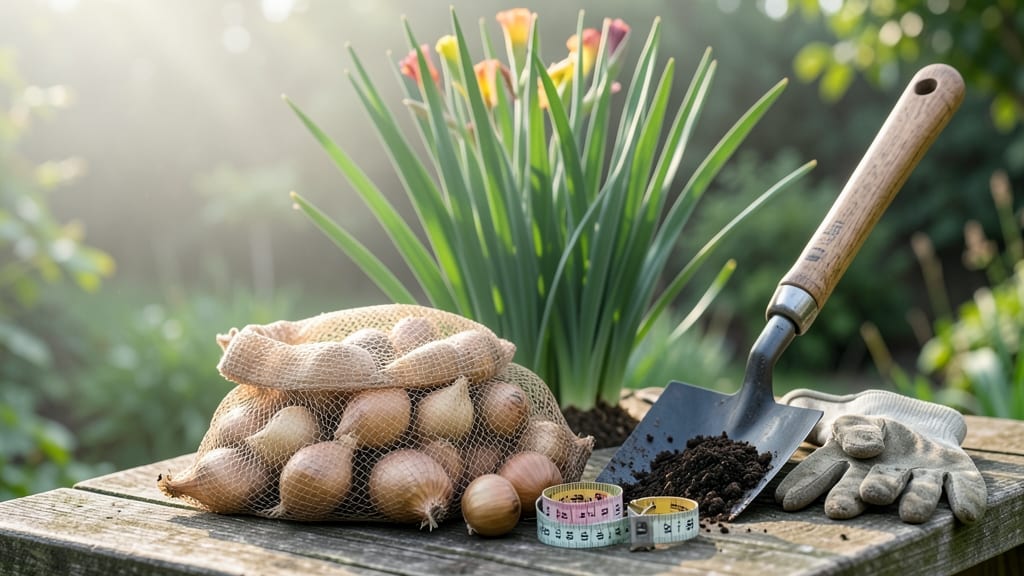
Timing your gladiolus 🌸 planting in Colorado isn't just about the calendar—it's about outsmarting the state's unpredictable frost and high-altitude quirks. One wrong move, and your vibrant blooms could vanish before they even peek above the soil.
I've learned the hard way that Colorado's USDA Zones 5-7 demand precision. Plant too early, and frost will nip your corms in the bud. Too late, and you'll miss the 120-150 frost-free days these dramatic flowers need to reach their full 4-5 foot glory.
Here's the game-changer: soil temperature matters more than dates. We're talking 55°F for two+ weeks—not just air temperature. That's when your gladiolus corms wake up and start growing roots, setting the stage for those showstopping summer blooms.
In this guide, I'll show you exactly how to read Colorado's climate signals—from elevation-specific planting windows to soil warming tricks that'll have your 🌸 gladiolus thriving when others are still waiting for their first green shoot. Let's get those corms in the ground the right way.
Optimal gladiolus planting dates in Colorado by elevation zone
Colorado’s diverse elevation zones create a complex planting puzzle for gladiolus lovers. At 5,000 feet on the Front Range, you’ll plant weeks earlier than at 9,000+ feet in the mountains.
The key? Soil temperature consistency—gladiolus corms need 55°F+ for 2+ weeks before planting. Let’s break down your exact window based on where you garden.
First, calculate your last frost date using Colorado’s USDA Zones 5-7. Most Front Range areas (Denver, Boulder) average frost-free by May 15, while mountain towns like Leadville or Aspen may wait until June 15.
Plant gladiolus corms 4-6 weeks before your local last frost date to ensure roots establish before summer heat arrives.
Here’s your elevation-based planting guide with soil temperature thresholds and frost-free date calculations:
| Elevation Zone | Last Frost Date | Planting Window | Soil Temp Threshold | Key Notes |
|---|---|---|---|---|
| Front Range (5,000-7,000 ft) | April 15-May 15 | April 15-May 15 | 55°F+ for 2+ weeks | Use row covers for late frosts |
| Western Slope (6,000-9,000 ft) | May 1-May 30 | April 15-June 1 | 55°F+ for 2+ weeks | Warmer microclimates extend window |
| Mountain Regions (9,000+ ft) | June 15-July 1 | May 15-June 15 | 60°F+ for 2+ weeks | Short season—choose early varieties |
For Front Range gardeners (Denver, Fort Collins), aim to plant between April 15-May 15 when soil hits 55°F consistently. Use a soil thermometer to verify—gladiolus corms won’t sprout until the ground warms. If late frosts linger, cover plants with frost cloth until danger passes.
Gardeners in Western Slope areas like Grand Junction or Durango enjoy a 2-week earlier window thanks to warmer microclimates. Plant by April 15 for summer blooms, but monitor nighttime temperatures—drops below 40°F can damage emerging shoots. Raised beds warm faster and are ideal for these zones.
At high elevations (9,000+ ft), your planting window shrinks dramatically. Start corms in early May when soil reaches 60°F—the higher altitude requires extra warmth.
Choose early-blooming varieties like ‘Picasso’ or ‘Green Star’ to maximize your short season. Consider container gardening to move plants to warmer spots if frost threatens.
Pro tip: Stagger your plantings every 2 weeks to extend blooms from July through September. Plant 1/3 of your corms in early April, another 1/3 in mid-May, and the final 1/3 in early June. This ensures continuous color when other flowers fade.
After planting, maintain consistent moisture—gladiolus roots need 1-1.5 inches of water weekly. Mulch with straw or shredded leaves to regulate soil temperature and retain moisture. Avoid overwatering, which can cause corm rot in Colorado’s humid summers.
Remember: Colorado’s first frost typically arrives in mid-October, but mountain areas may see frost as early as September. Once blooms fade, cut back foliage and let it die back naturally.
Dig up corms after the first hard frost and store them in a cool, dry place for next year’s garden.
With these elevation-specific dates and soil temperature tricks, you’ll outsmart Colorado’s climate and enjoy stunning gladiolus blooms from your high-altitude garden. Happy planting! 🌸
Soil temperature secrets: how to outsmart Colorado’s late frost
Colorado’s late frosts can strike even after Memorial Day, leaving your gladiolus corms vulnerable if planted too early. The key to success lies in understanding soil temperature thresholds—gladiolus corms need consistent soil temps above 55°F for at least 2 weeks to sprout reliably.
Without this, your vibrant blooms may never appear, leaving you staring at bare stems instead of showstopping summer flowers.
Monitoring soil temperature isn’t just guesswork—it’s a science. While a digital soil thermometer gives precise readings, you can also use the potato method for a no-tech approach.
Simply bury a raw potato in the garden bed for 24 hours; if it’s soft, your soil is above 55°F. This simple trick helps you avoid costly mistakes when Colorado’s unpredictable mountain weather throws curveballs.
Here’s how to extend your growing season and protect your gladiolus from late frosts using proven techniques:
- 1 Warm the Soil: Use black plastic mulch or straw bales 2 weeks before planting to raise soil temps. Lay them directly on the bed and remove just before planting.
- 2 Plant Late Varieties: Choose early-blooming gladiolus like ‘Picasso’ or ‘Green Star’, which mature faster. Plant them 4-6 weeks after your last frost date for a safer bet.
- 3 Use Row Covers: After planting, cover beds with floating row covers until soil warms. Secure edges with bricks or soil to prevent frost damage. Remove covers when nighttime temps stay above 40°F consistently.
- 4 Build a Cold Frame: For high-elevation gardens, construct a low cold frame (2-3 ft tall) over gladiolus beds. It traps heat during the day and insulates at night, adding 5-10°F protection against late frosts.
- 5 Stagger Plantings: Plant 1/3 of your corms 2 weeks apart to ensure some blooms escape frost. This spreads risk and guarantees continuous color from late summer to fall.
- 6 Monitor with a Thermometer: Check soil temps daily using a digital soil thermometer (insert 4 inches deep). If temps drop below 50°F at night, cover plants immediately with burlap or old blankets.
Don’t let Colorado’s late spring frosts steal your summer blooms. By combining soil warming, protective covers, and strategic planting, you can coax gladiolus into blooming even in the most unpredictable years. The payoff? Stunning, long-stemmed flowers that’ll have your neighbors green with envy—literally!
Pro tip: Keep a garden journal to track soil temps and frost dates in your specific microclimate. Over time, you’ll refine your timing and outsmart Colorado’s weather like a pro. Happy planting!