
Plants
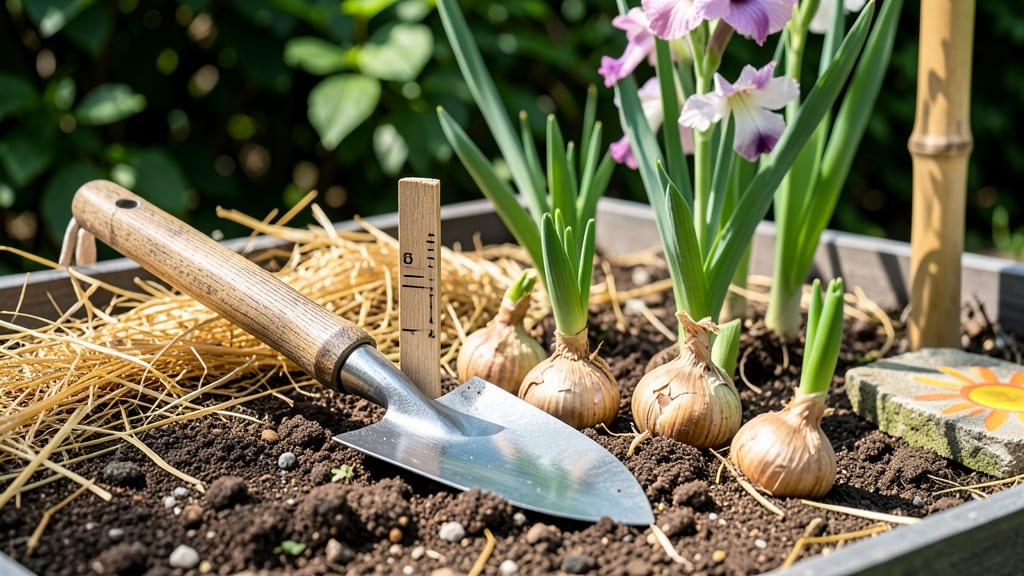
Planting gladiolus bulbs at the wrong time in Pennsylvania can mean the difference between a stunning summer display of 🌸 and a sad, frost-nipped disappointment. With USDA Zone 6a's fickle springs, timing your gladiolus planting just right ensures those bold blooms thrive from July through September.
Most gardeners in Pennsylvania wait until after the last frost date—typically mid-May—but that’s not the whole story. Soil temperature matters just as much as calendar dates, and cooler pockets in your yard might need adjustments. Let’s break down the exact window for planting gladiolus bulbs in your region.
You’ll learn how to read your local frost patterns, prepare your soil for success, and even choose the best varieties for Pennsylvania’s climate. Whether you’re a first-time gardener or a seasoned pro, these tips will help you avoid common mistakes and get the most vibrant blooms possible.
Ready to transform your garden into a summer spectacle? Let’s dive into the perfect planting schedule for your gladiolus—so you can enjoy those show-stopping flowers all season long.
Best gladiolus planting months in Pennsylvania’s Zones 6-7: exact timing for healthy growth
Timing is everything when planting gladiolus bulbs in Pennsylvania, where USDA Zones 6-7 bring unpredictable spring frosts. The ideal window spans from late April to mid-May, but this depends on your exact location and microclimate.
For example, Philadelphia’s warmer pockets may allow earlier planting, while Pittsburgh’s cooler valleys might need a later start. Aim for when soil temperatures hit 55°F+ at 4-inch depth.
Gladiolus corms thrive when planted after the last frost date, which typically falls around April 15 in most of Pennsylvania. However, don’t rush—planting too early risks frost damage to emerging shoots.
Use a soil thermometer to confirm readiness. In Zone 6a, where frosts linger longer, wait until mid-May for safety, especially in higher elevations like the Poconos region.
Here’s a quick reference for Pennsylvania’s planting timeline:
| Region | Ideal Planting Window | Soil Temp Threshold | Adjustments for Late Frost |
|---|---|---|---|
| Philadelphia | Late April–Early May | 55°F+ | Use row covers if frost predicted |
| Pittsburgh | Mid-May | 55°F+ | Wait for consistent warmth |
| State College | Early May | 55°F+ | Plant near south-facing walls |
| Poconos (Zone 6a) | Mid-May–Early June | 55°F+ | Delay until after May 15 |
If you miss the ideal window, don’t panic—gladiolus can handle a late planting up to early June, though blooms may arrive later. For extended-season color, stagger plantings every 2 weeks from late April through early June.
This ensures continuous blooms from July through September, even if some early plantings face frost.
Pennsylvania’s microclimates play a huge role. Urban areas like Philadelphia often warm up faster due to the "heat island" effect, while rural mountainous regions stay cooler. Observe your garden’s behavior for 2–3 years to refine your planting schedule.
For example, if your garden bed near a brick wall blooms earlier, plant gladiolus there first.
Soil preparation is just as critical as timing. Gladiolus bulbs rot in waterlogged soil, so amend heavy clay with compost or sand and ensure drainage. In sandy soils, mix in organic matter to retain moisture.
Aim for a pH of 6.0–7.0, which is ideal for gladiolus growth. Test your soil in early spring to adjust before planting.
For gardeners in Zone 7 (southern PA), you can push the window to early April if your area rarely sees frost after that date. However, always monitor weather forecasts and have row covers ready.
A sudden cold snap can set back young shoots, but with proper protection, they’ll recover and still produce stunning summer blooms.
Pro tip: Mark your planting dates on a garden calendar to track success. Note which varieties bloom earliest and adjust future plantings accordingly. For instance, ‘Picasso’ often blooms 2–3 weeks earlier than ‘Green Star’, making it perfect for staggered plantings. This technique maximizes your garden’s seasonal color impact.
Remember, gladiolus bulbs are perennials in Zones 7+, but in Zone 6, they’re often treated as annuals due to winter dieback. If you’re ambitious, dig and store corms after the first frost, then replant the following spring. This method extends their lifespan and saves money over time.
With the right timing and a little patience, your Pennsylvania garden will burst with gladiolus blooms that turn heads from July through fall. Start with the ideal window, adjust for your microclimate, and enjoy the rewards of perfect timing—just in time for summer’s peak gardening season! 🌸
How to prepare gladiolus corms for Pennsylvania’s unpredictable spring: step-by-step hardening guide
Pennsylvania’s unpredictable spring can leave gladiolus corms vulnerable if planted too early. To ensure strong, frost-resistant growth, I’ve learned to harden corms and amend soil 2–3 weeks before planting.
This simple prep work makes all the difference between wilted shoots and vibrant summer blooms. Let’s break down the exact steps I follow each year.
First, check your last frost date—typically April 15 in most of Pennsylvania. I plant gladiolus corms 4–6 weeks after this date, but only after hardening them.
This mimics natural temperature shifts and toughens the corms for outdoor conditions. Without this step, your glads may struggle with transplant shock or even rot in cold soil.
Step-by-Step Hardening Guide:
Place corms in a paper bag with sphagnum moss (keep moist but not soggy) and refrigerate for 2–3 weeks at 40–50°F. This mimics winter dormancy and jumpstarts growth.
Wait until soil reaches 55°F+ (use a soil thermometer). In Pennsylvania, this is usually late April to early May, but heavy clay soils warm slower—amend with compost to speed this up.
Heavy clay? Mix in peat moss or sand for drainage. Sandy loam? Add aged compost to retain moisture. Aim for well-draining soil—gladiolus hate soggy roots.
Bury corms 6 inches deep (pointy end up!) with 6 inches between plants. In windy areas, stake lightly to prevent toppling before roots establish.
Use frost blankets or row covers if nights dip below 32°F. Remove covers by 10 AM to avoid overheating. Mulch with straw to insulate roots.
After planting, I monitor for early signs of growth—tiny shoots poking through soil mean success! If a late frost hits, cover plants immediately with burlap or cardboard. Once established, gladiolus thrive with minimal care, rewarding you with bold summer blooms from July onward.
For extended blooming, stagger plantings every 2 weeks—this ensures flowers from July through September. In my garden, this trick adds 3 extra weeks of color! Just remember: well-prepped corms = healthier plants that bounce back from Pennsylvania’s unpredictable weather.