
Plants
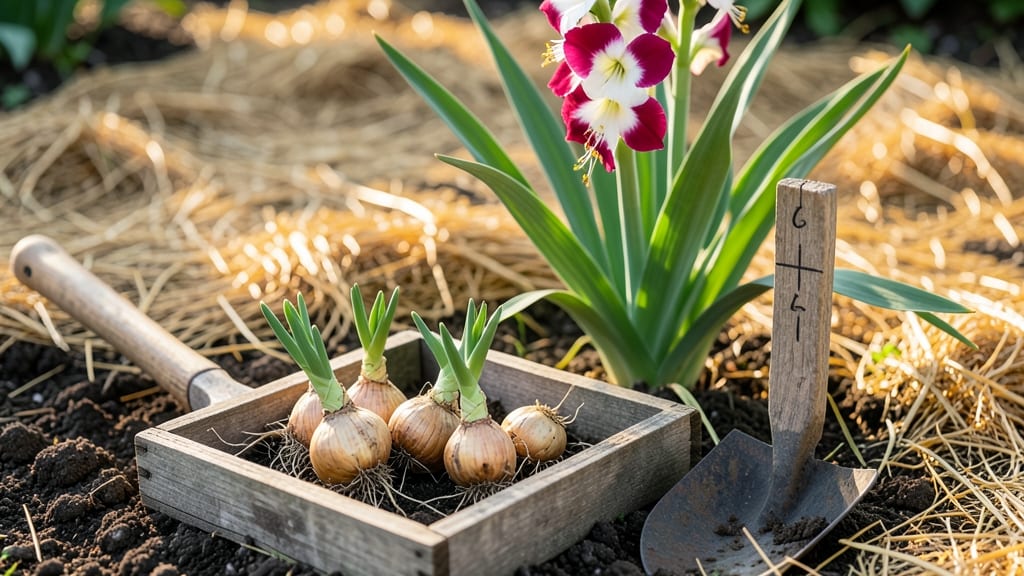
Timing your gladiolus bulb planting just right in Georgia can mean the difference between stunning summer blooms and wasted effort—especially with frost-free deadlines varying by county and heat zone.
If you've ever watched your 🌸 gladiolus corms rot in cold soil or struggled with blooms that never materialized, you know how critical the right window is.
Georgia's 7b-8b zones give you a narrow but crucial period between late February and early April to get these bulbs in the ground before the last frost hits around March 15.
What most gardeners don't realize is that North Georgia's cooler microclimates (like the Blue Ridge) need to wait until mid-April, while South Georgia (near Savannah) can plant as early as February 20—without risking frost damage.
I'll show you exactly how to adjust your planting schedule based on your specific location.
Once you master these timing secrets, you'll not only avoid common mistakes but also extend your bloom season from Memorial Day through Labor Day. Let's dive into the frost-free planting guide that will transform your garden this year.
Georgia’s gladiolus planting deadlines by heat Zone (frost-free timeline)
Timing your gladiolus bulb planting in Georgia depends heavily on your USDA heat zone and last frost dates. Northern counties like Blue Ridge (Zone 7b) face later frost risks than southern areas like Savannah (Zone 8b).
Planting too early risks frost damage, while waiting too long delays those showstopping summer blooms. Let’s break down the frost-free planting windows by zone to ensure your gladiolus corms thrive.
Gladiolus bulbs need warm soil temperatures of at least 60°F (15°C) to sprout successfully. In Zone 7 (North Georgia), this typically aligns with late March to early April, while Zone 8-9 gardeners can plant as early as mid-February.
Soil that’s too cold can stunt growth or cause rot, so always check soil temperature before planting. Use a soil thermometer or wait until the ground feels warm to the touch.
Avoid planting gladiolus bulbs in fall for summer blooms, as Georgia’s mild winters rarely provide enough chill to trigger dormancy. Instead, focus on spring planting after the last average frost date, which varies by county.
For example, Atlanta (Zone 7b) averages its last frost around March 15, while Savannah (Zone 8b) sees frost-free conditions by February 15. Planting too early in colder zones risks frost damage to emerging shoots.
In Zone 7 areas like Blue Ridge or Dalton, where frosts can linger into April, I recommend waiting until April 1 to plant gladiolus bulbs. The risk of late frost damaging tender shoots is higher here, so err on the side of caution.
Use row covers if you’re eager to plant earlier, but remove them once soil warms to 60°F (15°C). For Zone 8-9 gardeners in Savannah or Brunswick, you can plant as early as mid-February, giving your gladiolus a head start for summer blooms.
Soil temperature is just as critical as air temperature. Gladiolus corms won’t sprout until the soil reaches 60°F (15°C), even if air temps are mild.
In Atlanta’s clay-heavy soil, warming can be slower, so test soil temps with a thermometer or wait until you can push your hand 6 inches deep without feeling cold. If your soil is still chilly, hold off planting until conditions improve—patience prevents rot.
For extended bloom seasons, consider staggering plantings. In Zone 8b, plant a third of your bulbs in February for early summer blooms, another third in March for mid-summer, and the final third in April for late-summer flowers.
This technique ensures continuous color from June through September. Just be sure to space plantings 2-3 weeks apart for even growth.
If you’re in a transition zone like Zone 7b near Atlanta, where frosts can be unpredictable, opt for late-blooming varieties like ‘Green Garter’ or ‘Black Star’. These varieties tolerate slightly cooler soils and still produce stunning summer blooms.
Avoid early varieties like ‘Picasso’ unless you’re certain your soil has warmed—cold soil stunts growth and reduces flower quality.
One common mistake Georgia gardeners make is planting gladiolus bulbs too shallow. In sandy soils (common in South Georgia), plant corms 5-6 inches deep to prevent drying out.
In clay soils (like those in Atlanta), go 4-5 inches deep to improve drainage. Always plant with the pointy end up
How to adjust planting time for early vs. late blooming gladiolus varieties
Staggering your gladiolus bulb plantings is the secret to enjoying continuous blooms from Memorial Day through Labor Day. Georgia’s long growing season lets you time plantings for peak seasonal events, so you’re never without fresh-cut flowers.
The key is selecting early, mid, and late-season varieties and spacing their planting dates accordingly.
For North Georgia gardeners (Zones 7a-7b), start with early varieties 2-3 weeks after your last frost date—typically mid-April. In South Georgia (Zones 8a-8b), you can begin as early as late March. This timing ensures your first blooms arrive just in time for Mother’s Day celebrations or Memorial Day displays.
- Early Varieties: Plant April 1-15 (Zones 7-8) for Memorial Day blooms (July 4th). Choose 'White Prosperity' or 'Pink Parfait'.
- Mid-Season Varieties: Plant May 1-15 for peak summer color (July-August). Opt for 'Black Star' or 'Green Gold'.
- Late Varieties: Plant June 1-15 to extend blooms through Labor Day (early September). Try 'Red Beauty' or 'Primo'.
- Bonus Planting: For fall interest, plant late August in Zone 8b+ for October blooms before frost.
Georgia’s clay-heavy soils can slow bulb growth, so amend beds with 2-3 inches of compost or sand before planting. Test soil pH—gladiolus thrives in 6.0-6.8 range. If your soil is too acidic, mix in lime (1 lb per 100 sq ft) 2 weeks before planting.
For container gardening, use well-draining pots with cactus/succulent mix blended with perlite. Plant 2-3 corms per 6-inch pot and place in full sun on patios or balconies. Containers warm up faster, letting you plant 1-2 weeks earlier than in-ground beds.
After planting, mulch heavily (3-4 inches) with straw or pine needles to retain moisture and regulate soil temperature. This is especially critical in Atlanta’s clay soil, where moisture evaporates quickly. Water deeply 2-3 times per week until blooms appear, then reduce to weekly deep watering.
Watch for thrips or aphids on new shoots—spray with neem oil at first sign of pests. Deadhead spent blooms to encourage longer flowering cycles and prevent seed formation. With this staggered approach, you’ll enjoy gladiolus blooms for 3+ months—perfect for weddings, holidays, and everyday garden enjoyment! 🌻