
Companion Plants
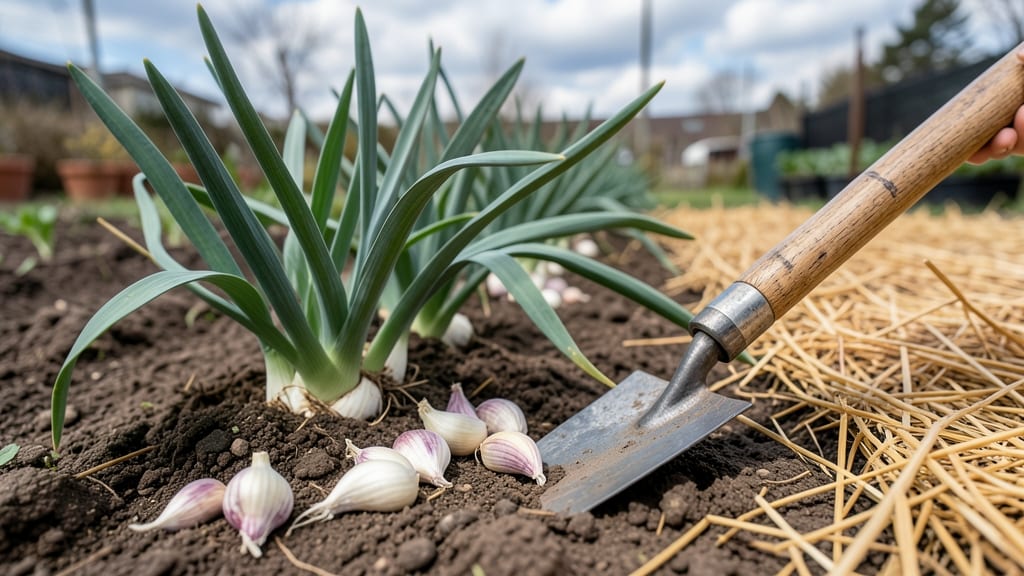
Planting your garlic 🧄 in Western Pennsylvania at the wrong time can mean the difference between a bumper crop and wasted cloves—but getting the timing right is easier than you think.
The key lies in those crisp fall days when the soil cools but hasn't frozen solid, creating perfect conditions for hardneck varieties to establish roots before winter sets in.
If you've ever wondered why some gardeners swear by October planting while others insist on November, the answer lies in your local climate patterns. In USDA Zone 6a, where Western PA falls, the 4-6 week window before hard freeze is your sweet spot for planting.
This timing gives your garlic just enough cold exposure to develop strong bulbs while avoiding the risk of rot from overly wet soil.
What makes this even more exciting is that hardneck garlic—the variety that thrives in our region—actually needs those cold winters to form proper bulbs. Unlike softneck varieties, which do better in milder climates, your Western PA garlic will reward you with bold flavors and sturdy cloves when planted correctly.
Let me walk you through the exact steps to make this year your most successful garlic harvest yet.
From selecting the right varieties to preparing your soil and knowing when to stop watering, I'll cover everything you need to grow garlic that's bigger, stronger, and more flavorful than ever before.
Whether you're a first-time planter or a seasoned gardener, these tips will help you avoid common mistakes and maximize your yield.
Best planting months for hardneck garlic in Western PA (with exact dates)
Western PA’s USDA Zones 5-6 create ideal conditions for hardneck garlic, but precise timing separates thriving harvests from disappointing failures. Unlike many vegetables, garlic needs a cold winter dormancy to develop flavorful bulbs—plant too early, and cloves rot; too late, and roots won’t establish before freeze.
The 4-6 week window before ground freeze is critical for success.
For most of Western PA, this means planting between mid-October and early November. Pittsburgh’s average first hard freeze occurs around November 15th, while Erie’s slightly later at November 22nd.
Soil temperatures should consistently stay below 50°F (10°C) for at least 4 weeks post-planting to trigger dormancy. This timing ensures roots establish while protecting cloves from winter moisture.
Why late fall? Planting in October-November gives garlic time to develop strong root systems before winter sets in. The cold period actually enhances bulb formation—something softneck varieties can’t tolerate. In fact, studies show hardneck garlic planted in October yields 20-30% larger bulbs compared to spring planting, which is rarely successful in our climate.
If you miss the October-November window, you can still plant in early December, but success rates drop significantly. The ground must remain unfrozen, and cloves need at least 6-8 weeks before winter’s worst cold sets in.
For example, in State College (Zone 6b), planting after December 1st often results in poor bulb development due to early snow cover.
What about spring planting? While some gardeners attempt it, spring-planted garlic rarely matures properly in our climate. The 60-90 day growing season required for bulb formation simply doesn’t align with Western PA’s short summers.
Spring planting is only viable if you’re growing garlic for green shoots (like scapes) rather than full bulbs.
Pro tip: Use a soil thermometer to monitor temperatures. Plant when readings consistently stay below 60°F (16°C) during the day. This typically aligns with mid-October for Pittsburgh and late October for higher elevations like Erie or Altoona.
The Penn State Extension recommends waiting until after the first frost but before the ground freezes solid.
Don’t let rainy fall weather delay your planting. While wet soil can make digging difficult, garlic cloves planted in moist conditions establish roots 25% faster than in dry soil.
Just ensure your beds have good drainage—Western PA’s clay soils often need amendments like compost or sand to prevent waterlogging during winter thaws.
For maximum yield, aim to plant by November 1st in most of Western PA. The earlier in this window, the better—garlic planted in late October often produces larger bulbs with more cloves.
Just be prepared to mulch heavily (4-6 inches of straw) to protect cloves from freeze-thaw cycles that can heave them out of the soil.
Remember: The cold winter is your ally here. Hardneck garlic needs those freezing temperatures to develop properly. Without it, you’ll end up with small, weak bulbs that lack the robust flavor Western PA gardeners love. Embrace the chill—it’s what makes our garlic exceptional. 🌱
How to prepare garlic cloves and soil for maximum success in PA’s climate
Preparing your garlic cloves and PA soil properly is half the battle for a bountiful harvest. Western PA’s clay-heavy soil and humid summers demand extra care to create the ideal growing conditions.
Start by selecting plump, firm cloves from hardneck varieties—they’re the gold standard for our climate. Avoid any with soft spots or sprouts, as these won’t survive winter’s freeze-thaw cycles.
Next, focus on your soil’s drainage and pH. Garlic thrives in well-draining soil with a pH between 6.0 and 7.0. Test your soil using a home kit or send a sample to Penn State Extension for professional analysis.
If your soil is too acidic, amend it with lime; if it’s alkaline, add sulfur or peat moss. This step is critical—garlic won’t absorb nutrients efficiently outside this range.
⚠️ callout warning ⚠️
🚨 PA-Specific Warning: Compacted Clay Soil
Western PA’s heavy clay soil can suffocate garlic roots, leading to rot. Break up compacted areas with a broadfork or till in 2-3 inches of compost before planting. If your soil stays soggy after rain, raise beds by 6-8 inches to improve drainage. Never plant in low spots where water pools.
Once your soil is prepped, enrich it with organic matter like well-rotted manure or compost. Work in a 2-3 inch layer to improve structure and fertility. Avoid fresh manure—it can burn delicate garlic roots.
For extra insurance against deer browsing (a common issue in rural PA), mix in blood meal or cottonseed meal at planting time. This deters hungry critters without harming your crop.
Choose a sunny planting site with at least 6 hours of sunlight daily. Garlic needs full sun to develop strong bulbs, but in hot summers, afternoon shade helps prevent bolting. If your yard is shady, consider raised beds or containers—just ensure they’re in the sunniest spot available.
Mark your rows with stakes or flags to avoid disturbing the soil later when weeds pop up.
Before planting, let your cloves cure for 1-2 days in a dry, dark place. This hardens their skins and reduces rot risk. Plant them 2 inches deep, 4-6 inches apart, with the pointed end up.
Space rows 12-18 inches apart to allow airflow and easy harvesting. Mulch with straw or leaves after planting to insulate roots from winter’s extremes and suppress weeds.
Finally, protect your garlic from deer and voles by installing chicken wire cages or using repellent sprays like garlic oil. Check your plants in early spring—if they’re nibbled, act fast.
With these steps, your garlic will establish strong roots before winter, setting the stage for plump, flavorful bulbs next summer. 🌱