
Plants
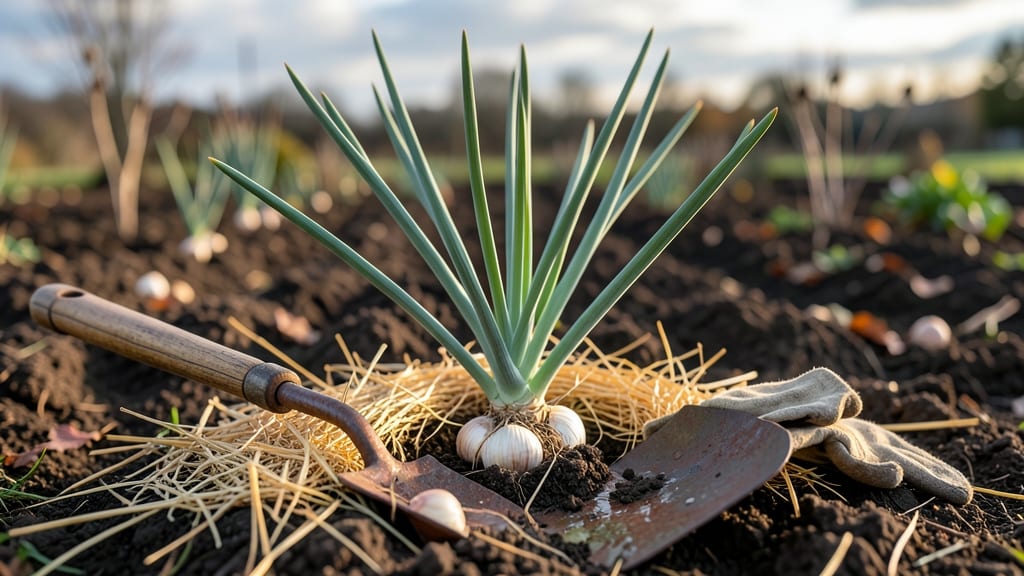
Planting garlic in Minnesota isn't just about timing—it's about harnessing the cold to grow bold, flavorful bulbs that outshine store-bought varieties. The key? Getting those cloves in the ground between mid-September and early October, when soil temperatures hover around 40-50°F—this triggers root growth before winter sets in.
Why does this matter? In Zone 3-5, hardneck garlic thrives on Minnesota’s chilly winters, but planting too early or late disrupts its natural cycle. I’ve learned the hard way that rushing in August or waiting until November can leave you with stunted bulbs—or worse, nothing at all.
Let’s break down the exact window and soil prep tricks that make all the difference.
You might think garlic is low-maintenance, but in Minnesota’s unpredictable climate, preparation is everything. From choosing the right hardneck varieties to adjusting for your specific microclimate, every detail counts.
Whether you’re a first-time gardener or a seasoned green thumb, these insights will help you avoid common pitfalls and set yourself up for a harvest of plump, papery-skinned garlic by next summer.
Ready to dive in? I’ll walk you through the science-backed timing, soil prep, and overwintering tips that turn Minnesota’s short growing season into your garlic-growing advantage. No more guesswork—just reliable, flavor-packed results.
Best planting time for garlic in Minnesota’s Zone 4 climate
Minnesota’s Zone 4 climate demands precise timing for hardneck garlic success. Unlike softer-necked varieties, hardnecks need a cold vernalization period to form bulbs. Planting too early or late disrupts this process, leading to small or weak harvests.
The ideal window balances soil warmth and frost arrival—critical for root establishment before winter dormancy.
Research shows garlic planted when soil temperatures hover between 40-50°F yields the largest bulbs. In Minnesota, this typically occurs in mid-September to early October. Northern regions (like International Falls) may shift planting 1-2 weeks earlier than southern areas (like Rochester) due to earlier frost dates.
The science behind this timing is rooted in photoperiod sensitivity. Garlic needs 10-12 hours of daylight to trigger bulb formation. Planting in late fall (November+) delays this process, often resulting in smaller, less flavorful bulbs or even failure to mature before summer’s end.
| Timing Factor | Zone 4 MN Ideal Window | Why It Matters |
|---|---|---|
| Soil Temperature | 40-50°F (mid-Sept to early Oct) | Roots establish before freeze; bulbs develop properly |
| Daylight Hours | 10-12 hours (fall equinox) | Triggers bulb formation in hardnecks |
| Frost Timing | 4-6 weeks before hard freeze | Allows root growth before dormancy |
| Northern MN Adjustment | Late Sept to mid-Oct | Earlier frost dates require earlier planting |
| Southern MN Adjustment | Early Oct to mid-Nov | Later frost allows extended window |
For northern Minnesota (Zones 3-4a), aim to plant by October 1st. Areas like Duluth or Grand Marais often see hard frosts by mid-October, leaving little room for error. Use a soil thermometer to confirm temperatures—planting when soil hits 50°F risks rot before roots establish.
Southern Minnesota (Zones 4b-5) enjoys a 2-week later window. Cities like Minneapolis or Rochester can plant until early November, but avoid planting after November 15th. Late plantings may not complete their growth cycle before summer’s heat, resulting in bolted scapes or poor bulb development.
Mulching plays a critical role in Zone 4 garlic success. Apply 4-6 inches of straw after planting to insulate bulbs during winter. This protects against freeze-thaw cycles that can heave garlic out of the soil. Remove mulch in early spring (March) to allow soil warming for regrowth.
If you miss the fall window, spring planting is possible but yields smaller bulbs. Plant softneck varieties in early April for a summer harvest, but hardnecks won’t perform well. Spring-planted garlic lacks the cold vernalization needed for proper bulb formation in Minnesota’s climate.
Pro tip: Use local garlic varieties like German White or Purple Stripe, which are bred for Zone 4 resilience. These varieties handle Minnesota’s cold winters and humid summers better than southern-bred garlic. Save seeds from your best bulbs to adapt to your microclimate over time.
Remember: The 40-50°F soil threshold is non-negotiable. Planting too early in August leads to premature sprouting, while waiting until December risks frozen soil. Check MN State University Extension frost maps annually—they update planting zones based on 30-year climate averages.
How to adjust planting dates for Minnesota’s frost patterns
Minnesota’s unpredictable frost patterns can turn garlic planting into a guessing game, but understanding your local frost dates is the key to success. The ideal window for planting hardneck garlic is 4-6 weeks before the ground freezes, typically between mid-September and early October.
However, if you miss this window, don’t panic—there are backup strategies to ensure your garlic still thrives. Let’s break down how to adjust your planting dates based on Minnesota’s frost cycles and regional variations.
First, check your USDA Zone (most of Minnesota falls in Zones 3–5) and track your average first hard frost date. In northern Minnesota, this often arrives by October 15, while southern regions may see frost as late as November 1.
Planting garlic too early (like in August) can lead to premature sprouting and weak bulbs, while planting too late (after the ground freezes) risks rot or failure. The goal is to give your garlic enough time to establish roots before winter sets in.
If you’re planting in October or November, focus on soil preparation and insulation. Work in compost or aged manure to improve drainage, and plant cloves 4 inches deep in well-drained soil.
After planting, cover the bed with 12+ inches of straw or leaves to protect bulbs from freezing temperatures. This extra layer acts as a natural insulator, preventing frost heave and ensuring healthy root growth over winter.
What if you completely miss the fall window? Don’t despair—spring planting is a viable backup. Plant cloves in March or early April as soon as the soil is workable. While bulbs won’t be as large as fall-planted garlic, they’ll still produce flavorful cloves for cooking.
Just be prepared to harvest them 2–4 weeks earlier than fall-planted varieties, typically in late June or early July. This method works best in Zone 4’s milder microclimates, like southern Minnesota or protected garden beds.
For extra peace of mind, consider starting garlic indoors in late winter (February) if you’re a late planner. Use small pots filled with sterile potting mix and place them in a cool, bright location (like a sunny windowsill).
Once the soil warms in spring, transplant the young shoots into your garden. This method gives you a head start and extends your planting window by several weeks.
Remember, garlic is perennial in Minnesota, meaning it can survive multiple winters if left in the ground. Over time, your garlic patches will become more hardy and productive.
Keep track of what works best in your yard, and don’t hesitate to experiment with different varieties or planting times to find your perfect rhythm. With a little flexibility and attention to frost patterns, you’ll be harvesting bold, flavorful garlic year after year. 🧄