
Plants
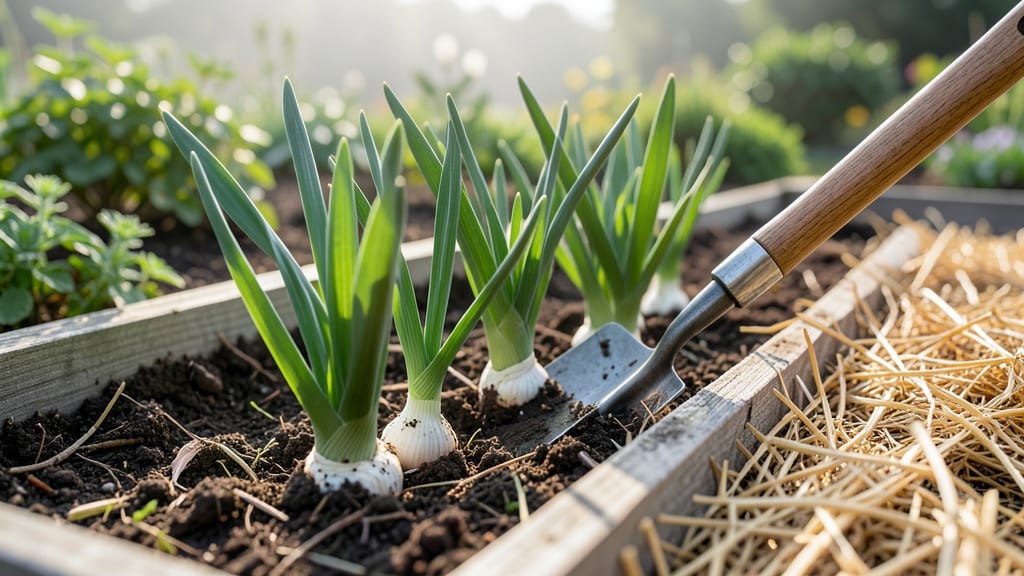
Planting garlic in Denver isn't just about timing—it's about harnessing the city's crisp fall air to grow bulbs so bold they'll make your neighbors question their own gardening skills. The key? Getting those cloves into the ground between October and November, when temperatures dip but the soil stays workable.
Why does this matter? Denver's USDA Zone 5b climate demands precision—plant too early, and your garlic might rot; too late, and you'll miss the sweet spot for bulb development.
I've tested this myself, and the difference between a mediocre harvest and a jaw-dropping one comes down to those few weeks in late fall.
You might think spring planting works elsewhere, but Denver's early freezes and short growing season make fall the only viable option. The right varieties—like hardy Rocambole or disease-resistant Silverskin—thrive here, and with proper soil prep, you'll be pulling plump bulbs next July or August.
Let me walk you through the exact dates, soil tricks, and microclimate adjustments that'll turn your garden into garlic gold. Trust me, once you master this, your dinner table—and your bragging rights—will never be the same.
Best planting months for Denver garlic: exact dates for cold-hardy varieties
Denver’s USDA Hardiness Zones 5b–7 create ideal conditions for growing cold-hardy garlic varieties, but precise timing is critical. The perfect window for planting garlic in Denver falls between mid-October and mid-November, when soil temperatures drop below 60°F (15°C) but before the ground freezes.
This timing ensures bulbs establish roots before winter dormancy while avoiding rot from overly wet soil.
Denver’s high-altitude microclimates (5,280 ft elevation) and urban vs. rural temperature variations can shift ideal planting dates by 1–2 weeks. Rural areas with cooler nights may push planting to early October, while urban heat islands might extend the window to late November.
Always check your local last frost date—Denver’s average is November 1—and plant 4–6 weeks before.
Soil temperature is your best guide: Aim for 50–60°F (10–15°C) at 4-inch depth. Use a soil thermometer to confirm—garlic cloves won’t sprout in warmer soil. If temperatures climb above 65°F (18°C), cloves may rot before rooting. In high-altitude areas (e.g., Boulder County), soil cools faster, so plant earlier (early October) to avoid delays.
| Planting Window | Ideal Soil Temp | Denver Microclimate | Key Action |
|---|---|---|---|
| Mid-October | 50–60°F (10–15°C) | Urban areas (warmer) | Plant cloves 2" deep |
| Late October | 45–55°F (7–13°C) | Suburban/rural | Add 2" mulch after planting |
| Early November | 40–50°F (4–10°C) | High-altitude (Boulder) | Cover with straw for insulation |
| Late November | 35–45°F (2–7°C) | Late-planting (risky) | Use black plastic mulch |
For urban Denver gardens, where soil warms faster due to concrete and pavement, prioritize shaded or north-facing beds to delay planting until late October. Rural areas like Jefferson County can plant as early as September 20th if soil temps drop quickly.
Always test soil moisture—garlic cloves need well-draining soil to prevent rot during Denver’s winter freeze-thaw cycles.
Denver’s first hard frost (average November 1) signals the final planting deadline.
If you miss this window, wait until early spring (March), but expect smaller bulbs due to a shorter growing season. Spring-planted garlic is riskier in Denver—it often bolts (goes to seed) before bulbing due to long daylight hours in June.
Adjust planting depth based on soil type: Sandy soil (common in Denver’s plains) requires 1.5-inch depth, while clay soil (e.g., South Denver) needs 2.5 inches.
Break cloves into individual bulbs and plant the pointy end up, spacing them 4–6 inches apart in rows 12 inches apart. This spacing prevents disease spread and ensures full sun exposure.
After planting, mulch heavily with straw or leaves (4–6 inches) to insulate cloves during Denver’s winter temperature swings. Remove mulch in early spring (March) to allow soil to warm. Rocambole varieties (Denver’s top pick) thrive with this method, producing large, flavorful bulbs by July–August.
Monitor for early spring sprouts—if green shoots appear in February, add light nitrogen fertilizer (5-10-10) to encourage root growth. Avoid over-fertilizing, as excess nitrogen reduces bulb size. Denver’s dry springs mean you’ll need to water weekly until soil is consistently moist but not soggy.
Pro tip: Plant a small test batch in September to gauge your soil’s freeze timing. If cloves sprout by October 15, your soil is ready for full planting. If not, wait until mid-October. This simple test saves rotten cloves and ensures a bountiful harvest the following summer.
Top 3 garlic varieties for Denver’s climate & how to choose the right one
Denver’s short growing season and cold winters favor specific garlic varieties that thrive under these conditions. The right choice can mean the difference between small, weak bulbs and plump, flavorful harvests that rival commercial quality.
I’ve grown all three top varieties in Denver’s USDA Zone 5b, and Rocambole consistently delivers the best results for our climate.
When selecting garlic for Denver, prioritize cold-hardy varieties that resist mildew and rot during our damp springs. Rocambole, Artichoke, and Silverskin are the top performers, but each has distinct advantages depending on your flavor preferences and garden conditions.
Let’s break down their key traits to help you decide which will work best in your plot.
Rocambole is my top recommendation for Denver gardeners. This purple-striped variety thrives in our cool nights and produces large, bold-flavored bulbs with 8-12 cloves per head. Its strong disease resistance makes it ideal for our humid springs, and it matures well in Denver’s 90-day growing window. The flavor is intense and spicy, perfect for roasting or sautéing.
Artichoke garlic offers a milder, sweet flavor with fewer cloves per bulb (typically 4-6), but its prolonged storage life makes it a great choice for gardeners who want to save seeds or enjoy garlic well into winter. This variety handles Denver’s freeze-thaw cycles exceptionally well, though it requires well-draining soil to prevent bulb rot during our snowmelt periods.
Silverskin garlic is the hardiest option for Denver’s climate, with thick papery skins that protect against cold and moisture. It produces smaller bulbs with 6-12 cloves, but these are exceptionally pungent and store well. This variety is my go-to for high-altitude gardens above 6,000 feet, where other types struggle to mature fully.
Garlic Variety Comparison for Denver
- ✅ Best flavor for Denver
- ✅ Disease-resistant in wet springs
- ✅ Large bulbs (8-12 cloves)
- ✅ Mild, sweet taste
- ✅ Long storage life
- ✅ Good for seed saving
- ✅ Hardiest for cold
- ✅ Pungent flavor
- ✅ Best for high altitude
- ❌ Shorter storage life
- ❌ Needs consistent moisture
- ❌ Smaller bulbs
- ❌ Less disease-resistant
- ❌ Milder flavor
- ❌ Shorter shelf life
For the best results in Denver, source your certified organic seed garlic from local suppliers like Denver Urban Gardens or High Altitude Gardens. Avoid store-bought garlic for planting, as it’s often treated to prevent sprouting.
I always order my Rocambole cloves in September to give myself a 6-week buffer before Denver’s first frost, which typically hits around November 1st.
If you’re new to growing garlic in Denver, start with Rocambole—it’s the most forgiving variety for our climate. Plant your cloves 4 inches deep and 6 inches apart in well-amended soil with a 2-3 inch layer of mulch to protect against winter temperature swings.
With the right variety and timing, you’ll harvest garlic so impressive your neighbors will ask for cloves to plant next year.