
Plants
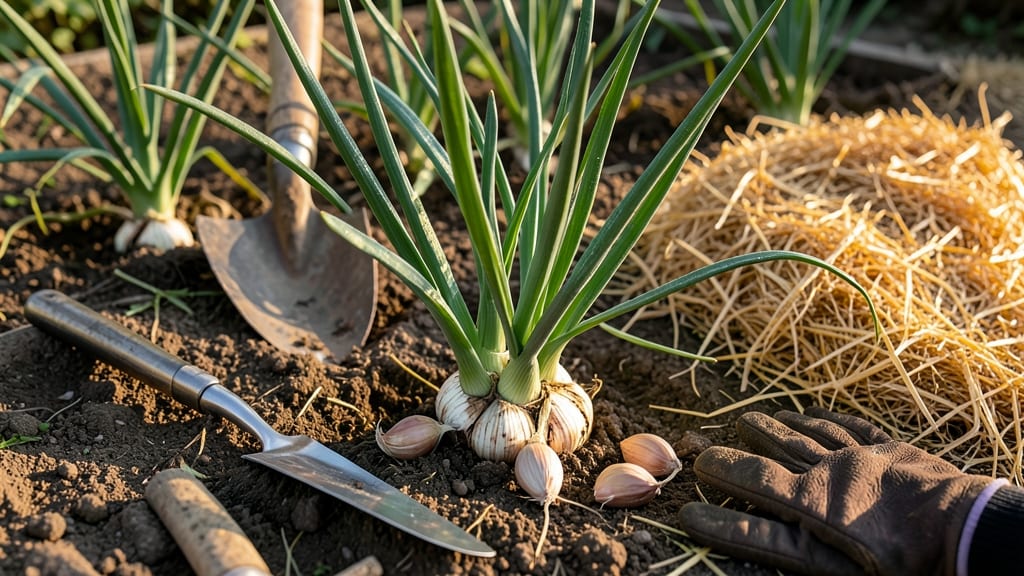
Planting garlic in Delaware at the wrong time could mean the difference between a bumper crop of plump bulbs and a disappointing harvest.
The secret to growing big, bold 🧄 garlic in Delaware’s 7a zone isn’t just about soil or sunlight—it’s about timing your planting perfectly for the state’s unique frost patterns.
Most gardeners in Delaware know fall is the ideal season, but did you know planting too early can rot your cloves while waiting until December might stunt growth?
I’ve tested the best windows over the years, and the 6-8 week cold exposure before spring is what makes all the difference for hardneck varieties like Music or German White.
In this guide, I’ll break down exactly when to plant garlic in Delaware—from the ideal October-November window to how frost dates influence your schedule. Whether you’re a first-time grower or a seasoned gardener, these insights will help you maximize your yield and avoid common mistakes.
Ready to grow garlic that rivals what you’d find at the farmers’ market? Let’s get your cloves in the ground at the perfect time for Delaware’s climate.
Best planting months for garlic in Delaware’s climate zones
Delaware’s USDA zones 7a-7b provide ideal conditions for growing hardneck and softneck garlic, but timing your planting is critical. The 6-8 week cold exposure required for bulb formation means planting too early or late can drastically reduce yields.
In Delaware, this translates to a 4-6 week window before the first hard frost—typically mid-October through early November.
For hardneck varieties like Music or German White, this cold period is essential for developing the scape and larger cloves. Softneck varieties like Silverskin are more flexible but still benefit from Delaware’s chilly winters.
The key is planting when soil temperatures drop below 60°F (15°C) but before the ground freezes solid.
Delaware’s first frost date typically arrives around November 15, giving gardeners a 6-week window to plant garlic before winter sets in. Aim for a planting date that allows 4-6 weeks of cold exposure—this means soil temperatures should stay below 50°F (10°C) for at least two months.
Use a soil thermometer to monitor conditions, especially in USDA zone 7a, where winters can be slightly harsher.
If you miss the fall window, you can try a spring planting in Delaware, but yields will be 30-50% smaller due to insufficient cold exposure. Spring-planted garlic should go in the ground by March 1 to allow bulbs to mature before summer heat arrives.
However, this method is not recommended for hardneck varieties, which rely on winter chilling.
Prepare your soil by amending it with compost or well-rotted manure to improve drainage—a critical factor in Delaware’s clay-heavy soils in some areas. Garlic hates soggy conditions, so raised beds or slightly elevated planting spots work well.
After planting, apply a 2-inch layer of mulch (straw or leaves) to insulate cloves and regulate soil temperature.
Delaware’s moderate summers (average highs of 85°F in July) create ideal conditions for bulb development after the cold period. Hardneck varieties will send up scape shoots in May, which you can snip to redirect energy into bulb growth.
Softneck varieties won’t produce scapes but will focus all their energy on larger, storage-friendly bulbs.
Monitor your garlic throughout winter—if snow covers the beds for extended periods, gently brush it away to prevent rot or heaving. In early spring, resume watering when soil temperatures rise above 40°F (4°C).
By late June, hardneck varieties should be ready for harvest, while softnecks typically mature by mid-July. Look for brown lower leaves and firm bulbs as signs of readiness.
For maximum bulb size, avoid fertilizing after March 1—too much nitrogen late in the season can lead to foliar growth at the expense of bulb development. Instead, focus on balanced 10-10-10 fertilizer applied in early fall to support root establishment.
Delaware gardeners often report 3-4 inch diameter bulbs when planting at the optimal time, compared to 1-2 inch bulbs from off-season plantings.
Pro tip: Save seeds from your best bulbs by letting a few plants bolt and flower in their second year
How to time garlic planting for Delaware’s frost dates
Delaware’s USDA Zone 7a climate gives garlic growers a narrow but critical window for planting. To maximize bulb size, you need to align planting with 6-8 weeks of cold exposure before the ground freezes.
The average first frost in Delaware typically arrives around November 15, but local microclimates can shift this by 1-2 weeks.
For hardneck varieties (like Music or German White), this cold period triggers bulb formation. Softneck varieties (such as Silverskin) also benefit but are slightly more flexible. Planting too early risks rot from excess moisture, while late planting may result in smaller bulbs or no harvest at all.
Here’s the key: Aim to plant garlic 4-6 weeks before the ground freezes. In Delaware, this usually means mid-October to early November. However, your exact timing depends on soil temperature and local frost patterns—more on that below.
⚠️ callout warning ⚠️
❄️ Delaware Frost Risk: Don’t Guess—Calculate!
Planting garlic too late can mean no harvest—Delaware’s first frost often arrives by November 15, but soil freezes 2-3 weeks later. Use NOAA’s frost probability tool to check your zip code. For example:
- New Castle: Plant by October 20 (soil freezes ~Nov 25)
- Wilmington: Plant by October 25 (soil freezes ~Nov 30)
- Dover: Plant by November 1 (soil freezes ~Dec 5)
Pro Tip:
Test your soil temperature with a soil thermometer. Garlic cloves need 40-50°F soil to sprout—wait until temps drop below 80°F before planting.
Start by checking NOAA’s 30-year frost averages for your Delaware county. For example, New Castle County typically sees its last frost around April 15, while Sussex County may hold off until April 20.
Use these dates to work backward: Garlic needs 6-8 weeks of cold before the ground freezes, so subtract 2 months from your first frost date.
Next, verify your soil temperature. Garlic cloves won’t sprout until soil drops below 80°F. In Delaware, this usually happens by mid-October, but monitor with a soil thermometer—especially in urban areas where concrete retains heat. Plant when temps hover between 40-50°F for consistent germination.
Finally, look for visual cues in your cloves. Healthy garlic should have plump, firm cloves with no signs of sprouting. If you see green shoots emerging, plant immediately—these cloves are eager to grow!
Store leftover cloves in a cool, dark place (like a mesh bag in the fridge) until planting day.
Once planted, mulch with 2-3 inches of straw to insulate bulbs through winter. This protects against freeze-thaw cycles and ensures steady growth when spring arrives. With Delaware’s climate, patience pays off—your garlic will reward you with bold, flavorful bulbs by late June or July.