
Plants
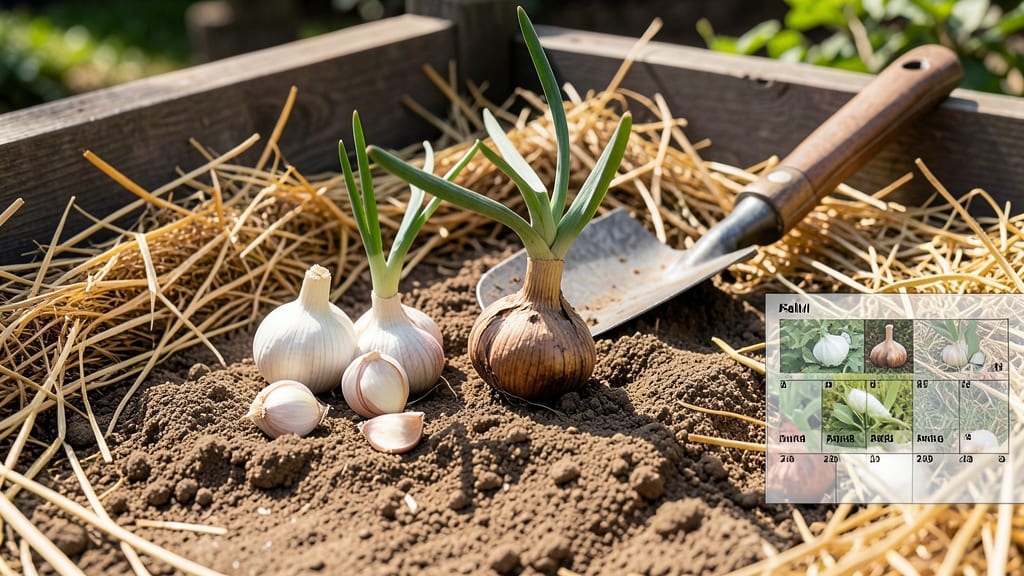
Planting garlic bulbs at the wrong time in Zone 5 can mean the difference between a bumper crop and a total failure—yet most gardeners get this critical timing wrong. The key to growing 🧄 successfully lies in understanding your hardiness zone's frost patterns, because Zone 5's unpredictable weather demands precision.
When to plant garlic bulbs in Zone 5 isn't just about the calendar—it's about soil temperature and frost dates. Planting too early risks rot, while waiting too long stunts bulb development.
The secret is mastering the '60-day rule' for optimal harvest size, which means timing your planting just right for your specific microclimate.
Whether you're a first-time planter or a seasoned gardener, getting this right will give you the best chance at flavorful, hardy garlic. I'll walk you through the exact windows, variety recommendations, and pro tips to maximize your yield—so you can enjoy homegrown garlic that rivals anything from the store.
Let's dive into the ideal planting schedule for Zone 5, including how to adjust for early or late winters, and what varieties perform best in your climate. You'll learn everything you need to know to make this season your most successful yet.
Zone 5 garlic planting timeline: exact months and frost-based rules
Garlic in Zone 5 follows a strict frost-based schedule—plant too early, and your bulbs rot; too late, and they won’t mature properly. The key is timing your planting so the cloves experience 60 days of cold vernalization (below 40°F) before actively growing in spring.
This cold period is what triggers bulb formation, and Zone 5’s variable winters make it tricky to nail.
Most Zone 5 gardeners plant garlic in fall (October–November), but spring planting is possible if you miss the window.
The difference? Hardneck varieties (like Music or German White) need that cold snap to produce scape stems and larger bulbs, while softneck varieties (like Silverskin) are more flexible but still benefit from early planting.
| Planting Window | Hardneck Varieties | Softneck Varieties | Key Consideration |
|---|---|---|---|
| Fall Planting (Primary) | October 1–15 (before ground freezes) | October 15–November 1 (warmer tolerance) | Soil temp 40–50°F; bulbs need cold vernalization for 60+ days |
| Spring Planting (Backup) | March 1–15 (after last frost) | April 1–15 (soil >50°F) | Smaller bulbs; risk of bolting if planted too late |
To pinpoint your exact planting window, calculate your average first frost date (usually mid-October in Zone 5) and plant 4–6 weeks before the ground freezes. Use a soil thermometer to confirm temps are between 40–50°F—this is the sweet spot for garlic.
If your winter is unusually early (e.g., frost by October 1), opt for softneck varieties or delay planting until November.
Here’s how to adjust for unpredictable Zone 5 weather: If your area had an early freeze last year, plant hardnecks by October 1 and softnecks by October 15.
For late frosts (e.g., frost doesn’t hit until November 15), you can push planting to mid-November, but bulbs may be smaller. Always prioritize hardnecks for fall planting—they reward patience with larger bulbs and scapes.
The 60-day rule is non-negotiable: Garlic needs 60+ days below 40°F to form bulbs. In Zone 5, this typically happens naturally from December–February, but if you’re in a warmer microclimate (e.g., near a lake), you may need to chill bulbs artificially for 8 weeks before planting.
Store cloves in a paper bag in your fridge’s crisper drawer until ready to plant.
Spring planting is a last-resort option for Zone 5 gardeners who miss the fall window. Plant hardnecks in early March (after the last frost) and softnecks in April, but expect 50% smaller bulbs compared to fall-planted garlic.
The risk of bolting (premature flowering) increases, so choose bolting-resistant varieties like Chesnok Red if you go this route.
Pro tip: Use your local cooperative extension service for hyper-local frost data. Many provide free planting calendars tailored to your county. For example, gardeners in northern Illinois might plant by October 1, while those in southern Ohio could wait until October 15.
This level of precision is what separates average harvests from showstopping garlic bulbs.
Finally, don’t overlook soil preparation—garlic needs well-draining, loose soil to prevent rot. Work in 2–3 inches of compost and avoid fresh manure (it burns cloves). After planting, mulch heavily with straw or leaves to insulate bulbs from frost heave and vole damage.
With the right timing and care, your Zone 5 garlic will be plump, flavorful, and ready to harvest in late July.
5 Cold-hardy garlic varieties that thrive in Zone 5 (and when to plant each)
Zone 5 gardeners know garlic thrives in cold climates—but not all varieties handle our unpredictable winters equally. The right cold-hardy variety paired with precise planting timing can mean the difference between small cloves and plump, flavorful bulbs.
Below are my top 5 Zone 5-proven varieties, each with specific planting deadlines to maximize your harvest.
For Zone 5, fall planting is critical—most varieties need 60 days of cold (vernalization) to form bulbs. Miss this window, and you’ll end up with small, weak cloves or even bolting scapes.
The varieties below are tested for Zone 5 resilience, with hardneck options for scapes and softneck choices for storage.
My top pick for <