
Planting
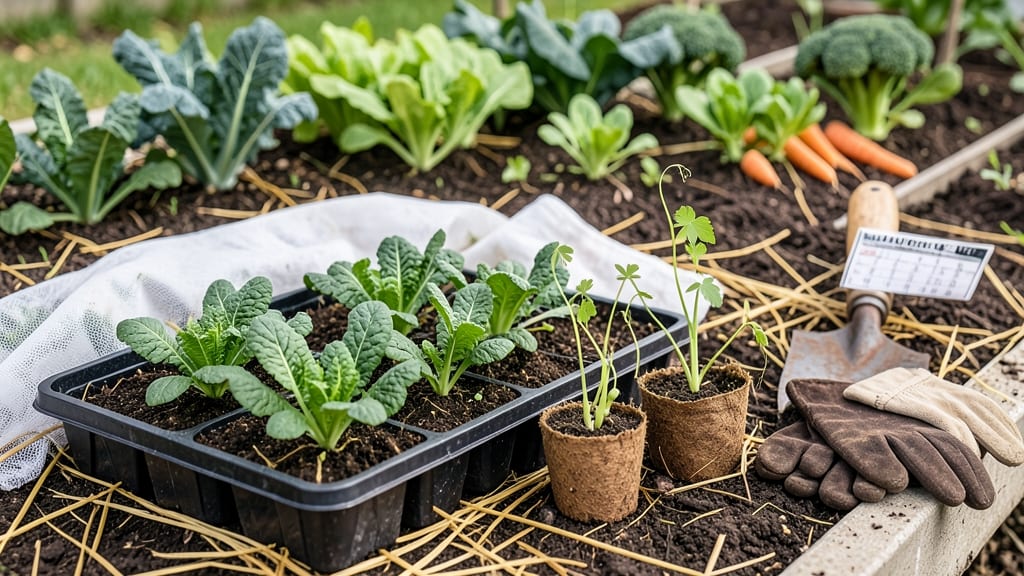
Planting your garden in Upstate New York at the wrong time can mean the difference between a bountiful harvest and wasted effort. With frost dates shifting yearly and microclimates creating unique growing conditions, timing is everything for your 🌱 General Garden Plants.
Whether you're in the Adirondacks or near the Finger Lakes, knowing when to start seeds indoors versus planting directly outdoors is the key to success.
Most gardeners in zones 5b-6b wait until after the last frost—typically mid-April—but that’s just the starting point. Cool-season crops like spinach and peas can handle light frosts, while heat-lovers like tomatoes need warmer soil temperatures.
I’ll show you exactly when to plant each type of General Garden Plants based on your local frost patterns and growing season length.
Don’t let uncertainty hold you back. This guide breaks down the best planting windows for spring, summer, and fall, so you can maximize your garden’s potential.
From soil prep tips to microclimate adjustments, you’ll learn how to align your planting schedule with Upstate NY’s unique climate for zero frost risk and higher yields.
Ready to turn your garden dreams into reality? Let’s dive into the exact months and methods that work best for your region—no guesswork required.
Upstate NY planting zones: when to start seeds indoors vs. direct-sow outdoors
Upstate New York spans USDA Hardiness Zones 4-6, creating unique challenges for gardeners. The Adirondacks often experience later frosts than the Finger Lakes or Mohawk Valley, meaning your planting timeline should match your microclimate.
Whether you're growing tomatoes, peppers, or cool-season greens, knowing when to start seeds indoors vs. direct-sowing outdoors is key to avoiding frost damage and maximizing your harvest.
For Zone 5b (common in the Adirondacks), the average last frost date falls between May 10-15, while Zone 6a (Finger Lakes) typically sees frost-free conditions by May 1-5. The Mohawk Valley sits somewhere in between, with April 25-May 10 as the general window.
These dates shift yearly, so always check local Almanac forecasts or use a frost-free calculator for precision.
Starting seeds indoors gives you a head start, especially for warm-season crops like tomatoes and peppers. For Upstate NY, begin these seeds 6-8 weeks before your last frost date. That means late March to early April for the Finger Lakes and early to mid-April for the Adirondacks.
Cool-season crops like lettuce and spinach can often be direct-sown 4-6 weeks before your last frost, or as early as late March in sheltered areas.
Direct-sowing outdoors is ideal for fast-growing crops like radishes, bush beans, and carrots. These can handle cooler soils and should go in 2-3 weeks before your last frost.
For example, in the Mohawk Valley, that’s around April 15, while the Adirondacks might wait until May 1. Always harden off seedlings for 7-10 days before transplanting to avoid shock.
| Region | USDA Zone | Last Frost Date | Start Indoors (Warm Crops) | Direct-Sow Outdoors |
|---|---|---|---|---|
| Adirondacks | 5b | May 10-15 | Early to mid-April | Late April to early May |
| Finger Lakes | 6a | May 1-5 | Late March to early April | Late March to April 15 |
| Mohawk Valley | 5b-6a | April 25-May 10 | Late March to early April | Mid-April to early May |
Transplanting seedlings outdoors too early is a common mistake in Upstate NY. Wait until soil temperatures reach at least 50°F (10°C) for most vegetables. Use a soil thermometer to check—cooler soils can stunt root growth.
For peppers and eggplants, wait until soil is 60°F (15°C) or warmer, as they’re more sensitive to cold.
If you’re growing perennials like asparagus or rhubarb, plant crowns in early spring (March-April) or early fall (September-October). These hardy plants benefit from being established before the ground freezes.
For cool-season crops like kale and broccoli, you can even direct-sow in late summer (August) for a fall harvest before the first frost.
Don’t forget about succession planting! For crops like lettuce and radishes, sow seeds every 2-3 weeks from spring through early summer to ensure a continuous harvest.
This works especially well in Upstate NY’s shorter growing season. Keep a gardening journal to track your planting dates and note any adjustments for future years.
For heat-loving plants like okra or sweet potatoes, wait until after June 1 to direct-sow, as they need warm soil to germinate. These should be planted in full sun spots with well-draining soil to thrive in Upstate NY’s hot, humid summers.
Mulching with straw or grass clippings helps retain moisture and regulate soil temperature.
Finally, always have a backup plan for late frosts. Use row covers or cloches to protect tender seedlings if a cold snap is forecasted. In the Adirondacks, this happens more frequently, so be extra vigilant.
With these region-specific guidelines, you’ll be well on your way to a thriving Upstate NY garden—no matter where you’re located! 🌱
Microclimate-specific planting calendar: month-by-month for Upstate NY gardens
Upstate New York’s diverse landscapes—from the Adirondack Mountains to the Finger Lakes—create unique microclimates that shift frost dates by weeks. Higher elevations like Lake Placid (Zone 4b) may see frost until June 10, while Syracuse (Zone 6a) often warms up by May 15.
This calendar aligns planting with your local last frost and first frost windows for zero-frost-risk success.
For warm-season crops like tomatoes and peppers, wait until soil reaches 60°F+—typically late May to early June in most areas. Cool-season crops such as spinach and kale thrive in spring (March-April) and fall (August-September), tolerating light frosts.
Perennials like asparagus and rhubarb benefit from early spring planting (March-April) to establish roots before summer heat.
📅 Key Adjustments by Region:
- Adirondacks/Lake Placid: Delay warm crops until June 1 due to later frosts.
- Finger Lakes/Syracuse: Plant warm crops by May 20 for full-season growth.
- Mohawk Valley: April 15 is safe for cool crops; warm crops by May 10.
| Month | Warm-Season Crops (Tomatoes, Peppers) | Cool-Season Crops (Lettuce, Spinach) | Perennials (Asparagus, Rhubarb) |
|---|---|---|---|
| March | Start indoors (6-8 weeks before last frost) | Direct-sow outdoors (hardy varieties) | Plant crowns 4" deep (soil 40°F+) |
| April | Transplant seedlings after frost (soil 55°F+) | Succession plant every 2 weeks | Mulch to protect from late frosts |
| May | Direct-sow after last frost (soil 60°F+) | Harvest spring crops; avoid bolting | Water deeply to establish roots |
| June | Full growth; stake tomatoes, prune peppers | Plant fall varieties for harvest | Fertilize lightly (10-10-10) |
| July-August | Harvest peak production; watch for pests | Avoid planting (too hot) | Mulch to retain moisture |
| September | Plant cold-hardy varieties (e.g., kale) | Succession plant for fall harvest | No new planting; protect from early frost |
Use row covers to extend warm-season planting into early June in colder microclimates. For perennials, focus on soil prep in early spring—amend with compost and well-rotted manure to boost fertility. Succession planting every 2-3 weeks ensures a steady harvest of cool-season greens like spinach and arugula.
Monitor local weather forecasts for frost advisories—even in June, pockets of Lake Placid can drop below 32°F.
Protect tender plants with frost cloth or move pots indoors. Perennials like lavender and Russian sage thrive when planted in full sun by May 1, while herbs such as basil need consistent warmth to germinate.
By aligning your planting with these microclimate-specific windows, you’ll maximize yields and minimize frost-related setbacks. Start with cool-season crops in March, transition to warm-season staples in May, and replant for fall harvests in August. Happy gardening! 🌱