
Plants
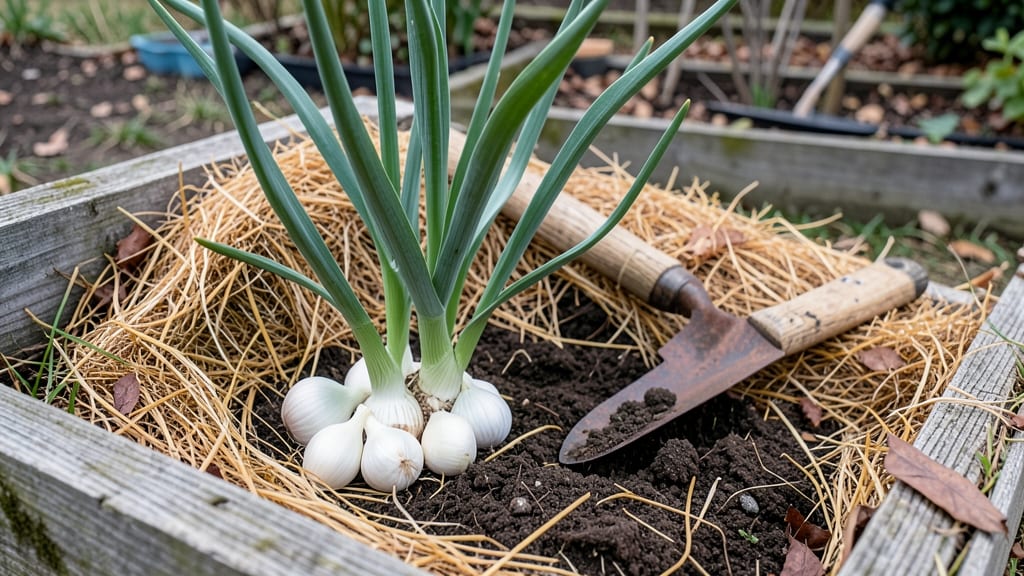
Planting garlic in Upstate New York isn’t just about timing—it’s about catching that sweet spot between frost and soil freeze to grow plump, flavorful bulbs. The key? Getting those cloves into the ground between mid-October and early November, when temperatures dip but the soil stays workable.
Skip this window, and you risk stunted growth or even total crop failure, especially in zones 5b-6b where winters can be unforgiving.
I’ve learned the hard way that rushing garlic into cold soil or waiting too late can turn your harvest into a gamble. The secret lies in understanding how Upstate New York’s climate—with its early frosts and snowy winters—affects garlic’s dormancy period.
With the right approach, you’ll set your garlic up for success, ensuring those 🧄 bulbs mature just in time for summer cooking.
What makes this even trickier is adjusting for regional microclimates, like the colder Adirondacks versus the slightly milder Finger Lakes. But don’t worry—I’ll break down exactly how to fine-tune your planting schedule, whether you’re a first-time gardener or a seasoned grower looking to boost yields.
Ready to master the art of garlic planting in Upstate New York?
In this guide, you’ll discover the exact months to plant, how to prep your soil, and the simple steps to protect your garlic through winter. By the end, you’ll know exactly when to plant for the biggest, most flavorful harvest possible—no guesswork required.
Best planting months for hardneck garlic in Upstate New York’s climate zones
Upstate New York’s USDA zones 5b-6b create unique challenges for growing hardneck garlic. The key to success lies in planting during the 4-6 weeks before the ground freezes, typically between mid-October and early November.
This timing ensures garlic cloves establish roots before winter dormancy while avoiding early sprouting that can lead to winter heaving or poor bulb formation.
For Upstate NY’s climate, hardneck varieties like 'Music' or 'German White' thrive when planted in October, allowing them to develop strong root systems before the first hard frost. Planting too early (September) risks premature sprouting, while waiting until December leaves cloves vulnerable to winter kill.
The soil temperature threshold for planting is 40-50°F—critical for root establishment before freezing.
Here’s a quick reference for planting timing across Upstate NY’s microclimates:
| Zone | Ideal Planting Window | Soil Temp Threshold | Key Consideration |
|---|---|---|---|
| 5b (e.g., Adirondacks) | Late October - Early November | 40-45°F | Shorter growing season; prioritize early-maturing varieties |
| 6a (e.g., Finger Lakes) | Mid-October - Late October | 45-50°F | Longer frost-free period; can extend window slightly |
| 6b (e.g., Western NY) | Early October - Mid-October | 50°F+ | Warmer microclimates; plant earlier for larger bulbs |
| All Zones | Avoid after November 15 | N/A | Risk of winter heaving increases |
In USDA zone 5b (common in the Adirondacks), aim for late October planting to avoid early frosts that can damage young cloves. For zone 6a/6b (Finger Lakes, Western NY), you have a slightly longer window—mid-October to early November.
The soil temperature is your best guide: once it drops below 40°F, cloves struggle to root properly.
Pro tip: Use a soil thermometer to confirm readiness. If temperatures hover around 50°F, it’s safe to plant. For early varieties like 'Silverskin', you can push the window to late September, but monitor for sprouting.
Late varieties (e.g., 'German Red') should wait until mid-October to prevent winter damage.
Upstate NY’s first frost dates typically arrive in mid-October, but planting 4-6 weeks before ensures garlic establishes roots before dormancy. For example, if your area’s average first frost is October 15, plant by September 15-20.
Adjust for early vs. late varieties: early types need the full window, while late types can tolerate slightly later planting.
One common mistake is planting too close to winter. If you wait until December, cloves may not root deeply enough to survive freeze-thaw cycles, leading to winter heaving (bulbs pushing out of soil).
Always plant 2 inches deep with the pointed end up and space cloves 4-6 inches apart for optimal air circulation.
For container growing in Upstate NY, follow the same timing but use well-draining pots and plant in October. Containers warm up faster in spring, so you’ll harvest 1-2 weeks earlier than in-ground garlic. Just ensure pots are at least 12 inches deep to accommodate root growth.
Finally, mulch heavily (4-6 inches) with straw or leaves after planting to insulate cloves during winter. This protects against temperature fluctuations and prevents soil heaving. Remove mulch in early spring once shoots emerge to allow sunlight for photosynthesis.
By aligning your planting with Upstate NY’s frost timing and soil conditions, you’ll grow larger, flavorful bulbs ready for harvest in late July. The key? Precision timing—neither too early nor too late. 🌱
How to adjust planting dates for Upstate NY’s microclimates
Upstate New York’s diverse geography means garlic planting dates can vary by 10–14 days between regions like the Adirondacks and Finger Lakes. Cooler, higher elevations (like the Adirondacks) need earlier planting, while southern areas (like the Finger Lakes) can wait slightly longer.
Always aim for 4–6 weeks before the first hard frost, but adjust based on soil conditions and snow cover.
Local microclimates also influence soil freeze-thaw cycles. For example, the Mohawk Valley may experience earlier thaws than Catskills due to urban heat islands. Use a soil thermometer to confirm when temperatures drop below 40°F—this signals it’s time to plant.
Snow cover acts as insulation, so areas with heavier snowfall (like the Adirondacks) can plant later without risking winter heaving.
⚠️ WARNING: Common Mistakes That Ruin Garlic Harvests ⚠️
Premature Sprouting
Planting too early (before mid-September) causes cloves to sprout before winter, weakening roots. In USDA Zone 5b (common in the Adirondacks), wait until October 1st to avoid this.
Winter Heaving
Freeze-thaw cycles push bulbs out of soil, exposing them to rodents and frost damage. Mulch with 6+ inches of straw in Zone 6b (like the Finger Lakes) to prevent this.
Ignoring Moon Phases
Planting during a waxing moon (when roots grow faster) can improve bulb size. Check a lunar planting calendar—local Upstate NY gardeners swear by October’s waxing gibbous phase for best results.
For fine-tuning dates, observe local frost patterns. In the Adirondacks, average first frost hits October 15th, so plant by September 25th. In the Finger Lakes, wait until October 5th—the region’s lake effect delays frost slightly.
Use Almanac frost predictors or ask local extension offices for 5-year averages in your specific area.
Soil conditions matter just as much as dates. Test for drainage—garlic hates soggy soil. In clay-heavy areas (like parts of Central NY), amend soil with compost or sand before planting. If your soil stays below 40°F for 4+ weeks, delay planting until temperatures stabilize.
A black plastic mulch can warm soil by 5–10°F, extending your planting window by 7–10 days.
Troubleshoot premature sprouting by storing cloves in the fridge for 1–2 weeks before planting. For winter heaving, use heavy mulch (like straw or leaves) and avoid tilling in spring.
If bulbs emerge too early, cover them with extra mulch or a cloche to protect from frost. Adjust next year’s planting date 3–5 days earlier if you notice consistent issues.
Remember, hardneck garlic thrives on cold winters, so don’t rush planting. The Adirondacks’ colder climate actually produces larger bulbs than the warmer Finger Lakes. By mastering these microclimate adjustments, you’ll grow plump, flavorful garlic that rivals commercial varieties—without the guesswork. Happy planting! 🧄