
Planting
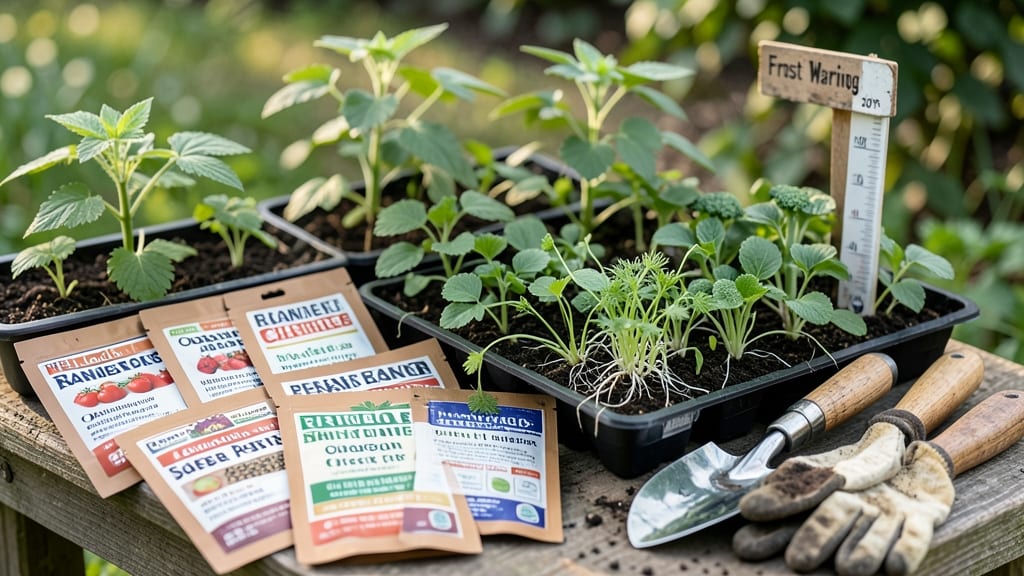
Planting your Oregon garden at the wrong time can mean the difference between a thriving harvest and wasted effort—especially when coastal fog clashes with high-desert heat. The exact timing depends on your elevation zone, but getting it right ensures your 🌱 General Garden thrives from March to October.
Oregon’s 7b-9a zones create microclimates where Portland’s last frost arrives by mid-April, while high-desert areas like Bend might not see their final freeze until late May. That’s why blindly following a one-size-fits-all calendar leads to disappointment.
I’ll break down the precise windows for each region so you can start seeds indoors, transplant outdoors, and extend your growing season without guesswork.
Whether you’re a beginner or a seasoned gardener, knowing when to plant tomatoes in the Willamette Valley (early May) versus peppers in the Rogue Valley (late April) makes all the difference.
We’ll also cover how to adjust for Oregon’s unpredictable weather—like using row covers for coastal delays or protecting high-desert plants from sudden cold snaps.
By the end, you’ll have a customized planting schedule tailored to your exact location, complete with frost date adjustments and crop-specific tips. Let’s make sure your garden starts on the right foot—literally.
Oregon planting zones by elevation: when to start seeds and transplants
Oregon’s diverse elevation zones create wildly different planting windows—coastal areas stay cool and wet while high deserts bake in summer. Understanding these microclimates is key to avoiding frost damage or stunted growth. Whether you're growing tomatoes in Portland or potatoes in Bend, timing matters more than most gardeners realize.
Most Oregon gardeners rely on USDA Zones 7b-9a, but elevation shifts these dramatically. The coastal zone (e.g., Cannon Beach) has longer cool seasons, while high desert (e.g., Bend) can see 100°F+ summers.
Even within the Willamette Valley, a 500-foot elevation gain can delay planting by 2-3 weeks. Let’s break down your options by zone.
Pro Tip: Always check soil temperature (use a soil thermometer) before planting—50°F+ is ideal for most warm-season crops. Coastal soils stay cooler longer, while desert soils heat up faster. Adjust your schedule accordingly!
| Zone | Last Frost | First Frost | Warm-Season Start (Seeds) | Warm-Season Transplant | Cool-Season Plant |
|---|---|---|---|---|---|
| Coastal (e.g., Astoria, Cannon Beach) | May 1-15 | October 15-30 | May 15-June 1 | June 15-July 1 | March 15-April 30 |
| Willamette Valley (e.g., Portland, Eugene) | April 15-May 1 | October 1-November 1 | April 20-May 15 | May 15-June 15 | February 15-April 15 |
| Cascade Foothills (e.g., Hood River) | May 1-15 | September 15-October 1 | May 1-June 1 | June 15-July 1 | March 1-April 15 |
| High Desert (e.g., Bend, La Pine) | May 15-30 | September 1-October 1 | June 1-July 1 | July 15-August 1 | April 1-May 15 |
For warm-season crops like tomatoes and peppers, coastal gardeners should wait until mid-May to start seeds indoors, while high-desert gardeners can begin as early as early June. The Willamette Valley offers a 6-week window for warm-season transplants, but timing is critical—plant too early, and frost will kill seedlings.
Cool-season crops like lettuce and spinach thrive in Oregon’s mild winters. Coastal areas can plant as early as February, while high deserts should wait until April. Perennials like rhubarb and asparagus benefit from early planting—get them in the ground by March in most zones to establish strong roots before summer heat.
Microclimates add another layer of complexity. A south-facing slope in the Cascade foothills may warm up 2 weeks earlier than a shaded valley bottom. Use row covers to extend coastal planting windows or shade cloth to protect high-desert plants from scorching.
Always observe your garden’s unique conditions for 2-3 years to refine your schedule.
One common mistake? Rushing to plant warm-season crops too early. Even in Zone 9a (e.g., Medford), a late frost in April can devastate seedlings. I’ve seen tomato plants fried by 90°F soil in the
How to adjust planting times for Oregon’s unpredictable weather patterns
Oregon’s coastal fog can delay spring planting by weeks, while high-desert heatwaves might scorch tender seedlings in June. Mountain frost pockets can strike even in summer, catching gardeners off guard.
The key to success? Flexible strategies that account for these extremes. I’ve learned to adjust planting times using soil temperature, protective covers, and staggered schedules—here’s how.
Start by testing your soil temperature with a simple thermometer. Most vegetables need soil at 50°F (10°C) for germination, but coastal areas may stay cold until late May. In the Willamette Valley, I’ve seen tomato seeds rot when planted too early because of lingering dampness.
Meanwhile, high-desert zones like Bend might be ready by mid-April—so don’t follow a one-size-fits-all calendar.
⚠️ WARNING: Oregon’s Microclimates Can Ruin Your Garden Oregon’s coastal fog (like in Astoria) can delay planting by 3-4 weeks compared to inland areas. High-desert zones (7,000+ ft) may have 100+ frost-free days, while the Willamette Valley averages just 150 days. Mountain frost pockets (e.g., Mount Hood foothills) can drop 20°F overnight even in July. Use this risk-assessment checklist for high-stakes crops:
- Coastal: Wait until May 15 for warm-season crops
- Valley: Plant tomatoes after May 1 soil test
- Desert: Start peppers indoors by March 1
- Mountains: Use row covers until June 15
Row covers and cold frames are my secret weapons for extending seasons. In Portland, I’ve used floating row covers to plant lettuce as early as March 1 and cucumbers by April 15. For high-desert gardens, shade cloth (30-50%) protects seedlings from 100°F+ heatwaves. Always secure covers with bricks or stakes—Oregon’s wind can rip them away in seconds.
Succession planting is another game-changer. Instead of betting everything on one planting window, I sow radishes every 2 weeks from March to July.
For broccoli, I plant the first batch in early April, a second in mid-May, and a final one in early August for a fall harvest. This spreads risk and ensures a continuous supply—critical when Oregon’s weather throws curveballs.
For high-value crops like tomatoes or peppers, I use a two-step approach: Start seeds indoors 6-8 weeks before the last frost, then harden them off with cloche protection for the first 10 days outdoors.
In cooler zones, I opt for fast-maturing varieties (e.g., ‘Early Girl’ tomatoes) to beat the first frost. Keep a planting journal to track what works—your notes will become priceless over time.
Finally, monitor local weather forecasts and adjust on the fly. If a heatwave is predicted, move potted plants to shadier spots or mulch heavily. For frost warnings, cover tender plants with old blankets or bubble wrap.
Oregon’s unpredictability means flexibility is your best tool—stay adaptable, and your garden will thrive despite the chaos.