
Planting
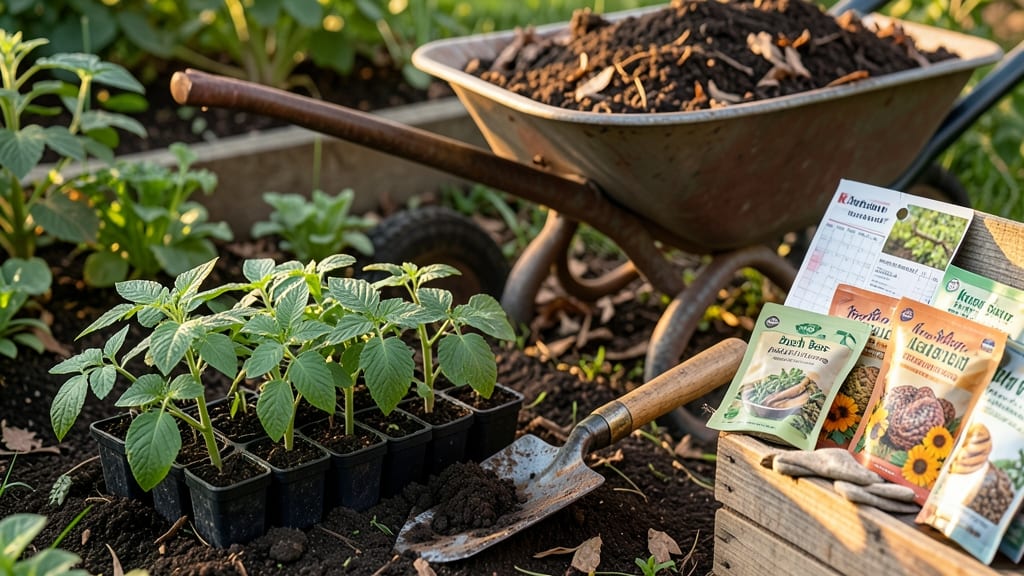
Timing your Kentucky garden just right means the difference between a thriving harvest and wasted seeds—especially when last frost lingers around April 15 in Zone 6A. I’ve learned the hard way that planting too early risks frost damage, while waiting too long can leave you scrambling for summer crops like tomatoes and peppers.
Kentucky’s microclimates add another layer of complexity: the Bluegrass Region warms faster than the Cumberland Plateau, so your neighbor’s perfect schedule might not work for your 🌱 General Garden.
The key is knowing when soil temperatures hit 60°F for warm-season plants and how to adjust for elevation shifts between Louisville and Eastern Kentucky.
In this guide, I’ll break down the exact windows for cool-season crops (think spinach and kale) versus warm-season stars (beans, squash), plus how to use row covers or cold frames to push your planting dates.
Whether you’re a first-timer or a seasoned gardener, these microclimate-smart tips will help you maximize your 165 frost-free days.
Ready to stop guessing and start growing? Let’s dive into the planting calendar that actually works for Kentucky’s diverse zones—so you can enjoy fresh harvests from spring to fall without the stress.
Kentucky planting calendar by zone 6A-7A: exact dates for vegetables, flowers, and herbs
Kentucky’s USDA Zones 6A-7A offer a 165-day frost-free season, giving gardeners a prime window to grow everything from heirloom tomatoes to perennial asparagus. But timing is everything—plant cool-season crops too late, and they’ll bolt; delay warm-season staples too long, and you’ll miss peak harvests.
My exact planting dates below align with Kentucky’s average last frost (April 15) and first frost (October 15), with adjustments for Zone 6A’s cooler highlands and Zone 7A’s milder valleys.
For cool-season crops like spinach and kale, I start seeds indoors by March 1 or sow directly in early March under frost cloth. These hardy greens thrive in 40–60°F soil and can handle light frosts, making them perfect for Kentucky’s spring and fall gardens.
Warm-season tomatoes and peppers, however, need to wait until after May 1—when soil temps hit 60°F+—to avoid stunted growth.
My asparagus crowns go in the ground by April 15 in Zone 6A, while Zone 7A gardeners can plant them as early as March 1. These perennials reward patience—first harvests appear in year 3—so mark your calendar now.
For strawberries, I always add a 3-inch layer of straw mulch in late fall to protect berries from Kentucky’s late frosts.
Succession planting is key for bush beans and lettuce. I sow bush beans every 2 weeks from May 15 to July 1 to ensure a steady supply, while lettuce gets a second planting in late July for a fall harvest.
This strategy maximizes your 165 frost-free days and minimizes wasted space. For squash, I wait until after Memorial Day to avoid cucumber beetles, which thrive in Kentucky’s humid summers.
Don’t overlook herbs like basil, which I start indoors by March 15 and transplant after May 1.
Basil bolts quickly in Kentucky’s heat, so I harvest leaves regularly and provide afternoon shade in July. Cilantro, on the other hand, bolts in warmth—plant it in early spring or late summer for the best results.
For flowers, marigolds and zinnias are my go-tos; I direct-sow them in late April for continuous blooms through October.
How Kentucky microclimates affect your planting schedule: mountain vs. valley timing
Kentucky’s mountain valleys and high-elevation plateaus create dramatic differences in planting windows. In Zone 6A areas like Eastern Kentucky’s Cumberland Mountains, last frost dates can arrive 2-3 weeks later than Louisville’s Zone 7A.
This means your tomato seeds might thrive in May in the Bluegrass but need to wait until June in the Appalachians.
Understanding these microclimate shifts helps you avoid frost damage to tender seedlings. For example, my pepper plants in Lexington (Zone 7A) get planted by April 15, while my mountain garden in Harlan (Zone 6A) waits until May 1. The 10°F temperature drop at higher elevations changes everything.
Soil warming is another critical factor. In valleys, black plastic mulch raises soil temps by 5-10°F faster than mountain soils. I’ve seen cucumber seeds germinate in 5 days with mulch in Louisville, but take 10+ days without it in Pike County. Use a soil thermometer to confirm 60°F+ for warm-season crops.
| Factor | Zone 6A (Mountains) | Zone 7A (Valleys) |
|---|---|---|
| Last Frost Date | April 25-May 5 | April 1-May 1 |
| First Frost Date | October 10-20 | October 20-November 5 |
| Warm-Season Planting | May 15-June 1 | April 15-May 15 |
| Cool-Season Planting | March 15-April 15 | March 1-April 10 |
| Soil Warming Trick | Black plastic + row covers | Clear plastic tunnels |
| Frost Protection | Row covers, cold frames | Lightweight row covers |
For mountain gardeners, focus on early spring crops like spinach and peas planted by March 1. In valleys, you can push warm-season crops like okra and sweet potatoes 2 weeks earlier. My blueberry bushes in Zone 6A need winter protection, while my valley bushes thrive without it.
Use local weather patterns to your advantage. Western Kentucky’s rain shadow creates drier conditions—ideal for drought-tolerant plants like lavender. Meanwhile, Eastern Kentucky’s higher humidity suits moisture-loving plants like hostas. Adjust irrigation accordingly to match your microclimate’s natural moisture levels.
Extend your growing season by 6-8 weeks with simple tricks: Use cold frames in mountains to protect late-season greens, or plant fast-maturing varieties in valleys for continuous harvests. My kale in Lexington produces until December, while mountain kale stops by November 15.