
Planting
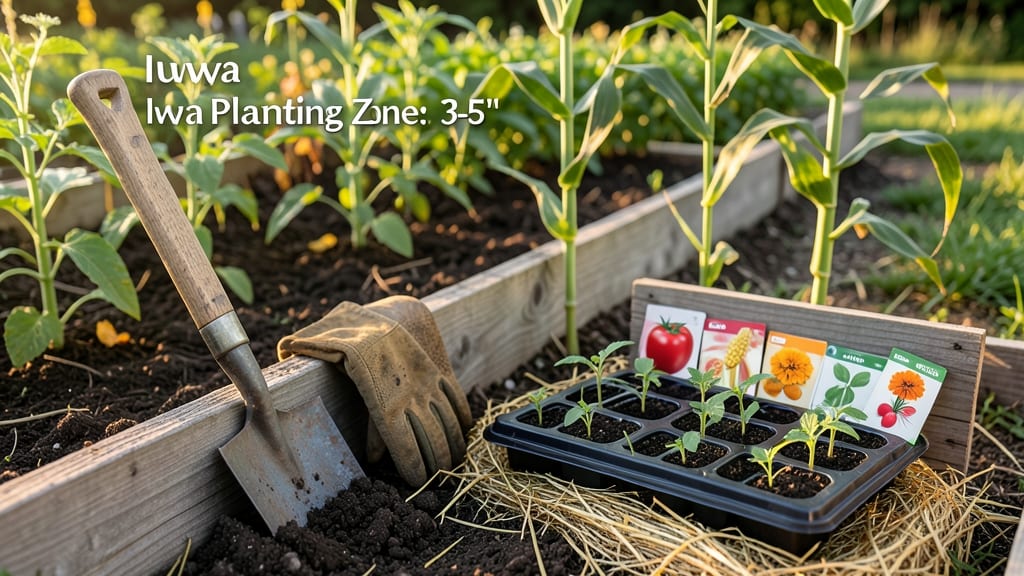
Timing your garden planting in Iowa can mean the difference between a bumper crop and a sad, frost-nipped failure—especially when those last frosts sneak in like uninvited guests. With USDA zones 5a-5b and unpredictable weather, knowing exactly when to plant your 🌱 General Garden Plants is the key to success.
Most gardeners in Iowa start sowing cool-season crops like peas and spinach by April 15, but warm-weather favorites like tomatoes and peppers need to wait until after the last frost—usually around May 15.
Missing these windows can leave your plants struggling or worse, wiped out by a late freeze.
Don’t guess—use Iowa’s proven planting timelines to match your county’s frost dates. Whether you’re starting seeds indoors or transplanting seedlings, I’ll show you how to align your schedule with nature’s calendar for a thriving garden.
From early spring starts to fall planting, you’ll learn the exact weeks to sow, transplant, and even adjust for Iowa’s tricky weather patterns. Let’s get those seeds in the ground at the perfect time!
Iowa’s frost-free planting zones: exact weeks by county for seed starting & transplanting
Iowa’s USDA Zones 5a and 5b create a delicate balance for gardeners, where last frost dates can vary by 2-3 weeks between northern and southern counties. Knowing your exact planting window means the difference between a bountiful harvest and wasted seeds.
I’ve compiled 2023-2024 data from Iowa State University Extension to give you precise county-specific timelines for both cool-season crops (like spinach and peas) and warm-season staples (tomatoes, peppers).
For cold-hardy crops, plant seeds 4-6 weeks before your average last frost date—this gives them time to establish roots before warmer weather arrives. Meanwhile, warm-season plants need soil temperatures of at least 60°F, so wait 2-3 weeks after your last frost to transplant seedlings.
Below, I’ve broken down these timelines by county, so you can plan with confidence.
Pro Tip: Use a soil thermometer to verify warmth before planting warm-season crops. Even if frost dates suggest it’s safe, cold soil can stunt growth. For example, tomatoes planted in 50°F soil may take twice as long to thrive compared to 65°F soil.
| County | USDA Zone | Avg Last Frost | Cool-Season Start | Warm-Season Start |
|---|---|---|---|---|
| Lyon | 5a | May 5 | March 20 | May 25 |
| Pocahontas | 5a | May 1 | March 15 | May 20 |
| Dubuque | 5b | April 25 | March 1 | May 15 |
| Polk | 5b | April 30 | February 25 | May 20 |
| Sioux | 5a | May 10 | March 25 | May 30 |
| Story | 5b | April 28 | February 28 | May 18 |
Notice how Dubuque and Polk counties have earlier last frost dates than Lyon or Sioux? This is why microclimates matter—even within the same USDA zone.
For example, if you’re in Story County, you can start spinach indoors as early as late February, while gardeners in Pocahontas should wait until mid-March.
For warm-season crops, the rule of thumb is to wait until 2-3 weeks after your last frost date. This ensures soil has warmed enough to support tomatoes, peppers, and cucumbers.
For instance, in Sioux County, you wouldn’t transplant seedlings until May 30, even if frost is no longer a threat. Use a clear plastic mulch to accelerate soil warming by 2-3°F per day if you’re eager to get started.
Don’t forget about fall planting! Many gardeners overlook the second planting season, but cool-season crops like kale, carrots, and radishes thrive when sown in late summer. Aim to plant these
How to adjust planting dates for Iowa’s unpredictable weather patterns (and avoid common mistakes)
Iowa’s weather can flip from 60°F sunshine to 30°F frost faster than you can say "garden party." That’s why I’ve learned to trust two key rules when adjusting planting dates: the 10-day forecast rule and soil temperature checks.
These methods help me avoid the heartbreak of frost-killed seedlings or wasted seed packets. For example, Dubuque’s last frost typically arrives 2 weeks earlier than Sioux City’s, so I plant cool crops like spinach in early April up north but wait until mid-April down south.
Start by checking your local 10-day forecast—not just the weekend outlook. I look for three consecutive nights above 35°F before planting cool-season crops like peas or lettuce.
For warm-season crops such as tomatoes or peppers, I wait until the forecast shows soil temperatures consistently above 60°F for at least 5 days. Pro tip: Use a soil thermometer (they’re cheap!) to confirm.
I’ve had false springs trick me into planting too early, only to have a late frost wipe out my cucumber seedlings.
⚠️ False Spring Trap!
Iowa’s false springs are notorious—warm spells in March can fool you into planting warm-season crops too soon. Never plant tomatoes, peppers, or beans before May 1 in most of Iowa, even if it feels like summer. Backup dates are your safety net: If you miss the ideal window, Dubuque can try again in early June, while Sioux City may need to wait until mid-June.
Extend your season with row covers or cold frames. I use floating row covers to protect broccoli and kale until late April, adding 2-3 weeks to my growing season. For late fall, low tunnels let me harvest spinach until Thanksgiving!
Here’s how I adjust for Iowa’s regional differences. In northeast Iowa (like Dubuque), I start cool crops indoors by March 15 and transplant hardy greens by April 1. But in southwest Iowa (like Sioux City), I hold off until April 15 for the same crops.
For warm crops, I use black plastic mulch to warm soil faster—this lets me plant tomatoes 10 days earlier than without it.
Don’t forget about succession planting! I sow radishes every 2 weeks from April to July to ensure a steady harvest. For slow growers like carrots or onions, I make my last planting by June 15 to give them enough time to mature before frost.
I’ve learned the hard way that July plantings of cabbage rarely have time to bulk up before October’s first frost.
When in doubt, I turn to Iowa State Extension’s frost date maps (they’re free and county-specific). For example, Des Moines averages its last frost on April 20, but 2023’s was May 5. That’s why I always have backup seeds ready for late starts.
And if you’re new to gardening, start with fast-growing crops like bush beans or radishes—they’ll give you confidence while you master Iowa’s unpredictable timing.
Finally, keep a gardening journal to track your own local adjustments. Note when you plant, when frost hits, and which crops thrive (or fail) in your microclimate. After 3 years of records, you’ll spot patterns that even the USDA zone maps miss.
Happy planting—just remember, patience and preparation are your best tools against Iowa’s weather whims! 🌱