
Planting
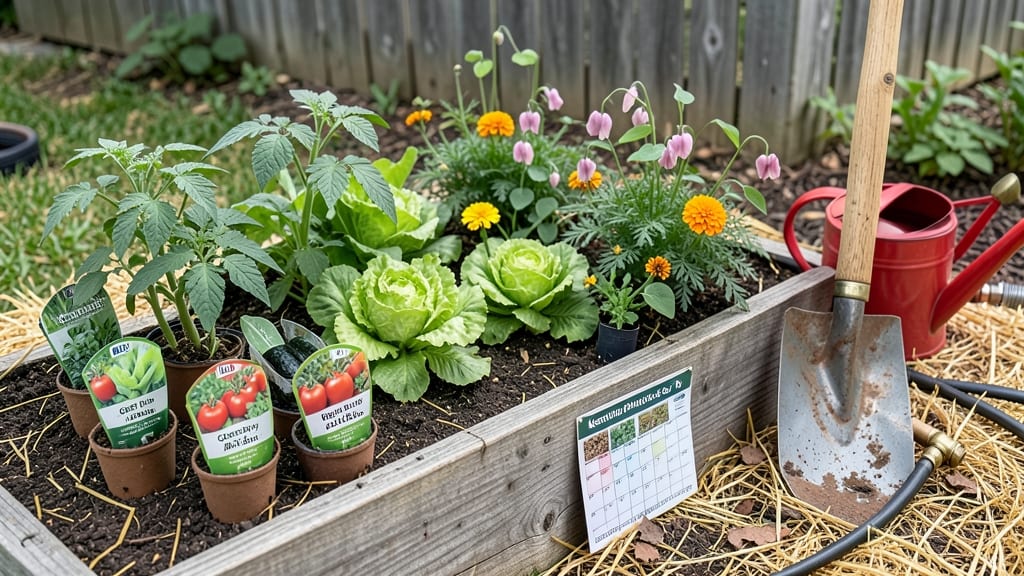
When to plant a garden in Kentucky is the difference between a bountiful harvest and a sad pile of frost-killed seedlings—especially when the last frost can swing from mid-April in Lexington to early May in Bowling Green. If you’ve ever watched your hard work turn to ice overnight, you know how critical those planting windows truly are for USDA Zones 6a-7a.
I’ve spent years perfecting my schedule, and the key isn’t guessing—it’s aligning your seeds with Kentucky’s 165 frost-free days, from March’s cool-season starts to September’s fall replants.
Whether you’re dreaming of crisp lettuce in April or tomatoes by July, missing these deadlines means missing out on peak flavor and yield.
Here’s what you’ll discover: the exact spring and fall planting dates for your region, how to protect tender starts from late frosts, and which crops thrive when planted early versus late. Let’s turn your garden from a gamble into a guaranteed success.
No more second-guessing—just proven strategies to make every seed you plant count. Ready to dig in?
Kentucky’s last frost dates by region: USDA Zone 6 vs. 7 planting timelines
Kentucky’s last frost dates vary dramatically between USDA Zone 6 (northern regions) and Zone 7 (southern areas), making precise timing critical for your garden’s success.
In Zone 6 (e.g., Louisville), the average last frost occurs around April 15, while Zone 7 (e.g., Bowling Green) typically warms up by March 25. These dates mark the safe window to plant warm-season crops like tomatoes and peppers outdoors.
For cool-season crops (e.g., lettuce, spinach, kale), you can start seeds 4-6 weeks before your last frost date. In Zone 6, that means sowing indoors by early March, while Zone 7 gardeners can begin as early as late February.
Hardening off seedlings is essential—expose them to outdoor conditions gradually over 7-10 days before transplanting.
Microclimates play a huge role in Kentucky. Urban areas like Lexington (Zone 6b) often experience earlier frosts than rural spots due to heat islands. Conversely, southern Kentucky’s higher elevations (e.g., near Corbin) can delay last frosts by 1-2 weeks.
Always check local NOAA frost data or use the UK Extension Planting Calendar for real-time adjustments.
Here’s a quick reference for critical planting deadlines by region, including adjustments for fall planting of warm-season crops before the first frost (typically October 15-30 in Zone 6 and November 1-15 in Zone 7).
Use these dates as a starting point, but always verify with local weather data. The NOAA Climate Data website offers historical frost records for your specific ZIP code, helping you account for unpredictable weather patterns.
For example, 2020’s late April frost in Louisville caught many gardeners off guard—don’t assume past years reflect current trends.
For warm-season crops like tomatoes, peppers, and squash, wait until soil temperatures reach 60°F (use a soil thermometer to check).
In Zone 6, this often means waiting until mid-May, while Zone 7 gardeners can plant by early April. Cold-sensitive plants like cucumbers and eggplants need even warmer soil (70°F) and should be planted 2-3 weeks after your last frost date.
Fall planting is equally time-sensitive. To harvest winter squash or kale before frost, sow seeds 60-90 days before your first frost date. In Zone 6, that means late July for broccoli and early August for spinach.
Use row covers to extend harvests by 2-4 weeks in fall, protecting crops from light frosts (down to 28°F).
Elevation matters too. Areas like Mountain City (Zone 6a) in eastern Kentucky can have last frosts as late as May 1, while lowland regions near Madisonville (Zone 7a) may see frost-free conditions by March 1
How to extend your Kentucky growing season: 5 proven strategies
Kentucky’s USDA Zones 6-7 offer a surprisingly long growing season—if you know how to work with it. The key to maximizing your harvests lies in extending both ends of the season: pushing spring starts earlier and fall harvests later.
With unpredictable frost dates and hot summer spells, these strategies help you beat the clock while keeping costs reasonable.
I’ve tested these methods in my own Louisville garden, and they’ve consistently added 4-6 weeks to my growing windows. Whether you’re dealing with late spring frosts or early fall chills, these tactics will help you grow more without breaking the bank.
Let’s dive into the most effective ways to stretch your Kentucky garden’s potential.
Lightweight fabric that raises temperatures 5-8°F. Perfect for early spring starts and fall protection. Cost: $10-$30 per 100 sq ft.
Heavier than frost cloths, ideal for cool-season crops like lettuce. Extends season by 3-4 weeks in spring/fall. Cost: $20-$50 per 100 sq ft.
DIY or store-bought, raises temps 10-15°F. Great for hardening off seedlings and overwintering greens. Cost: $50-$200.
Stagger plantings every 2-3 weeks for continuous harvests. Works best with fast-growing crops like radishes or lettuce.
Choose drought-resistant and high-heat plants like Okra, Sweet Potatoes, or Black-Eyed Peas for summer success.
My favorite low-cost starter is frost cloths—they’re lightweight, easy to store, and can be reused for years. I use them to protect lettuce and spinach in early spring when temps dip below 35°F.
For fall extensions, I’ve had great luck with row covers on tomatoes and peppers, which often stay productive until mid-October instead of early September.
If you’re willing to invest a little more upfront, cold frames are a game-changer. They’re essentially mini greenhouses that trap heat during the day and release it slowly at night.
I built one from wood and plexiglass for under $100 and now grow kale and carrots through December in my Lexington garden. The trade-off? They require more maintenance than row covers but pay off with longer harvest windows.
For budget-conscious gardeners, succession planting is the simplest way to extend your harvests without extra tools. By planting radishes every 2 weeks from March through July, I’ve doubled my yield while keeping my garden productive all season.
This method also reduces waste since you’re always harvesting something fresh. Pair it with fast-maturing varieties like bush beans or bok choy for maximum efficiency.
Finally, don’t underestimate the power of heat-tolerant plant varieties. Kentucky’s summers can be brutal, with temps often hitting 90°F+. Traditional tomatoes might bolt or develop sun scald, but varieties like ‘Heatmaster’ tomatoes or ‘Cherokee Purple’ peppers thrive in these conditions.
I’ve also had success with Southern Exposure Seed Exchange varieties, which are bred specifically for hot climates.
Start with one or two of these strategies this season, and you’ll notice a dramatic difference in your garden’s productivity. The key is to test what works best for your specific microclimate—whether that’s urban Louisville or rural Western Kentucky. Happy growing! 🌱