
Planting
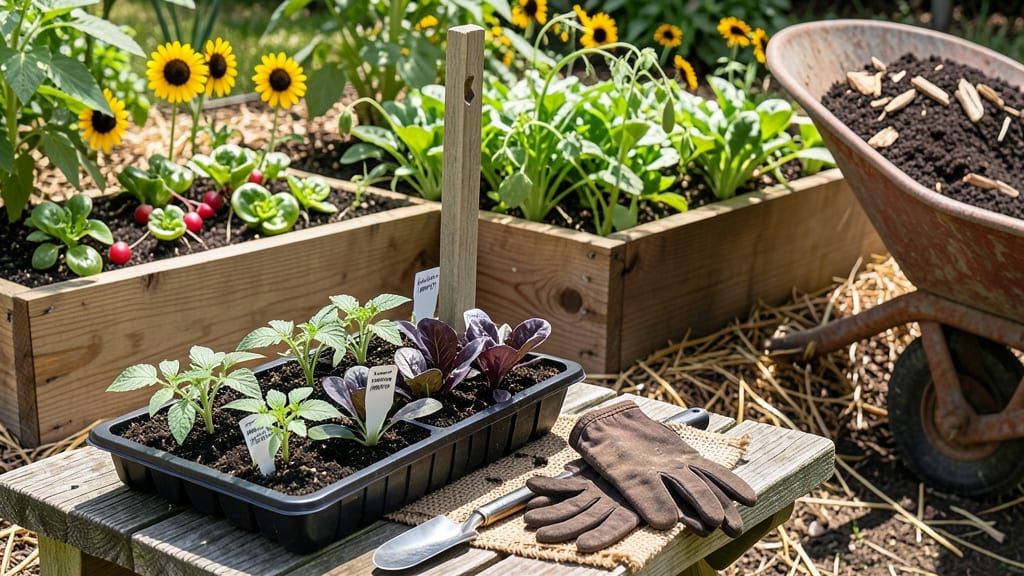
When to plant a garden in East Tennessee can make all the difference between a thriving harvest and frost-killed seedlings—especially with our region's tricky elevation shifts. Whether you're growing tomatoes in Knoxville or blackberries in the Smokies, planting too early or too late throws off your entire growing season.
I’ve spent years tracking frost dates and soil temps across 6a-7a zones, and here’s what I’ve learned: your elevation isn’t just a number—it’s the key to knowing when to plant. Lowland gardens can start in early March, while mountain plots might wait until late April.
Get this wrong, and you’ll either rush crops that need warmth or waste precious spring days on frost-sensitive plants.
This isn’t just about avoiding frozen leaves—it’s about maximizing your garden’s potential. You’ll discover the exact months to plant everything from peas to perennials, plus how to adjust for microclimates like sheltered valleys or sun-baked ridges.
No more guessing: just data-driven timing for a garden that works as hard as you do.
Ready to turn your garden into a year-round success? Let’s break down the science behind East Tennessee’s planting windows so you can start with confidence—and harvest like a pro.
East Tennessee planting calendar by elevation: exact months for frost-free success
East Tennessee’s mountains, valleys, and plateaus create wildly different planting zones—what works in Knoxville (lowland) may fail in Gatlinburg (mountain). The key? Understanding your elevation-based frost dates and adjusting your schedule accordingly.
I’ve broken down the three critical zones to help you avoid frost-killed seedlings or wasted summer heat.
Lowland areas (500–1,500 ft) like Chattanooga and Knoxville enjoy earlier last frost dates (mid-April), while mid-elevation (1,500–3,000 ft) zones like Sevierville see frost linger until early May.
Mountain gardens (3,000+ ft) in places like Cherokee or Cades Cove can’t risk planting until late May—sometimes even June. Let’s dive into the exact months for each zone.
Pro Tip: Use a soil thermometer to confirm 50°F soil temps before planting cool-season crops. This beats guessing frost dates every year!
For lowland gardens, start cool-season crops like lettuce and spinach as early as February under row covers.
By March 15, you can direct-sow peas and radishes, while tomatoes and peppers should wait until after April 15 to avoid frost. Fall planting in lowlands can extend until September 15, giving you time for broccoli and kale before winter sets in.
Mid-elevation gardeners should hold off until April 1 for most vegetable transplants. This zone is tricky because late frosts can still hit in May.
I recommend waiting until May 1 to plant tomatoes and eggplants, even if your neighbors rush in earlier. Fall crops like turnips and beets can go in as late as September 1, but avoid planting warm-season crops after July 15.
Mountain gardens demand patience—wait until May 15 to plant anything except cold-hardy crops like potatoes and cabbage. The shorter growing season means you’ll need to focus on fast-maturing varieties of beans and squash.
Even fall planting must start by July 1 to give crops time to mature before early October frosts.
One critical mistake I see is planting tomatoes too early in high elevations. They’ll linger in the ground waiting for warmth, making them vulnerable to blight and pests.
Instead, choose early-maturing varieties like ‘Mountain Merit’ tomatoes or ‘Early Girl’ for mountain zones. In lowlands, you can afford larger varieties like ‘Celebrity’ or ‘Better Boy’.
Don’t forget about perennials and flowers!
In lowlands, plant daylilies and coneflowers in March or April, while mountain gardeners should wait until May. Bulbs like tulips can go in as early as October in lowlands, but November is safer in higher elevations. Herbs like rosemary and thyme thrive in mountain zones if planted in late spring.
To track your local frost dates, check the National Weather Service or use a frost calendar app. I also recommend planting a test row of radishes in early spring—they’ll bolt in cold, warning you of late frosts.
With this elevation-specific guide, you’ll maximize your garden’s potential and avoid the heartbreak of frost-damaged plants.
Ready to dig in? Start by prepping your soil in February (lowlands) or March (mountains), then follow your zone
Top 5 crops to plant early in East Tennessee (and when to Avoid them)
When I first moved to East Tennessee, I planted tomatoes in early April at 2,500 feet—only to watch them wilt from a late frost. That mistake taught me the hard way that elevation dictates early planting.
The good news? Some crops thrive in our cool springs, while others need to wait. Let’s focus on the top 5 early-season winners and the critical timing mistakes that sabotage gardens.
For lowland gardens (500–1,500 ft), like those in Knoxville or Chattanooga, you can start peas and spinach as early as late February. These cool-loving crops handle light frosts and even sprout under row covers.
But if you’re at 3,000+ feet in the Smokies, wait until mid-April—any earlier, and you’ll risk stunted growth from lingering cold snaps.
Here’s the non-negotiable rule: Never plant tomatoes, peppers, or basil before May 1 in high elevations. These heat-lovers need soil temps above 60°F, and our mountain soils stay chilly well into spring.
I’ve seen gardeners rush these crops and end up with blossom-end rot or leggy, weak plants that never recover.
-
1. Peas (Sugar Snap, Snow)
Plant: Late February–March (lowland) / March–April (mountain)
Avoid: After April 15—they bolt in summer heat. -
2. Spinach (Baby Leaf, Bloomsdale)
Plant: March–April (all elevations)
Avoid: June–July—it goes to seed fast in warmth. -
3. Broccoli (Calabrese, De Cicco)
Plant: March–April (lowland) / April–May (mountain)
Avoid: After May 10—bolting ruins flavor. -
4. Lettuce (Romaine, Butterhead)
Plant: February–March (lowland) / March–April (mountain)
Avoid: Summer—it bolts in 90°F+ temps. -
5. Kale (Lacinato, Red Russian)
Plant: Late February–April (all elevations)
Avoid: None! It thrives in cool weather and even sweetens after frost.
One of the biggest mistakes I see is overcrowding seedlings to save space. I once crammed 20 broccoli plants in a 4x4-foot bed, and by June, they were competing for sunlight and nutrients. Space them properly: 18 inches apart for broccoli, 2–3 inches for peas.
Thin seedlings ruthlessly—it’s worth the effort for larger, healthier plants.
For high-elevation gardens, I recommend starting cool-season crops indoors in February and transplanting after the last frost. Use black plastic mulch to warm the soil faster—it can shave 1–2 weeks off your planting window.
And always check soil temps with a thermometer: 40°F for peas, 50°F for lettuce, 60°F for tomatoes.
Pro tip: Mark your calendar for May 1—that’s your last chance to plant warm-season crops like tomatoes and peppers in the mountains.
Below 1,500 feet, you might squeeze in a June planting, but expect smaller yields. Plan ahead, and your garden will reward you with bountiful harvests all season.