
Trees
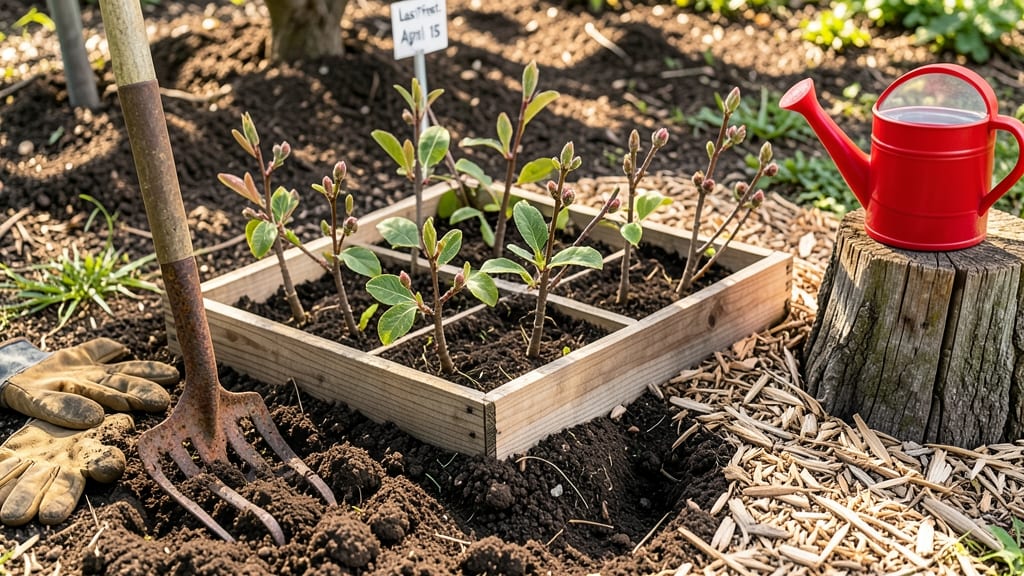
Planting a fruit tree 🍎 in British Columbia at the wrong time could mean frost damage or stunted growth—especially when chill-hour needs clash with your region’s climate. The key is matching your tree’s dormancy requirements with BC’s diverse frost dates, from Vancouver’s mild coastal zone to the Interior’s harsher winters.
Most gardeners in BC’s 6b-8b zones swear by late winter to early spring planting (February–April), but fall works for milder areas like Vancouver. The secret? Timing it right ensures your tree establishes strong roots before the first frost hits—whether that’s mid-November in the Okanagan or mid-March on Vancouver Island.
Why does this matter? Because a well-timed planting means faster fruit production and healthier trees. I’ll break down the exact windows for each BC region, plus the best varieties for your microclimate—so you can avoid common mistakes and get that harvest you’ve been dreaming of.
Ready to dig in? Let’s make sure your fruit tree thrives from day one, no matter where you are in the province.
BC fruit tree planting calendar by chill-hour zones (2024 guide)
British Columbia’s diverse climate means chill-hour requirements dictate the best fruit tree varieties and planting windows for your region. Whether you're in Vancouver Island with high chill hours or the Okanagan Valley with low chill needs, timing is everything.
Planting outside your zone’s optimal dormancy period can lead to poor fruit set or winter damage. Let’s break down the 2024 planting calendar by BC’s three chill-hour zones.
BC is divided into three key chill-hour zones: Low (300-600 hours), Medium (600-900 hours), and High (900+ hours). Each zone supports different fruit tree varieties and has specific planting deadlines.
For example, apples and pears thrive in high-chill zones like Vancouver Island, while peaches and nectarines are better suited for the Okanagan’s low-chill climate. Understanding your zone ensures your trees enter dormancy at the right time, setting the stage for a successful harvest.
Below is a detailed comparison of planting windows, best varieties, and critical dormancy periods for each chill-hour zone. Use this as your guide to plant at the optimal time—whether you’re a seasoned gardener or a first-time fruit tree grower in BC.
In the Low Chill Zone (300-600 hours), such as the Okanagan Valley and Kootenays, focus on stone fruits like peaches and nectarines. These trees need minimal winter chill to break dormancy, making them ideal for BC’s warmest regions.
Plant them in late February to early April to avoid early bud break from warm spells. For example, the variety 'Redhaven Peach' thrives here but requires well-draining soil to prevent root rot during the region’s dry summers.
For the Medium Chill Zone (600-900 hours), which includes parts of the Lower Mainland and Vancouver Island’s southern tip, cherries and pears are excellent choices. These trees handle BC’s milder winters but still need a structured dormancy period from October to February.
Plant in mid-March to mid-April to align with soil warming trends. A standout variety is the 'Stella Cherry', which produces sweet fruit even in cooler microclimates.
In High Chill Zones (900+ hours), like Vancouver Island’s northern coast and the Coast Mountains, traditional apples and pears excel. These trees require a long, cold winter to set fruit, so planting in late March to early May ensures they establish roots before the first frost.
Varieties like 'Gala Apples' or 'Bartlett Pears' are reliable performers. If you’re in a high-rainfall area, prioritize soil drainage to prevent waterlogged roots.
One common mistake is assuming all fruit trees can be planted in fall. While this works in mild zones like Vancouver, it’s risky in colder areas where frost heave can damage young roots.
Stick to spring planting in Low and Medium Chill Zones, and only attempt fall planting in High Chill Zones if your microclimate is reliably frost-free until November.
Pro tip: Use mulch to regulate soil temperature and retain moisture, especially in dry Interior regions. A 3-inch layer of wood chips or straw around your tree’s base can improve survival rates by 30% during BC’s unpredictable winters. Pair this with regular
Critical mistakes to avoid when planting fruit trees in BC’s climate
British Columbia’s diverse climate—from Vancouver’s mild coastal zones to the Okanagan’s hot summers and northern regions’ harsh winters—makes fruit tree planting tricky. Many gardeners rush into planting without considering BC’s chill-hour requirements, soil acidity levels, or microclimates that can drastically affect success.
I’ve seen firsthand how overlooking these factors leads to stunted growth, poor fruit set, or even tree death.
One of the biggest mistakes is planting too early in spring, especially in colder regions like the Interior or Northern BC. Young roots can still be dormant, and late frosts (common until mid-April in many areas) can damage tender new growth.
Even in milder zones like Vancouver, planting before the last frost date risks exposing your tree to unpredictable cold snaps.
Another critical error is ignoring soil pH levels. BC’s natural soils are often acidic (pH 5.0-6.0), but most fruit trees—especially apples, pears, and cherries—thrive in slightly acidic to neutral soil (pH 6.0-7.0).
Without testing and amending your soil, nutrient uptake suffers, leading to weak trees and poor fruit production.
⚠️ BC Planting Timing Pitfalls
❌ Planting too early: Risks frost damage to new growth. Wait until after last frost dates (March 15 for Vancouver, April 15 for Interior).
❌ Ignoring chill hours: Trees like apples need 900+ chill hours (Okanagan) vs. 300-600 hours for low-chill varieties (Vancouver Island).
❌ Skipping soil prep: BC’s acidic soils need lime (for apples) or sulfur (for blueberries). Test pH before planting.
❌ Overlooking microclimates: Urban heat islands (e.g., downtown Vancouver) can push planting dates 2-3 weeks earlier than rural areas.
Many gardeners also overlook rootstock compatibility with their chosen fruit variety. For example, dwarfing rootstocks (like M.9 for apples) are perfect for small spaces but struggle in colder zones. Matching rootstock to your USDA zone (6b-8b in BC) and chill-hour requirements ensures your tree thrives long-term.
Don’t forget about microclimates—even within a city like Vancouver, urban heat islands can create pockets where planting dates shift. A south-facing yard may warm up faster than a shaded area, allowing you to plant 2-3 weeks earlier.
Conversely, coastal wind exposure can delay planting until mid-April to avoid salt spray damage.
To avoid these mistakes, always check last frost dates, test soil pH, and choose varieties suited to your microclimate. With the right prep, your fruit trees will establish strong roots and reward you with abundant harvests for decades. 🍎