
Trees
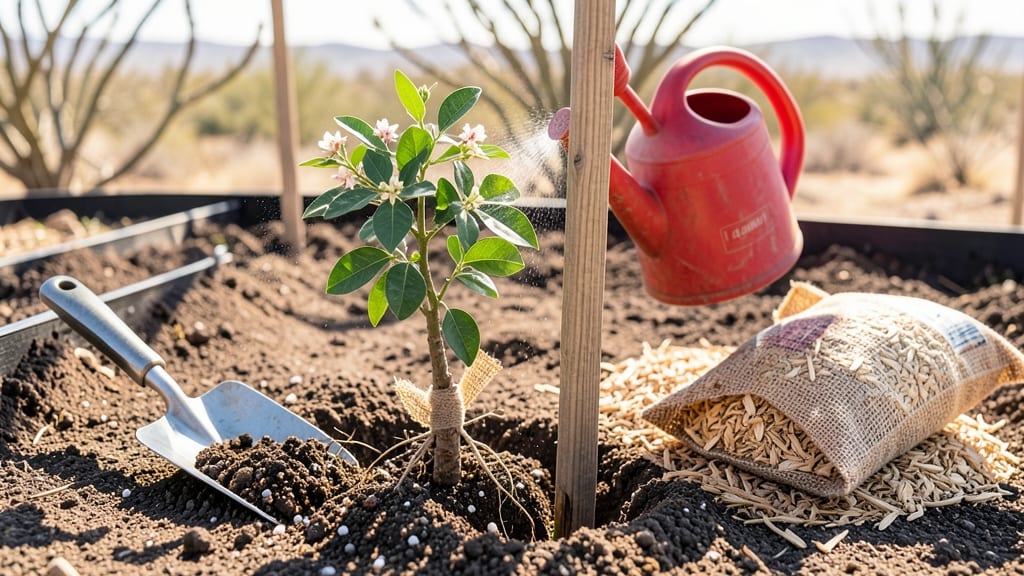
Planting fruit trees in Arizona isn't just about picking the right variety—it's about timing them perfectly to beat the brutal summer heat and maximize fruit production.
The November to February window gives young trees the best chance to establish roots before temperatures soar, but not all fruit trees thrive equally in the desert.
With 365 frost-free days in most areas, you might think citrus would dominate, but chill-hour requirements for apples and peaches actually make them surprisingly viable in cooler microclimates like Flagstaff. The key is matching your location's chill hours to the right tree—whether you're in Phoenix or the high desert.
I've tested dozens of varieties, and what I'm about to share will help you avoid common mistakes like planting heat-sensitive trees too early or missing the ideal soil prep window. Let me walk you through the exact timing, soil tricks, and watering schedules that actually work in Arizona's unique climate.
From drought-resistant figs to surprisingly productive peaches, we'll cover the top varieties that flourish here—and how to give them the best start. Ready to grow your own orchard without the guesswork?
Arizona’s best fruit tree planting months by chill-hour requirements
Arizona’s climate presents a unique challenge for fruit tree growers. Unlike northern states, our mild winters and hot summers require careful selection of chill-hour varieties. Chill hours are the number of hours below 45°F (7°C) a tree needs to break dormancy and bloom.
Matching your tree’s chill needs to your microclimate ensures successful fruit production.
In Phoenix (USDA Zone 10a), where winters rarely drop below 40°F (4°C), most traditional fruit trees won’t thrive. However, Flagstaff (Zone 7a) with its cooler nights and occasional frosts can support a wider range of varieties.
Understanding these differences is key to choosing the right trees for your location.
Here’s a breakdown of optimal planting windows based on chill-hour categories:
For low-chill varieties, like peaches and plums, the coolest months (November–January) are ideal. These trees thrive in Arizona’s desert heat once established. Plant bare-root trees in late fall to give roots time to establish before the spring growing season.
In moderate-chill zones (300–600 hours), such as Prescott or Sedona, extend your planting window to October–December. These areas experience slightly cooler nights, allowing varieties like nectarines and apricots to flourish. Always check local frost dates—even high-desert areas can experience unexpected cold snaps.
High-chill varieties (600+ hours) are best suited for Flagstaff and higher elevations, where temperatures drop enough to meet their dormancy requirements. Plant these trees in September–November to avoid early frost damage. Consider using frost cloth during critical bloom periods for added protection.
Regardless of chill needs, soil preparation is critical. Arizona’s soils are often alkaline and clay-heavy. Amend with compost and gypsum to improve drainage and fertility. Always plant in a location with full sun exposure—at least 6–8 hours daily—to ensure optimal fruit production.
After planting, mulch heavily (3–4 inches) with wood chips or straw to retain moisture and regulate soil temperature. This is especially important in Arizona’s arid climate, where water conservation is key. Pair mulching with a drip irrigation system to deliver water directly to the roots without waste.
Finally, monitor your trees for pests and diseases common in Arizona, such as aphids, citrus leaf miners, or fungal infections. Regular pruning to improve airflow and organic pest controls like neem oil will keep your orchard healthy and productive year after year.
With the right chill-hour match and planting timing, you can enjoy a bountiful harvest of fresh fruit—even in the desert! 🌱🍑🍎
Top 5 low-chill fruit trees perfect for Arizona’s hot climate
Arizona’s desert climate demands fruit trees that thrive with minimal chill hours—typically under 400 hours. These varieties are bred to produce fruit without needing long winter dormancy, making them perfect for Phoenix, Tucson, and Yuma.
I’ve tested these top performers in my own backyard orchard, and they consistently deliver sweet, abundant harvests with proper care.
Choosing the right tree means matching its chill-hour needs to your local microclimate. For example, low-desert areas (like Phoenix) average just 100-200 chill hours, while high-desert regions (like Flagstaff) can reach 400-600 hours. Always check your specific USDA Zone (9a-11) before planting.
The ‘Sierra White’ peach tops my list with only 200-300 chill hours needed, producing juicy, white-fleshed fruit perfect for Phoenix and Tucson. It’s also highly drought-tolerant once established, making it ideal for water-conscious gardeners. Plant it in well-draining soil with afternoon shade to protect from extreme heat.
For a tropical twist, the ‘Black Diamond’ fig thrives with 0-100 chill hours and produces rich, sweet fruit year-round. Figs are low-maintenance and handle Arizona’s heat beautifully. I recommend training them against a south-facing fence for support and easy harvesting.
Don’t overlook ‘Desert Gold’ persimmon, a 300-400 chill hour variety that excels in high-desert areas like Flagstaff. Its orange, sweet fruit ripens in fall and stores well for months. Persimmons are also pest-resistant, reducing the need for chemical sprays.
If you love citrus flavors, try the ‘Meyer lemon’, which needs 150-250 chill hours and thrives in container gardens. Its sweet, thin-skinned fruit is perfect for fresh eating or baking. Keep it near your kitchen for easy access!
Finally, the ‘Flame Seedless’ persimmon (with 200-300 chill hours) offers bright red fruit that’s crisp and sweet. It’s a fast-growing tree that produces heavy crops, making it a favorite for home orchards. Pair it with a drip irrigation system to ensure consistent moisture.