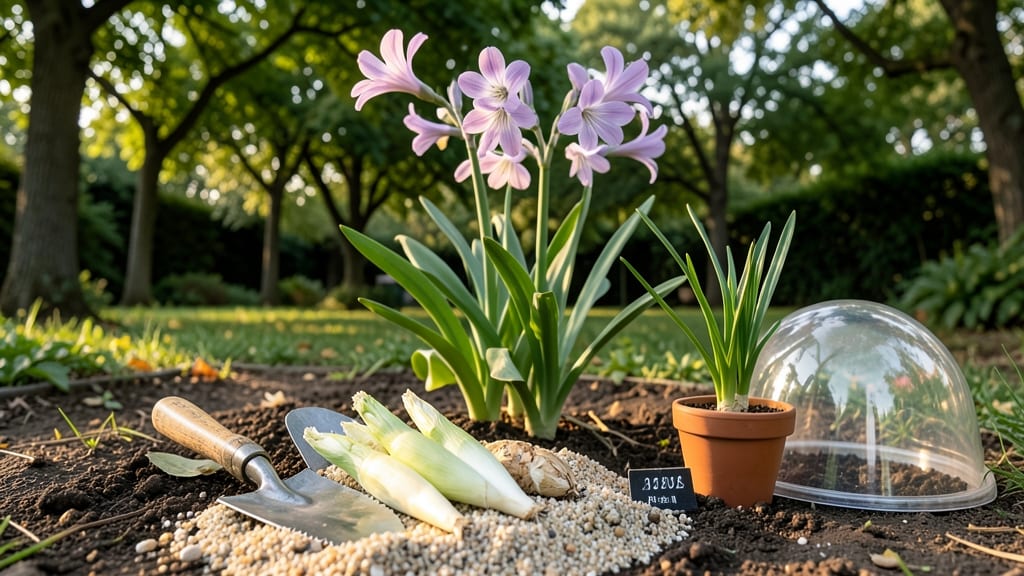
Planting freesias 🌸 in the UK at the wrong time means frost will wreck your chances of those fragrant spring blooms before they even begin.
The key to success lies in knowing exactly when to tuck those delicate bulbs into the soil—typically between September and October—but the perfect window varies wildly depending on where you live.
If you're in milder regions like southern England, you might get away with planting as late as November, while gardeners in Scotland or northern areas should aim for early September to avoid early frosts.
I’ve seen too many beautiful freesias lost to a single cold snap, so let’s break down the frost-free months that matter most for your specific corner of the UK.
Beyond just the month, there are other tricks to ensure your freesias thrive—like choosing the right soil, planting depth, and protecting them from unexpected late frosts. I’ll walk you through everything you need to know to turn your garden into a fragrant paradise next spring, no matter where you’re growing.
Whether you’re a seasoned gardener or just starting out, getting the timing right is the most important step. Let’s make sure your freesias bloom on schedule—and without the heartbreak of frost damage.
Jan
❄️
Feb
❄️
Mar
🌱
Apr
🌱
May
🌸
Jun
☀️
Jul
☀️
Aug
🌱
Sep
🌸
Oct
🌸
Nov
🌱
Dec
❄️
UK planting zones for freesias: frost-free months by region
Freesias (Freesia) thrive in the UK’s mild climate but need precise timing to avoid frost damage. These delicate bulbs require 6-8 weeks of frost-free growth before blooming, making autumn planting critical. The UK’s varied climate—from Scotland’s chilly winters to Cornwall’s mild springs—means your planting window varies by region.
Understanding your last frost date and microclimates (like urban heat islands or coastal winds) ensures your freesias bloom reliably every spring.
For most of the UK, the ideal planting window is September to mid-October, allowing bulbs to establish roots before winter. However, gardeners in colder regions like the Scottish Highlands or Lake District should plant earlier (August-September) to give bulbs extra time to root.
Meanwhile, milder areas like Cornwall or Devon can extend planting until late October without frost risk. Always aim to plant 6-8 weeks before your first frost—this ensures healthy growth before winter dormancy.
Here’s how frost-free months and microclimates affect your planting schedule across the UK:
| Region |
Last Frost Date |
First Frost Date |
Ideal Planting Window |
Microclimate Tips |
| England (South: London, SE) |
Mid-March |
Mid-November |
Late September–mid-October |
Urban areas stay warmer; extend to late October. |
| England (Midlands: Birmingham, Manchester) |
Early April |
Late October |
Early September–early October |
Cooler inland areas; plant earlier to avoid early frosts. |
| England (North: Yorkshire, North East) |
Late March |
Early November |
August–early September |
Cold winters; prioritize early planting and mulch heavily. |
| Scotland (Lowlands: Edinburgh, Glasgow) |
Early April |
Mid-October |
Late August–early September |
Use cloche protection if planting after mid-September. |
| Scotland (Highlands: Inverness, Aberdeen) |
Mid-April |
Late September |
July–early August |
Plant in sheltered microclimates or use greenhouse for overwintering. |
| Wales (South: Cardiff, Swansea) |
Mid-March |
Late October |
Late September–early October |
Coastal areas benefit from milder winters; plant slightly later. |
| Wales (North: Snowdonia) |
Early April |
Early November |
Early September–mid-September |
High-altitude areas; plant in south-facing beds for extra warmth. |
| Northern Ireland (Belfast, Derry) |
Late March |
Early November |
August–early September |
Coastal winds can delay planting; use windbreaks if needed. |
Step-by-step guide to planting freesias for spring blooms
Freesias are elegant spring bloomers that thrive in the UK’s mild climate when planted correctly. The key to abundant flowers lies in autumn planting—after the soil cools but before frost arrives.
In most UK regions, this means September to early October, but timing varies slightly depending on your microclimate.
Before you begin, choose a sunny, sheltered spot with well-draining soil. Freesias hate soggy roots, so amend heavy clay with sand or grit and mix in compost for nutrients. If your garden has poor drainage, consider planting in raised beds or containers with drainage holes.
-
1
Prepare the soil: Loosen the soil to a depth of 6 inches and mix in organic matter like compost or well-rotted manure. Freesias prefer a slightly acidic to neutral pH (6.0-7.0).
-
2
Plant the bulbs: Place bulbs 2 inches deep and 2-3 inches apart in rows. Point the pointy end upward—this ensures proper growth. For containers, use a well-draining mix and plant 3-4 bulbs per 6-inch pot.
-
3
Space for airflow: Leave 6 inches between rows to prevent fungal diseases like botrytis. This also makes it easier to weed and water without disturbing the bulbs.
-
4
Mulch lightly: Apply a 1-inch layer of mulch (like straw or bark) to retain moisture and warmth over winter. Avoid thick mulch—it can cause rot in wet conditions.
-
5
Water sparingly: After planting, give bulbs a deep watering to settle the soil. Then, reduce watering until spring—bulbs need to stay dry in winter to prevent rot.
Once shoots emerge in spring (usually March to April), increase watering to keep the soil moist but not soggy. Freesias love bright, indirect light, so a south-facing border is ideal. If growing in containers, move them to a sheltered spot if frost threatens.
To encourage bigger blooms, feed with a balanced fertilizer (10-10-10) when shoots reach 3 inches tall. Stop fertilizing once flowers appear to promote longevity. Deadhead spent blooms to extend the flowering season and prevent self-seeding.
After flowering, let the foliage die back naturally—this recharges the bulbs for next year. In colder UK regions (e.g., Scotland), lift and store bulbs in dry peat or compost over winter, while milder areas (e.g., Cornwall) can leave them in the ground with extra mulch.
★★★★★4.5(3 reviews)