
Plants
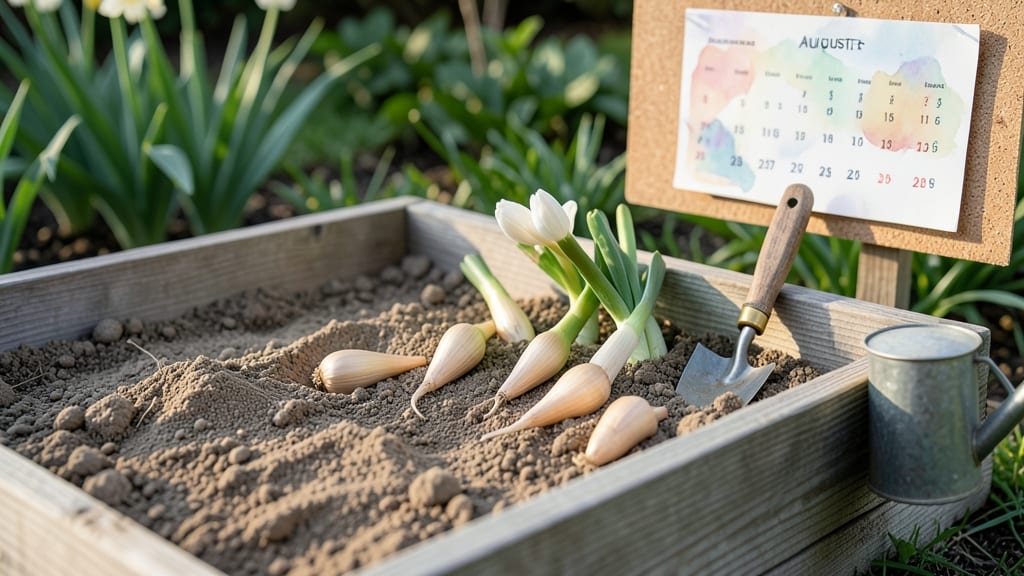
Planting freesia bulbs at the wrong time in Zone 5 can mean missing out on those fragrant, cheerful blooms entirely. The key to vibrant spring flowers lies in getting those 🌸 bulbs in the ground 6-8 weeks before your first frost—typically between late September and early November.
This timing lets freesias establish roots before winter sets in, ensuring they burst into color come May.
Many gardeners assume freesias are perennials, but in Zone 5's colder winters, they actually need annual replanting. That means this fall is your chance to set the stage for next year's garden.
With the right soil prep and planting depth, you'll give your freesias the best possible start—no more wilted petals before they open!
Don't worry if you're new to bulbs—this process is simpler than you think. I'll walk you through everything from soil preparation to post-planting care, including how to adjust for early or late frosts.
By the time spring rolls around, you'll have a border of fragrant blooms that'll make your garden the envy of the neighborhood.
The secret to long-lasting freesia blooms starts now—with proper planting. Let's make sure your Zone 5 garden gets the full benefit of these stunning flowers by doing it right the first time. Ready to transform your fall gardening routine?
Optimal planting weeks before frost for Zone 5 freesia success
In Zone 5, freesia bulbs need precise timing to survive winter and burst into spring blooms. Planting 6-8 weeks before your first frost date (typically mid-October) gives their roots time to establish before cold sets in.
For most Zone 5 areas, this means late September to early October is your ideal window.
Freesias are not cold-hardy and will die if exposed to frost while actively growing. The 6-8 week buffer ensures bulbs develop strong roots before dormancy. In Zone 5a, aim for early September planting, while Zone 5b can wait until late September.
Your exact planting date depends on local frost patterns. Check your average first frost date (usually October 15-30 in Zone 5) and count backward. For example, if frost hits October 20, plant September 1-15 for best results.
Soil temperatures should be below 60°F (15°C) but not freezing when you plant. Use a soil thermometer to confirm—cooler soils slow bulb root growth. If temperatures stay above 60°F too long after planting, bulbs may sprout prematurely and get frost damage.
Early springs in Zone 5 can trick growers into planting too soon. If your spring is unseasonably warm, wait until mid-September even if you're eager. Early planting risks rot or pest issues from prolonged warm, moist soil.
Late springs? No problem. Freesia bulbs can handle light frost if dormant, so you can plant as late as early November in Zone 5b. Just ensure bulbs have 4-6 weeks to root before winter sets in fully.
| Zone 5 Planting Window | Key Temperature Thresholds | Soil Prep Requirements | Adjustments for Early/Late Springs |
|---|---|---|---|
| Zone 5a: Late Aug - Early Sept | Soil: 50-60°F (10-15°C) | Well-draining, sandy loam | Plant earlier if soil warms fast |
| Zone 5b: Early - Mid Sept | Air: Below 60°F (15°C) | pH 6.0-7.0, compost-amended | Delay if spring is late |
| Ideal Months: Sept-Oct | Frost risk: None during growth | 3-4" deep planting depth | Use mulch for late planting |
| Last Chance: Early Nov | Bulb temp: 40-50°F (4-10°C) | Avoid clay or compacted soil | Choose hardier varieties |
Prepare your soil by amending with compost or sand to improve drainage—freesias hate soggy roots. Work in a 2-inch layer of organic matter and loosen the soil to 8 inches deep for optimal root penetration.
If your Zone 5 area has unpredictable frost patterns, consider using row covers or planting in containers. This gives you flexibility to move bulbs indoors if early frost threatens. For in-ground planting, choose sheltered locations like south-facing slopes.
Remember: Freesias are not perennial in Zone 5—they die back after flowering. Plant fresh bulbs each fall for annual spring color. Store leftover bulbs in a cool, dry place over winter if you want to replant next year.
With the right timing and soil prep, your Zone 5 freesias will reward you with fragrant, vibrant blooms from May through June—just in time for late-spring garden parties! 🌸
Step-by-step freesia planting process for Zone 5 gardens
Now that you’ve picked the perfect planting window in Zone 5, let’s dive into the hands-on process. Freesia bulbs are delicate, so precision matters—especially with depth and spacing to prevent rot or overcrowding.
I’ll walk you through every step, including how to troubleshoot common mistakes like planting too deep or skipping soil prep.
Start by selecting healthy freesia bulbs with firm, unblemished skins. Avoid any that feel soft or shriveled, as these won’t survive the winter. For Zone 5, aim for large bulbs (1.5–2 inches in diameter) to ensure stronger blooms next spring.
Store them in a cool, dry place until you’re ready to plant.
- 1 Choose the Right Spot: Select a location with well-draining soil and 6+ hours of sunlight. Freesias hate soggy roots, so raised beds or slopes work best in heavy clay soils.
- 2 Loosen the Soil: Dig a trench 3–4 inches deep (about 2 bulb diameters). Mix in compost or sand to improve drainage. Avoid compacted soil, which causes bulb rot.
- 3 Plant at the Correct Depth: Place bulbs 3–4 inches deep, pointed end up, with 3–4 inches between each bulb. Overcrowding leads to weak stems and fewer flowers. Space rows 6 inches apart for easy maintenance.
- 4 Cover and Water: Backfill with soil, leaving no air pockets. Water deeply to settle the soil and encourage root growth. Avoid overhead watering, which spreads disease.
- 5 Mulch Lightly: Apply a 1-inch layer of mulch (straw or shredded leaves) to insulate bulbs from frost heaves and retain moisture. Avoid thick mulch, which can suffocate bulbs in spring.
- 6 Monitor and Adjust: After planting, check for pests (like slugs) or waterlogging. If soil stays soggy, amend with more compost or plant in containers with drainage holes.
After planting, resist the urge to fertilize—freesias need time to establish roots before they can handle nutrients. Instead, focus on watering lightly every 7–10 days until shoots emerge in spring. Once green growth appears, you can apply a balanced fertilizer (like 5-10-10) to encourage blooms.
Common mistakes to avoid: Planting bulbs too deep (buried >4 inches) or too shallow (<2 inches), which both stunt growth. Also, skip the mulch in Zone 5’s winter if temperatures drop below 10°F, as thick mulch can insulate bulbs too much and cause rot. Instead, use a thin layer and monitor soil moisture.
With these steps, your freesia bulbs will reward you with fragrant, vibrant blooms by late spring—just in time for cutting or enjoying in your garden beds. The key is patience and precision, especially in Zone 5’s unpredictable fall weather.