
Flowers
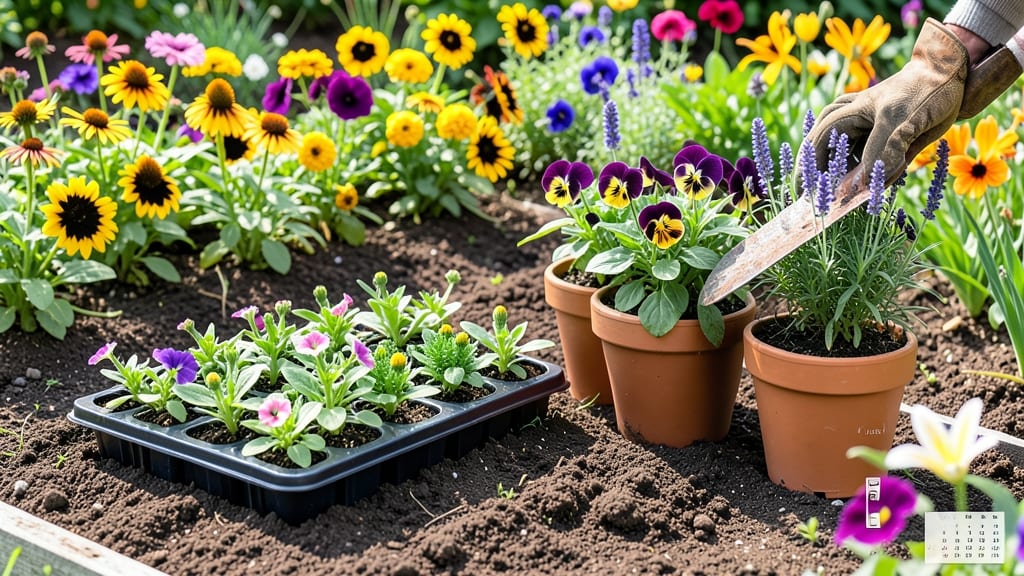
Planting flowers in Zone 7 at the wrong time can mean the difference between a garden bursting with color and one that barely survives.
The key isn't just about dropping seeds in the dirt—it's about reading your climate's cues, like knowing when the soil warms enough for tender blooms or when fall's cooler temps give perennials a fighting chance.
I've learned that Zone 7's 180 frost-free days create a tight window for success, especially for annuals that need 60-90 days to bloom. Miss the mark, and you're either battling frost-nipped petals or watching your plants bolt in the heat.
But get it right, and you'll have flowers like black-eyed Susans and daylilies thriving when most gardens are still waiting for their first blooms.
What if you could skip the guesswork and plant with confidence? That's exactly what this guide will help you do. We'll break down the perfect timing for spring and fall plantings, including how to adjust for your specific microclimate—whether you're dealing with urban heat islands or cooler mountain slopes.
No more second-guessing when to stick that trowel in the soil.
Ready to transform your garden into a showstopper? Let's dive into the month-by-month schedule that'll have your flowers blooming like clockwork, no matter where in Zone 7 you're gardening. Your future self will thank you when the first cosmos opens in early June!
Zone 7 flower planting calendar: month-by-month guide for success
Mastering the Zone 7 planting calendar means knowing your last frost date (April 15) and first frost (October 15). In this mild climate, you can plant spring flowers as early as February for cold-hardy varieties and extend your fall planting until November.
The key is matching each flower’s soil temperature needs—most annuals thrive when soil hits 60°F.
Your Zone 7 garden offers two prime planting windows: spring (March-May) and fall (September-November). Perennials often establish best in early spring, while annuals like petunias need warmer soil. Bulbs like tulips should go in October for spring blooms. Let’s break it down by month to maximize your blooms.
🌱 PRO TIP: Use a soil thermometer to check readiness—60°F is ideal for most seeds, while bulbs prefer 50-55°F. For transplants, wait until nighttime temps stay above 40°F.
| Month | Plant Type | Ideal Flowers | Soil Temp | Action |
|---|---|---|---|---|
| February | Bulbs | Tulips, Daffodils | 40-50°F | Plant spring-blooming bulbs |
| March | Perennials | Daylilies, Coneflowers | 50-55°F | Transplant hardy perennials |
| April | Annuals | Petunias, Marigolds | 60°F+ | Direct-sow warm-season seeds |
| May | Vegetative | Black-Eyed Susans | 65°F+ | Transplant remaining perennials |
| September | Bulbs | Crocuses, Hyacinths | 50-55°F | Plant fall-blooming bulbs |
| October | Annuals | Pansies, Snapdragons | 55°F+ | Sow cold-hardy annuals |
| November | Perennials | Salvia, Lavender | 45°F+ | Divide perennials if needed |
In February, focus on spring-blooming bulbs like tulips and daffodils. Plant them 6-8 weeks before last frost (around March 15) for April-May blooms. This is also the time to divide perennials like daylilies that need refreshing. Avoid planting tender annuals until soil warms.
By March, soil temperatures rise enough for hardy perennials
How to adjust planting times for Zone 7 microclimates and soil conditions
Zone 7's varied microclimates can shift your planting schedule by 2-4 weeks—whether you're in a mountain valley or a city heat island. Even within the same ZIP code, your garden's conditions dictate when to plant annuals, perennials, and bulbs for maximum success.
Ignoring these factors often leads to stunted growth or wasted seed packets.
Soil conditions play an equally critical role. Heavy clay soils stay cold longer, while sandy loam warms up faster in spring. Testing your soil's drainage and temperature before planting can help you adjust timing by 10-14 days—sometimes the difference between thriving blooms and leggy seedlings.
Let's break down how to fine-tune your schedule.
⚠️ Warning: Urban Heat Islands Delay Frost
Cities like Atlanta or Raleigh can experience last frosts 1-2 weeks later than rural areas. Check your local weather station data—not the USDA average—for accurate frost dates. Planting tender annuals like petunias too early in urban zones risks frost damage even if your neighbor's garden thrives.
Start by mapping your garden's microclimates. South-facing slopes warm up 2-3°F faster than north-facing beds, while low-lying areas may hold frost longer. Use a soil thermometer to confirm when your beds reach the ideal planting temperature—typically 60°F for most flowers.
For cool-season crops like pansies, wait until soil hits 50°F.
Improve drainage by amending clay-heavy soils with compost and sand (50/50 mix) before planting. For sandy soils, add organic matter like peat moss to retain moisture. A simple percolation test—pouring 1 inch of water and timing how long it drains—helps determine if your soil needs adjustments.
Well-drained soil lets you plant earlier in spring without risking root rot.
Extend your growing season with row covers or cold frames. These tools can push your last frost date back by 3-4 weeks in spring and delay first frost by 2-3 weeks in fall.
For example, marigolds and zinnias planted under row covers in late February often bloom by Mother's Day—a full month earlier than uncovered plantings. Just remove covers when temps exceed 75°F to avoid overheating.
For bulbs like tulips and daffodils, plant them 6-8 weeks before your first frost—typically October in Zone 7. However, if your soil stays above 60°F into November, delay planting until mid-November to prevent premature sprouting.
Use a moisture meter to ensure soil stays consistently damp (not soggy) until roots establish.
Finally, keep a planting journal to track what works in your specific microclimate. Note which flowers thrive when planted 2 weeks early or late, and adjust future schedules accordingly. With these tweaks, you'll turn Zone 7's challenging conditions into longer bloom seasons and healthier plants. 🌱