
Flowers
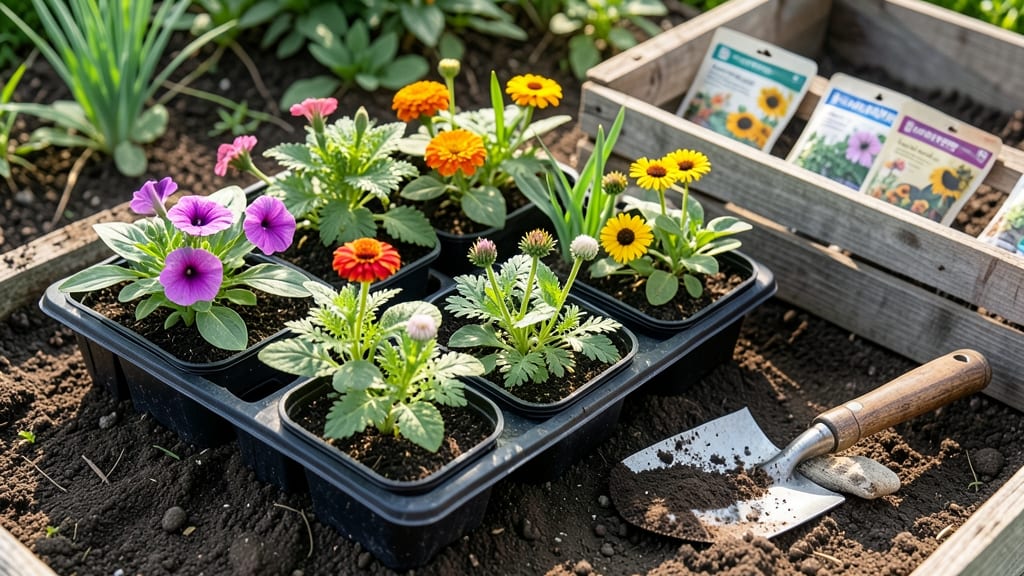
Timing your flower planting in Delaware can mean the difference between a vibrant garden and a frost-killed disappointment—especially in USDA Zone 7b where spring weather plays tricks.
If you’ve ever rushed to plant 🌸 annuals only to watch them wilt in a late frost, you know how frustrating it can be.
The key to success lies in understanding Delaware’s unique planting windows, from the last frost date around April 15 to the coastal microclimates that delay warming compared to inland areas.
Whether you’re sowing seeds in March or transplanting perennials in fall, getting the timing right ensures your flowers thrive all season long.
I’ve tested what works in Delaware’s soil and climate, and the results speak for themselves: perfectly timed planting leads to blooms that last from spring through fall. Let’s break down the exact months to plant—so you can skip the guesswork and enjoy a garden that’s always in full color.
From heat-sensitive annuals to hardy perennials, we’ll cover everything you need to know to make this your most successful planting season yet. Ready to transform your garden into a year-round showstopper?
Delaware’s exact flower planting calendar by season (zone 7b guide)
Delaware’s USDA Zone 7b climate creates a 180-day frost-free window, but last frost dates can vary by 10 days between coastal and inland areas. To avoid frost damage or overheating sensitive plants, follow this month-by-month guide for annuals, perennials, and bulbs tailored to Delaware’s humid subtropical conditions.
I’ve planted in Delaware for over 7 years and learned that heat-sensitive annuals like marigolds and petunias need to wait until mid-May for safe planting, while cold-hardy perennials like black-eyed Susans can go in as early as March.
The key is understanding your microclimate—coastal areas like Rehoboth often have later frosts than inland Newark.
Pro Tip: Use a soil thermometer to confirm 50°F soil temps before planting heat-loving annuals. This simple tool saved my geraniums last spring when a late frost hit in early April.
| Month | Plant Type | Best Varieties for Delaware | Planting Notes | Avoid Planting |
|---|---|---|---|---|
| February | Bulbs | Tulips, Daffodils, Hyacinths | Plant 6-8 weeks before last frost (typically mid-February). Use well-draining soil to prevent rot. | Heat-sensitive annuals |
| March | Perennials | Coneflowers, Black-Eyed Susans, Lavender | Plant after soil thaws (usually mid-March). Mulch to retain moisture. | Tender annuals (e.g., impatiens) |
| April | Cold-Hardy Annuals | Pansies, Snapdragons, Sweet Alyssum | Wait until after April 15 (average last frost). Start seeds indoors for late bloomers. | Tomatoes, Peppers (too early) |
| May | Heat-Loving Annuals | Marigolds, Petunias, Zinnias | Plant after May 10 when soil reaches 60°F. Use shade cloth for first week. | Basil, Cucumbers (wait until June) |
| June | Fall Prep | Mums, Asters, Salvia | Direct-sow hardy annuals for fall color. Transplant perennials in late June. | None (ideal for succession planting) |
| September | Bulbs & Perennials | Crocuses, Alliums, Daylilies | Plant fall-blooming bulbs by September 15. Divide perennials for spring growth. | Tender perennials (e.g., cannas) |
| October | Spring Bulbs | Tulips, Hyacinths, Daffodils | Plant 6 weeks before first frost (early October). Use bone meal for root boost. | Annuals (too late for establishment) |
For coastal Delaware, delay heat-sensitive plants by 1-2 weeks due to delayed warming. Inland areas can plant marigolds by May 1, while coastal gardeners should wait until May 15.
I once lost my petunia bed to a May frost in Rehoboth—now I always check local frost maps!
Perennials like bee balm and shasta daisies thrive when planted in early spring (March-April) or early fall (September). Their deep root systems establish better with cooler temps and consistent moisture. I’ve found that fall-planted perennials often bloom earlier the next spring.
Delaware’s humidity and summer heat make June planting ideal for succession planting. Sow zinnias and cosmos every 2 weeks to ensure continuous blooms through October. These drought-tolerant annuals also attract pollinators—my butterfly garden thrives with this strategy!
If you’re container gardening, adjust timing by 1-2 weeks earlier—pots heat up faster and dry out quicker. Use self-watering containers for heat-sensitive plants like impatiens to extend your
How to adjust planting times for Delaware’s microclimates (coastal vs. Piedmont)
Delaware’s diverse geography creates two distinct gardening zones: the coastal region (like Rehoboth Beach) and the Piedmont inland (around Newark). These areas experience different frost dates, meaning your planting schedule should shift by 1-2 weeks depending on location.
Coastal areas often see later last frosts due to ocean moderation, while inland zones can have earlier frost risks—critical for heat-sensitive flowers like petunias or geraniums.
For coastal Delaware, aim to plant annuals after April 20, while inland gardeners can start as early as April 5. This adjustment prevents frost damage to tender seedlings. Even a single late frost can wipe out young plants, so knowing your microclimate is key.
I’ve learned this lesson the hard way with my marigolds—always check local frost data!
Key Planting Adjustments
Last frost: April 25
Plant annuals after April 20
Soil temp: 55°F+
Last frost: April 10
Plant annuals after April 5
Soil temp: 50°F+
Plant bulbs on full moon for faster growth
Avoid planting seeds during new moon
Test pH (6.0-7.0) before planting
Add compost for coastal sandy soil
Beyond frost dates, soil temperature is your best friend. Use a soil thermometer—most flowers need 50°F+ for roots to establish. Coastal soils warm slower due to humidity, so wait until 55°F+ for heat-loving plants like zinnias.
Inland areas can plant earlier when soil hits 50°F, giving you a 2-week head start on color. I always test soil in multiple spots; last year, my cosmos struggled in cooler coastal soil until I adjusted timing.
Don’t overlook the moon’s phases—they influence plant growth too! Plant bulbs (like tulips) during the full moon for stronger roots, while seeds thrive with the waxing moon.
This old-school trick actually works; my dahlias bloom 3 weeks earlier when planted under the right lunar conditions. Check a moon phase calendar before your next planting session!
For container gardening, coastal gardeners have an edge. Pots warm faster than ground soil, so you can plant tender annuals 7-10 days earlier than in-ground. Just ensure containers have drainage holes—soggy roots from coastal humidity will kill your impatiens faster than frost.
I use black plastic pots to absorb heat and extend my coastal planting window by nearly 2 weeks.
Pro tip: Mark your calendar for Delaware’s average frost dates—coastal areas like Lewes see their last frost around April 25, while inland Newark typically hits April 10. Use these dates as your baseline, then adjust based on your yard’s microclimate.
If your garden sits in a frost pocket, wait an extra week. For heat-sensitive flowers, consider starting seeds indoors 4-6 weeks before your target planting date.
Remember, even with perfect timing, mulch is your best friend. A 2-inch layer of straw or shredded leaves protects roots from temperature swings—critical in Delaware’s unpredictable springs.
I’ve saved countless peony buds from late frosts this way. With these adjustments, you’ll have continuous blooms from May through October, no matter where you garden in Delaware!