
Flowers
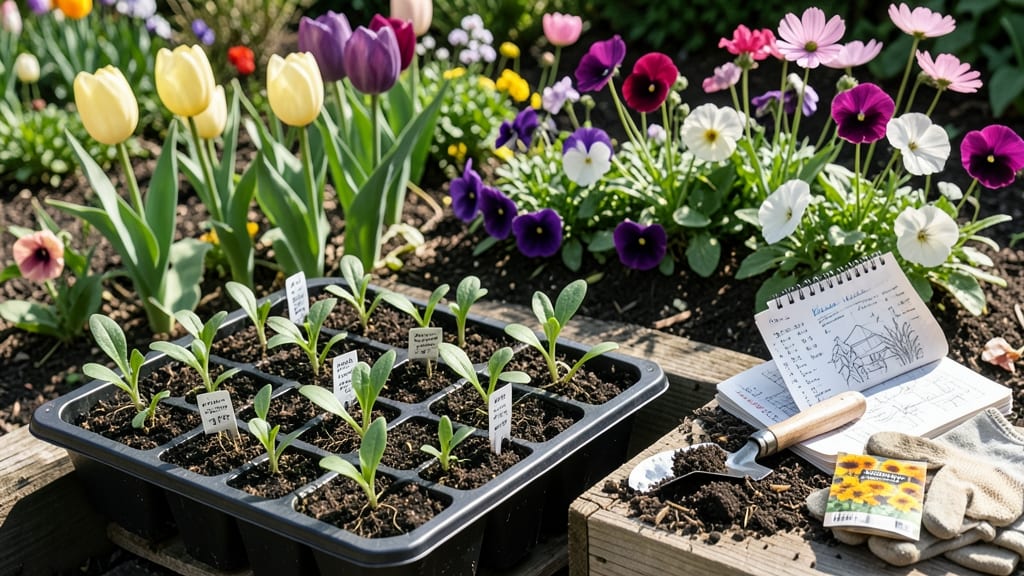
Best planting times for flowers in Zone 5 by variety type
Timing is everything in Zone 5 gardening, where last frost dates can vary by weeks. The key is planting annuals, perennials, and bulbs when soil temperatures and daylight align with their needs.
For most Zone 5 flowers, aim for after April 15 (average last frost) but adjust based on your microclimate. Cold-hardy varieties like pansies and snapdragons can handle cooler soils, while tender geraniums need warmer conditions.
Fall planting is equally critical—4-6 weeks before first frost (typically September-October) gives many flowers time to establish roots before winter. Bulbs like tulips and daffodils should go in the ground by mid-October for best results.
Understanding these windows transforms your garden from a hit-or-miss experiment to a predictable blooming paradise.
Soil temperature is your best guide: most flowers thrive when soil is at least 60°F. Use a soil thermometer to check—cooler soils delay germination and stress young plants. Perennials can often handle slightly cooler conditions, while annuals like marigolds and zinnias need warmth to sprout quickly. Adjust your schedule if spring stays unusually cold.
| Variety Type | Best Planting Window | Soil Temp Requirement | Notes |
|---|---|---|---|
| Cold-Hardy Annuals (Pansies, Snapdragons) | Early spring (March-April) or fall (September) | 45-55°F | Tolerate light frost; great for early color |
| Tender Annuals (Marigolds, Zinnias) | After last frost (May-June) | 60°F+ | Need warm soil; plant after May 15 |
| Perennials (Coneflowers, Black-Eyed Susans) | Early spring (April) or fall (September) | 50-60°F | Establish roots before summer heat |
| Spring-Blooming Bulbs (Tulips, Daffodils) | Fall (September-October) | 50-60°F | Plant 6-8 weeks before ground freezes |
| Fall-Blooming Bulbs (Chrysanthemums, Asters) | Late summer (August-September) | 60°F+ | Need warm soil to sprout before frost |
| Late-Season Annuals (Cosmos, Sunflowers) | Early summer (June) or late summer (August) | 55°F+ | Fast-growing; extend season into fall |
For spring planting, prioritize cold-hardy annuals like pansies and sweet alyssum in March-April. These handle light frosts and provide early color. Wait until after May 15 for tender annuals like geraniums and petunias, as they wilt if exposed to late frosts.
Use row covers if planting early to protect young shoots.
Perennials deserve special attention—they establish roots in their first year, so plant them in early spring (April) or early fall (September). This gives them time to root deeply before summer heat or winter dormancy. Divide perennials like daylilies and hostas in early spring or fall to rejuvenate clumps and encourage vibrant blooms.
Bulbs are a Zone 5 gardener’s secret weapon. Plant spring-blooming bulbs (tulips, daffodils) in fall (September-October) so they chill naturally over winter. Summer-blooming bulbs (dahlias, gladiolas) go in late spring (May-June) after frost danger passes. Label your bulbs—many look identical when dormant!
Don’t overlook fall planting for annuals like cosmos and sunflowers. These fast growers thrive when planted in August, giving them 6-8 weeks of growth before frost. Mulch heavily (3-4 inches) to protect roots from temperature swings and retain moisture.
This tactic extends your bloom season well into October.
Adjust your schedule based on microclimates—south-facing beds warm up faster than north-facing ones. Container gardens heat up quicker too, so plant tender annuals in pots 2-3 weeks earlier than in-ground. Monitor local forecasts and use frost cloth to shield new plants if late frosts threaten. With these strategies
How to extend your Zone 5 flower season with smart planting
Zone 5’s short growing season doesn’t have to mean short-lived blooms. With the right strategies, you can stretch your flower season from early spring to late fall. The key lies in strategic planting, seasonal adjustments, and protective measures that shield tender plants from late frosts.
I’ve learned that even in cooler climates, you can create a garden that blooms almost year-round with minimal effort.
One of the easiest ways to extend your season is by choosing the right flowers. Early bloomers like pansies and violas can handle light frosts, while late-season varieties such as chrysanthemums and asters thrive in cooler temperatures.
Pairing these with succession planting ensures your garden never skips a beat. Let’s explore the tactics that have worked best in my own Zone 5 garden.
- Start early with cold-hardy annuals like pansies and snapdragons—plant them 4-6 weeks before last frost (early April in Zone 5) for spring color.
- Use cold frames or row covers to protect tender perennials like dahlias and canas until soil warms to 55°F+ (typically late May).
- Practice succession planting every 2-3 weeks from May to July for continuous blooms. Try marigolds, zinnias, or cosmos for long-lasting color.
- Plant fall-blooming perennials like mums and sedum in early August to enjoy color until first frost (October-November).
- Extend late-season blooms with frost cloths or mini greenhouses to shield tender annuals like geraniums and petunias past their usual cutoff.
Another game-changer is succession planting. Instead of planting all your annuals at once, stagger them every 2-3 weeks from late spring through early summer. This ensures your garden stays vibrant as older blooms fade.
For example, I plant marigolds in early May, zinnias in late May, and cosmos in early June—this keeps color going until frost.
For late-season extensions, cold frames and row covers are my go-to tools. A simple hoop house with clear plastic can add 2-4 weeks to your growing season. I’ve used them to protect dahlias and canas until soil temperatures rise, giving me an extra month of blooms.
Even a frost cloth draped over tender perennials can make all the difference.
Don’t overlook late-season perennials like sedum and chrysanthemums. These thrive in cooler weather and often bloom right up until frost. Plant them in early August for a fall spectacle that lasts well into October. Pair them with hardy annuals like pansies for a seamless transition from summer to winter.
Finally, mulching and watering adjustments play a huge role. A thick layer of straw or leaves insulates roots, while deep watering in mornings prevents stress. These small tweaks have helped my Zone 5 garden stay lush and colorful for months longer than I ever expected.