
Flowers
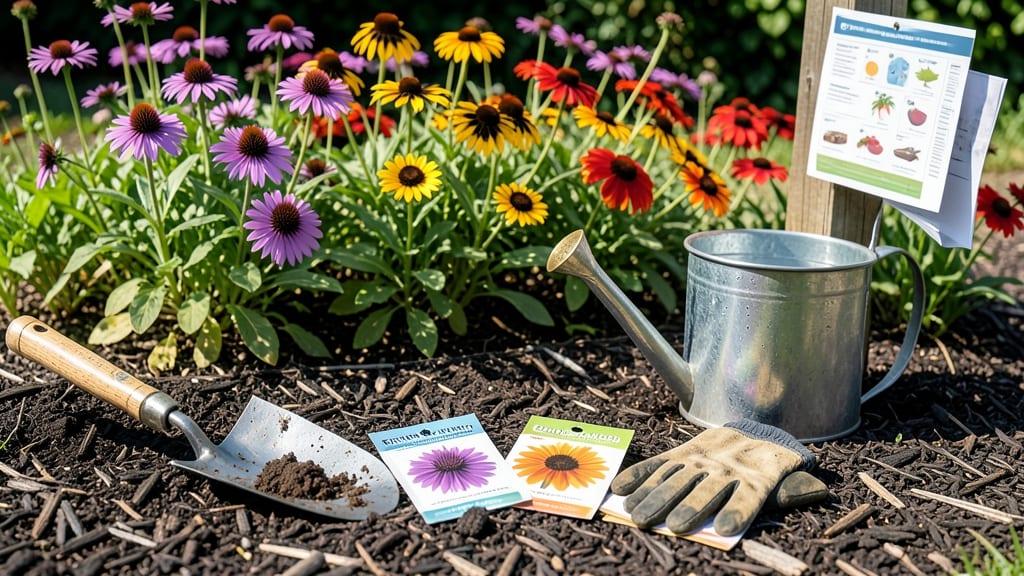
Timing your flowers planting in Nebraska can feel like guessing when to pull on a jacket—too early, and you’ll regret it; too late, and you miss the show.
The key to bold blooms all season? Knowing your region’s last frost date, which can vary by 2-3 weeks across the state’s 5a-6b zones.
I’ve spent years watching my 🌸 gardens thrive (and occasionally wilt) after planting, and the difference between success and disappointment often comes down to one thing: patience. Nebraska’s spring frost dates creep in around mid-April in the west but can linger until early May in the east.
That means your planting window isn’t just “spring”—it’s a precise timeline tailored to your corner of the state.
In this guide, I’ll break down exactly when to plant your annuals, perennials, and bulbs—plus how to prep your soil and avoid common mistakes that Nebraska gardeners face.
Whether you’re dreaming of vibrant summer borders or planning next year’s fall blooms, you’ll leave here with a clear roadmap to stress-free planting.
Ready to turn your flower beds into a showstopper? Let’s dive into the month-by-month planting schedule that’ll have your neighbors asking for your secrets.
Nebraska’s last frost dates by region: a month-by-month planting guide
Nebraska’s USDA Hardiness Zones 5a-6b create a diverse planting landscape, where last frost dates can vary by 2-3 weeks across regions. Western Nebraska (Zone 5a) typically sees its last frost around April 20-25, while Eastern Nebraska (Zone 6b) often warms up by April 10-15.
Central areas fall somewhere in between, usually around April 15-20. These dates are your planting benchmarks for annuals, perennials, and bulbs.
Understanding your microclimate is key—low-lying areas or urban heat islands may warm up faster, while high elevations or windy spots can delay frost-free conditions. Use the USDA Plant Hardiness Zone Map as your starting point, then adjust based on local observations from neighbors or Almanac frost records.
For example, Lincoln’s last frost often arrives 3-5 days earlier than Omaha’s due to its inland location.
Annual flowers like zinnias and marigolds should wait until after your region’s last frost, while cold-hardy annuals (e.g., pansies, snapdragons) can handle light frosts. Perennials and bulbs have different timing—plant them in early spring (March-April) or early fall (September-October) for best establishment. Below, we break down planting windows by region to help you plan your flower garden calendar.
| Region | Last Frost Date | First Frost Date | USDA Zone | Best Planting Window |
|---|---|---|---|---|
| Western NE | April 20-25 | October 10-15 | 5a | May 1-June 15 (Annuals) March 15-April 15 (Perennials/Bulbs) |
| Central NE | April 15-20 | October 5-10 | 5b-6a | April 20-May 30 (Annuals) March 1-April 30 (Perennials/Bulbs) |
| Eastern NE | April 10-15 | October 1-5 | 6a-6b | April 10-May 15 (Annuals) February 28-April 15 (Perennials/Bulbs) |
For Western Nebraska, where Zone 5a dominates, start planting hardy perennials like coneflowers and black-eyed Susans in mid-March to give them time to establish roots before summer’s heat. Annuals like sunflowers and cosmos can wait until after May 1, when soil temperatures consistently stay above 50°F.
In Central Nebraska, you’ll have a 2-week window earlier to plant, so take advantage by starting cool-season annuals like sweet peas in late March.
In Eastern Nebraska’s Zone 6b, you can push the envelope further—plant pansies and violas as early as late February for spring blooms, and warm-season annuals like zinnias and petunias by mid-April.
This region also benefits from fall planting; sow calendulas and stock in early September for winter color. Always check soil temperatures with a thermometer—55°F+ is ideal for most annuals.
Adjust your planting timeline based on microclimates. A south-facing slope warms up faster than a north-facing yard, while urban areas can be 5-10°F warmer than rural spots. Use row covers or cold frames to extend your growing season in cooler areas.
For bulbs like tulips and daffodils, plant in October-November—they need 6-8 weeks of cold to bloom reliably the following spring.
Don’t forget about fall planting! Many cool-season annuals and winter-hardy perennials thrive when planted in September-October.
Aim to plant 6-8 weeks before your first frost, giving them time to establish roots before winter. Mums and asters are excellent choices for fall color, while winter pansies add cheer to snowy landscapes.
Test your soil in early spring—Nebraska’s alkaline soil (pH 7.5-8.5) often needs sulfur or peat moss
Best flowers to plant in Nebraska by season: cool vs. warm-weather varieties
Nebraska’s cool springs and hot summers demand smart flower choices to keep your garden thriving year-round. Cold-hardy annuals like pansies and snapdragons love early planting, while heat-loving varieties such as zinnias and marigolds shine when planted after the last frost.
The key is matching each flower’s temperature preferences to Nebraska’s USDA Zones 5a-6b for maximum blooms.
For a nonstop bloom display, I recommend succession planting—sowing cool-season flowers in early spring and warm-season varieties every 2-3 weeks through summer. This simple trick extends your colorful season from April through October.
Let’s dive into the best flowers for each season and how to time your plantings for Nebraska’s unpredictable weather.
🌱 When to Plant Flowers in Nebraska by Season
- Early Spring (March-April): Plant cold-hardy annuals like pansies, sweet peas, and snapdragons 4-6 weeks before last frost (typically mid-April). These tolerate light frosts and bloom early.
- Late Spring (May): After the last frost date (late April to early May), sow warm-season annuals like zinnias, marigolds, and cosmos. Start perennial seeds or transplants for summer color.
- Summer (June-August): Succession plant heat-lovers like sunflowers and black-eyed Susans every 3-4 weeks for continuous blooms. Deadhead spent flowers to encourage reblooming.
- Early Fall (September): Plant cool-season bulbs like tulips and daffodils 6-8 weeks before first frost (mid-October). Add pansies and calendulas for late-season color.
Pro Tip: Use row covers for early spring plantings to protect from late frosts and extend the season by 2-3 weeks! 🌡️
My top cool-weather flowers for Nebraska gardens include pansies (bloom at 35°F!) and snapdragons, which thrive in partial shade and well-draining soil. These low-maintenance stars handle Nebraska’s wind and temperature swings like champions.
For summer heat, I swear by zinnias—they’re drought-tolerant and attract pollinators like crazy.
Don’t overlook perennials like coneflowers and black-eyed Susans for long-term color. Plant them in early spring or early fall so roots establish before winter. Succession planting is your secret weapon: Sow marigolds every 2 weeks from June to August to keep the pests away and blooms coming.
For fall interest, try mums and astors—they love cool nights and brighten up Nebraska’s golden autumns. Just remember: water deeply before the first frost to hydrate roots for next year’s growth.
With this seasonal strategy, your garden will stay bursting with color from spring to frost!
Need a quick reference? Bookmark this list: Spring = pansies + snapdragons, Summer = zinnias + marigolds, Fall = mums + astors. Now grab your gloves and let’s get planting—your Nebraska dream garden is waiting! 🌼