
Flowers
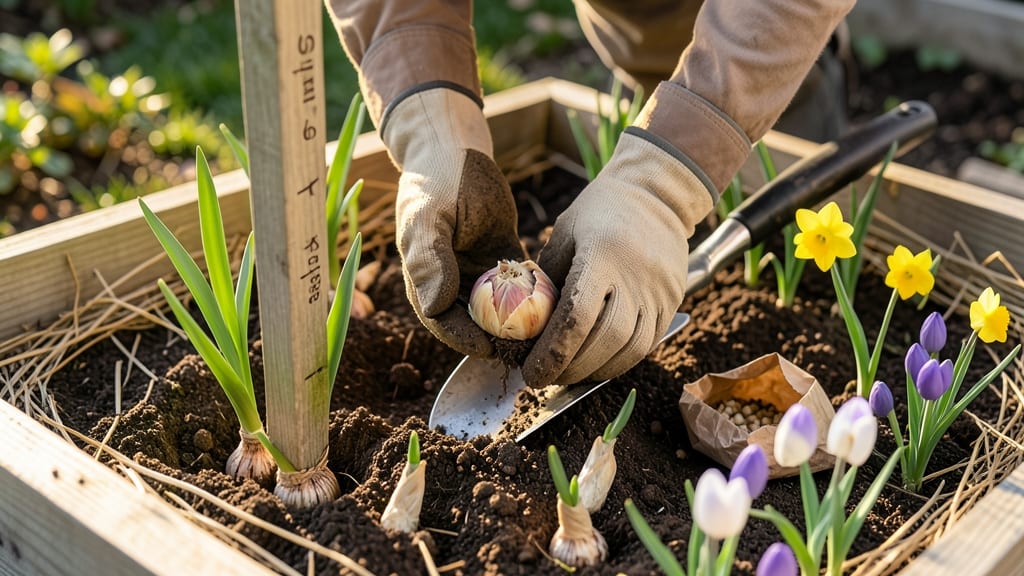
Planting your spring flowers at the wrong time can leave you staring at empty garden beds instead of a vibrant display of 🌸—and nobody wants that!
The key to a showstopping flower garden starts with knowing exactly when to plant, which depends on your USDA zone, flower types, and last frost date.
If you're in Zone 6a like many gardeners, waiting until after your last frost (typically late April to early May) gives your flowers the perfect start. But timing isn’t one-size-fits-all—cool-season blooms like pansies can handle early planting, while heat-loving annuals like marigolds need warmer soil to thrive.
I’ll break down the exact planting windows for your zone, plus pro tips to adjust for unpredictable weather. Whether you’re a first-time gardener or a seasoned green thumb, these insights will help you avoid common mistakes and maximize your blooms all season long.
Ready to transform your garden? Let’s dive into the best planting dates and strategies so you can enjoy a garden bursting with color—without the guesswork.
Spring flower planting dates by USDA hardiness zones (exact timeline)
Getting your spring flower planting schedule right means the difference between a garden bursting with color and one that struggles to take hold. USDA hardiness zones dictate when to plant, but frost dates and flower types play equally critical roles.
Cool-season flowers like pansies thrive early, while frost-sensitive varieties like impatiens need to wait until all danger of frost has passed.
I’ve broken down the exact planting windows for Zones 3 through 10, so you can align your garden prep with your local climate.
Whether you’re in the chilly Upper Midwest (Zone 3) or the balmy Deep South (Zone 10), these timelines ensure your flowers get off to the best start.
Key factors to consider:
- Last frost date: The most critical marker for planting
- Soil temperature: Most flowers need soil at 50°F or warmer
- Flower hardiness: Frost-tolerant vs. frost-sensitive varieties
If you’re in Zone 3, you’ll want to plant cool-season flowers like pansies and snapdragons as early as mid-April, but hold off on frost-sensitive impatiens until late May. In warmer zones like Zone 10, you can start planting in December for a continuous bloom cycle.
For perennials, timing matters too—many need to establish roots before summer heat sets in. Bulbs like tulips and daffodils can go
Best flowers to plant early vs. late spring (with planting tips)
Spring is the perfect time to transform your garden into a colorful masterpiece, but not all flowers thrive when planted at the same time. Early spring flowers like tulips and daffodils love cooler temperatures, while late spring bloomers such as marigolds and zinnias need warmer soil to flourish.
Getting the timing right ensures vibrant blooms all season long.
Understanding soil temperature requirements is key—most early spring flowers prefer soil between 40°F to 50°F, while late spring varieties thrive in 60°F to 70°F soil. Additionally, spacing advice varies by plant type to prevent overcrowding and maximize air circulation, which keeps diseases at bay.
- Early Spring Flowers (Plant in March-April): Tulips, Daffodils, Pansies, Sweet Peas, Crocuses – Soil temp: 40°F-50°F
- Mid-Spring Flowers (Plant in April-May): Calendulas, Snapdragons, Lobelia – Soil temp: 50°F-60°F
- Late Spring Flowers (Plant in May-June): Marigolds, Zinnias, Petunias, Sunflowers – Soil temp: 60°F-70°F
- Spacing Tip: Tall flowers (e.g., sunflowers) need 12-18 inches apart, while compact blooms (e.g., pansies) thrive 6-10 inches apart
- Pro Tip: Use mulch after planting to retain moisture and regulate soil temperature for early spring bloomers.
For early spring flowers, focus on bulb plants like tulips and daffodils, which can handle light frosts and even bloom through snow. Plant them 6-8 weeks before your last expected frost date for best results.
These hardy beauties reward patience with bold, early color that brightens up gray spring days.
When shifting to late spring planting, opt for annuals like zinnias and marigolds, which love warmth and thrive in full sun.
These flowers are perfect for filling gaps left by early bloomers and extending your garden’s color palette into summer. Spacing them properly ensures they don’t compete for nutrients or space.
Don’t forget to prep your soil before planting—amend it with compost to improve drainage and add organic matter. For late spring flowers, a light application of balanced fertilizer (like 10-10-10) at planting time gives them a nutrient boost to support robust growth and abundant blooms.
If you’re unsure about your local frost dates, check your USDA hardiness zone and aim to plant early spring flowers 4-6 weeks before the last frost, while late spring varieties should go in 2-3 weeks after the last frost.
With the right timing and care, your garden will be a non-stop bloom show from spring to summer! 🌷