
Flowers
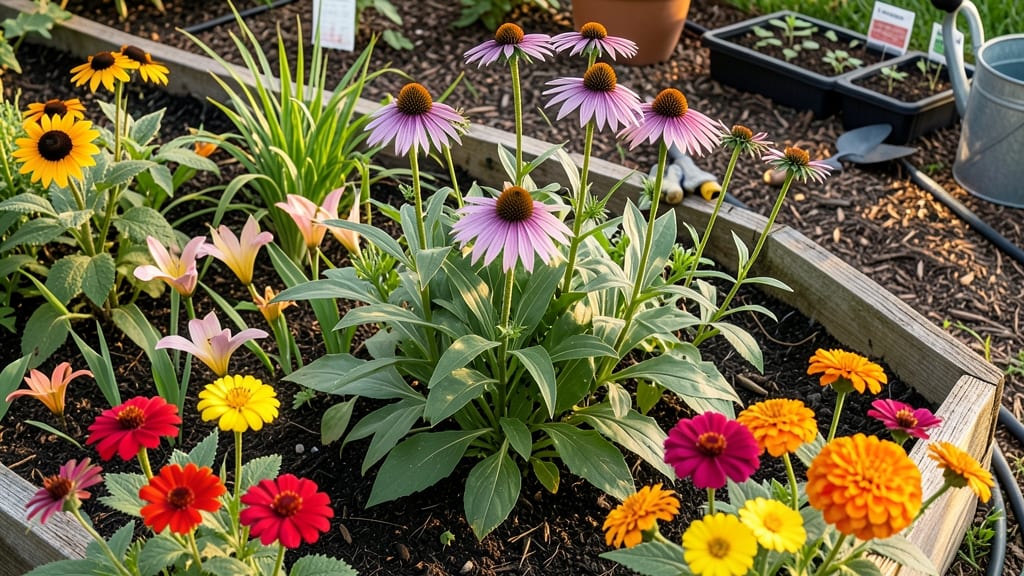
Planting flowers in Chicago’s 5b-6a zone feels like playing a high-stakes game of timing—get it wrong, and frost zaps your blooms before they even peek out. But master this schedule, and you’ll enjoy vibrant, long-lasting gardens that thrive year after year, no matter how unpredictable the weather gets.
I’ve spent years watching Chicago’s frost dates shift like a mood ring, and the secret isn’t guessing—it’s knowing when to plant for your specific flowers.
Whether you’re dreaming of spring’s first daffodils or fall’s fiery mums, the right timing means the difference between a garden that fades and one that flourishes. Let’s dive into the exact months to plant for your 🌸 favorites.
Most gardeners wait until after the last frost (usually around April 15), but some cold-hardy varieties can handle earlier plantings. Annuals like petunias and marigolds love the warmth of May, while perennials like coneflowers need that spring soil warmth to take root deep.
I’ll break down the best windows for each, so you can avoid the heartbreak of late frosts.
Ready to transform your yard into a year-round showstopper? Stick with me, and I’ll show you how to plant flowers in Chicago—not just once, but for seasons of color and joy. Your future self (and your bees) will thank you.
Chicago’s 2024 frost-free planting timeline by month for annual flowers
Chicago’s USDA hardiness zones 5b-6a mean frost can linger until mid-April, but with the right timing, you can enjoy continuous blooms from spring to fall. Annual flowers like petunias, marigolds, and zinnias thrive when planted after the last frost, but some cold-hardy varieties can handle earlier starts.
Let’s break down the optimal planting windows by month to maximize your garden’s potential.
For heat-sensitive varieties like impatiens or coleus, wait until soil temperatures consistently stay above 55°F (13°C). Meanwhile, cold-tolerant picks such as pansies or snapdragons can brave late April plantings. Understanding these distinctions is key to avoiding frost damage while ensuring vibrant, long-lasting blooms throughout the season.
The average last frost date in Chicago is April 15, but unpredictable weather means you should prepare for late frosts until May 1. Use this timeline to plan your indoor starts (6-8 weeks before last frost) and direct sowing for maximum impact.
Early bloomers like tulips or daffodils (technically perennials) can go in late March, but most annuals wait for warmer soil.
Here’s your month-by-month planting guide for annual flowers in Chicago’s 2024 frost-free zone, including cold-hardy exceptions and heat-sensitive varieties:
| Month | Planting Window | Best Annuals | Notes |
|---|---|---|---|
| March | Start indoors (6-8 weeks before last frost) | Pansies, Snapdragons, Calendula | Cold-hardy; transplant after frost risk |
| April | Direct sow after April 15 (last frost) | Marigolds, Zinnias, Sweet Alyssum | Wait for soil >55°F; use frost cloth if late |
| May | Full outdoor planting season | Petunias, Impatiens, Coleus | Heat-sensitive; mulch to retain moisture |
| June | Succession plant for fall blooms | Cosmos, Sunflowers, Nasturtiums | Drought-tolerant; ideal for late-season color |
| August | Start cool-season annuals indoors | Pansies, Stock, Larkspur | Transplant in September for fall/winter blooms |
| September | Direct sow frost-tolerant varieties | Calendula, Sweet Peas, Viola | Harvest seeds before first frost (Oct 15) |
For heat-sensitive annuals like impatiens or begonias, May is your golden window. These varieties wilt quickly in Chicago’s summer heat, so prioritize shade placement and consistent watering. On the flip side, drought-tolerant zinnias or cosmos can handle June plantings and thrive with minimal fuss—perfect for busy gardeners.
Don’t overlook succession planting in June to extend your blooming season. Sow fast-growing cosmos or sunflowers every 2-3 weeks for continuous color through September. This strategy also prevents gaps in your garden’s visual appeal and maximizes your investment in seeds.
If you’re a fall gardener, August is your time to shine. Start cool-season annuals like pansies or stock indoors now, then transplant them in early September. These hardy bloomers will thrive through light frosts and add color to your winter landscape.
Just remember: harvest seeds from summer blooms before the first frost hits (mid-October).
For late bloomers like nasturtiums or calendula, September plantings work beautifully. These varieties are frost-resistant and will reward you with bright blooms even as temperatures drop. Pair them with ornamental kale or cabbage for a stunning fall display that lasts until Christmas.
Pro tip: Use mulch to regulate soil temperature and retain moisture. A 2-inch layer of straw or shredded leaves around your plants will protect roots from extreme heat or cold, giving your annuals the best chance to thrive in Chicago’s unpredictable climate.
Finally, keep an eye on your local weather forecasts. Chicago’s unpredictable late frosts can sneak in even after April 15. If frost is forecasted, cover tender plants with frost cloth or move potted annuals to a protected location.
With this timeline and a little flexibility, your garden will burst with color from spring to frost.
Best perennial flowers to plant in Chicago and their ideal timing
Chicago’s cool summers and cold winters create the perfect conditions for hardy perennials that return year after year. Unlike annuals, perennials establish strong roots, making them low-maintenance once planted. The key to success? Timing your plantings to avoid frost damage while giving roots time to anchor before winter.
Native wildflowers like black-eyed Susans and coneflowers thrive in Chicago’s USDA zones 5b-6a, while tender perennials like lavender and salvia need extra care. Planting at the right time ensures vibrant blooms for years without replanting.
🌱 When to Plant Perennials in Chicago
- 🌱 March-April: Plant spring-blooming perennials like bleeding heart and peony as soon as soil is workable (around April 15 after last frost).
- 🌱 May-June: Ideal for summer-blooming perennials like coneflower and black-eyed Susan—plant after soil warms to 60°F+.
- 🌱 August-September: Perfect for fall-planted perennials like aster and sedum, giving roots time to establish before winter.
- 🌱 September-October: Plant tender perennials like lavender and Russian sage 6-8 weeks before first frost for root establishment.
For cold-hardy perennials, focus on early spring planting (March-April) to take advantage of cool soil temperatures that reduce stress. Coneflowers and daylilies are excellent choices—they tolerate Chicago’s hot summers and freezing winters with ease.
Tender perennials like lavender and salvia need well-draining soil and full sun. Plant them in late spring or early fall to avoid heat stress or early frost. Amend clay soil with compost or sand to prevent root rot.
Pro tip: Mulch newly planted perennials with 2-3 inches of organic mulch (like shredded bark) to retain moisture and protect roots from temperature swings. This is especially critical in Chicago’s unpredictable spring and late fall.
By following these timing guidelines, your perennials will reward you with years of color and minimal upkeep. Start with native varieties for the easiest care—Chicago’s climate is perfect for them! 🌸