
Flowers
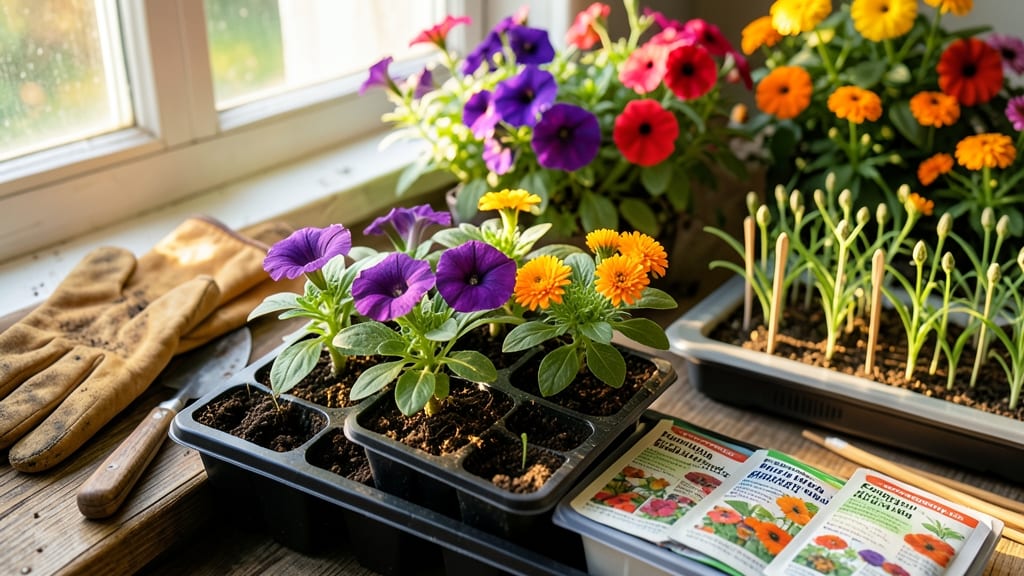
Planting flower seeds in Wisconsin isn’t just about waiting for spring—it’s about timing them perfectly to beat the unpredictable frosts that can turn your garden dreams into a sad, icy memory.
With hardiness zones 4b-5a and frost dates that shift from mid-April to early May, knowing exactly when to sow your 🌸 seeds means the difference between a vibrant summer garden and a season of disappointment.
I’ve learned the hard way that rushing your planting schedule—especially for heat-loving annuals like cosmos or zinnias—can leave you with wilted seedlings when the first real heatwave hits.
But here’s the good news: Wisconsin’s two planting windows (late April–mid-May and early September for fall bloomers) give you flexibility if Mother Nature throws a curveball.
Whether you’re a first-time gardener or a veteran with a few failed attempts under your belt, this guide will walk you through zone-specific timing, soil temperature tricks, and which flowers thrive when planted early, late, or even indoors for a head start.
Let’s make sure your garden blooms on schedule—no frost-related surprises included.
From cosmos that self-seed like crazy to hardy perennials like coneflowers that bounce back after winter, we’ll cover the best varieties for your region and how to adjust for Wisconsin’s microclimates—whether you’re in chilly northern zones or slightly warmer southern pockets. Ready to turn your garden into a showstopper?
Wisconsin hardiness zones 3-5: month-by-month flower seed planting schedule
Wisconsin’s hardiness zones 3-5 mean your planting timeline hinges on last frost dates (typically mid-April to early May) and soil temperatures reaching at least 50°F. Northern Wisconsin (zone 3) has shorter growing seasons, while southern areas (zone 5) enjoy extra weeks of warmth.
Microclimates—like urban heat islands or sheltered garden spots—can shift your schedule by 1-2 weeks, so always check your local frost-free date.
For annual flowers, most seeds thrive when sown directly after the last frost, but cold-hardy varieties like snapdragons or sweet peas can handle early spring sowing (as early as March in zone 5). Perennials, however, often prefer fall planting for root establishment before winter. Indoor starts are key for slow-germinating seeds like foxgloves or delphiniums, giving them a 6-8 week head start.
Here’s your zone-specific planting roadmap, accounting for direct sowing, indoor starts, and fall prep. Adjust for urban vs. rural spots—urban areas may warm up 1 week earlier due to concrete heat absorption.
| Month | Zone 3 (Northern WI) | Zone 4 (Central WI) | Zone 5 (Southern WI) | Notes |
|---|---|---|---|---|
| March | Indoor starts: snapdragons, foxgloves | Indoor starts: delphiniums, hollyhocks | Indoor starts: all above + cosmos | Start seeds 6-8 weeks before last frost. |
| April | Direct sow: hardy annuals (pansies, sweet peas) | Direct sow: marigolds, zinnias | Direct sow: sunflowers, nasturtiums | Wait for soil temps ≥50°F. |
| May | Transplant indoor starts; sow beans, cornflowers | Sow all heat-loving annuals (petunias, geraniums) | Sow late bloomers (cosmos, black-eyed Susans) | Use row covers for early frosts. |
| June | Succession plant fast growers (basil, cosmos) | Succession plant fall bloomers (asters, goldenrod) | Succession plant all above + snapdragons | Extend season with drip irrigation. |
| September | Sow cool-season perennials (coneflowers, black-eyed Susans) | Sow pansies, snapdragons for fall color | Sow all above + sweet peas | Aim for 6-8 week bloom before frost. |
For perennials, focus on fall planting (September-October) in zones 4-5, as roots establish before winter.
In zone 3, wait until May to avoid heaving (soil freezing/thawing). Bulbs like tulips or daffodils should go in fall (October), but winter-hardy annuals (e.g., calendula) can handle direct sowing in early spring.
Urban gardeners often face warmer microclimates due to concrete and buildings, allowing 1-2 week earlier planting
Top 5 fast-growing Wisconsin flowers for early and late planting success
When Wisconsin’s spring frost dates linger longer than expected, I turn to fast-growing annuals that bloom quickly and tolerate cooler soils. These top 5 flowers deliver color within weeks—perfect for extending your season when Mother Nature plays hard to get.
Whether you’re planting in late April or pushing the envelope with September sowings, these varieties reward patience with bold blooms.
My go-to early-season flowers start with cosmos and zinnias, both of which sprout in 5-10 days and bloom in 45-60 days. For late-season extensions, I rely on marigolds and snapdragons, which handle cooler fall temperatures better than most.
Each of these Wisconsin-proven flowers has a risk vs. reward factor when planted outside their ideal window—so I’ll share how to push zone limits without sacrificing blooms.
-
1. Cosmos (Days to bloom: 45-60)
Plant: Late April–May (direct sow after frost) or September for fall color. Soil temp: 50°F+. Bonus: Drought-tolerant once established.
-
2. Zinnias (Days to bloom: 50-60)
Plant: Mid-May–June (wait for 60°F+ soil). Risk: Leggy in heat—plant late May for shorter, bushier stems.
-
3. Marigolds (Days to bloom: 40-50)
Plant: Early April–May (tolerates 40°F+ soil) or August–September for fall pest control. Reward: Repels nematodes and aphids.
-
4. Snapdragons (Days to bloom: 60-70)
Plant: Late March–April (start indoors 8-10 weeks before last frost) or July–August for fall blooms. Tip: Pinch back for bushier growth.
-
5. Sunflowers (Dwarf Varieties) (Days to bloom: 50-60)
Plant: Late May–June (after soil reaches 60°F). Late push: Sow July 1 for September harvest (shorter stems).
For companion planting, I pair marigolds with tomatoes to deter pests and cosmos with basil to improve flavor. Snapdragons thrive near cabbage family plants, acting as a living trellis while repelling cabbage moths.
When planting late-season flowers, I use row covers to protect tender seedlings from early October frosts, extending the growing window by 2-3 weeks.
My risk vs. reward rule? If you’re planting zinnias or sunflowers after July 15, expect smaller blooms but still vibrant color. Cosmos and marigolds, however, reward late sowings with longer vase life and pest resistance.
For zone 4b gardeners, I recommend starting snapdragons indoors in March—their 60-day bloom time ensures summer color even if spring is slow.
Pro tip: Test soil temperatures with a soil thermometer before direct sowing. Cosmos and marigolds germinate at 50°F, while zinnias and sunflowers need 60°F+. If your May soil is still cold, opt for marigolds or pansies—they’ll bloom in 30-40 days and handle light frosts.