
Flowers
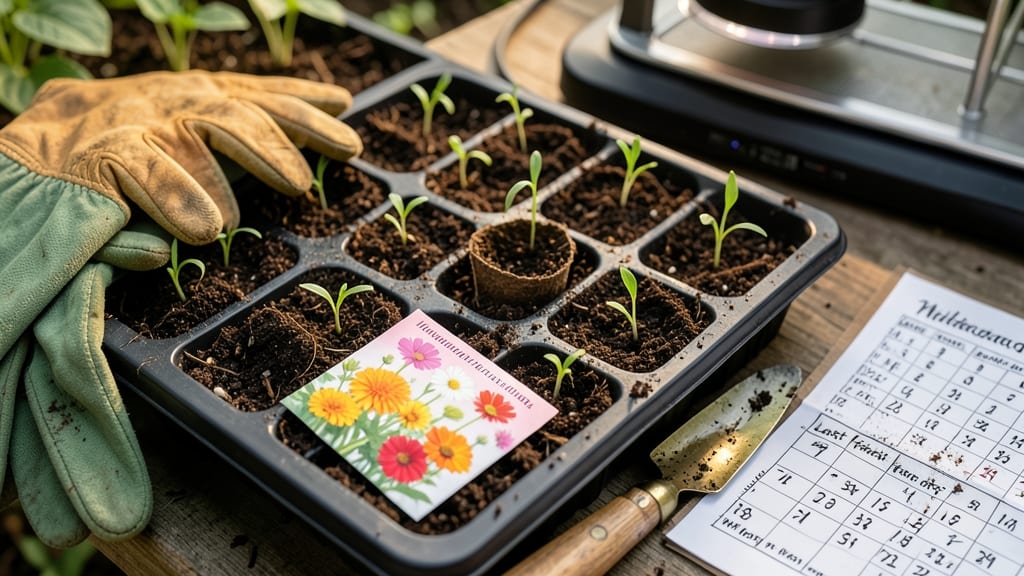
Planting flower seeds in Michigan at the wrong time can mean the difference between a vibrant garden and a sad, frost-killed disappointment.
With last frost dates shifting from mid-April in southern counties to early May in the north, timing is everything—and getting it right means more blooms and less frustration.
I’ve spent years testing the best planting windows for 🌸 flower seeds across Michigan’s 5b-6b zones, and the secret isn’t just waiting until spring. Some flowers thrive when sown in August-September for fall blooms, while others need that early March start to beat the heat.
Let’s break down the exact dates that work for your county.
Whether you’re dreaming of summer marigolds or hardy coneflowers that last until frost, this guide cuts through the guesswork. You’ll learn how to align your planting with Michigan’s unpredictable weather, plus pro tips to extend your season without risking those delicate seedlings.
Ready to turn your garden into a year-round showstopper? Let’s get those seeds in the ground at the perfect moment—because in Michigan, timing isn’t just helpful, it’s essential.
Michigan’s frost-free zones: when to plant flower seeds by county
Michigan’s last frost dates can vary by over 30 days from the Thumb region to the Upper Peninsula, making timing critical for flower seeds.
Southern counties like Wayne or Monroe often see frost-free conditions by mid-April, while northern areas like Marquette or Houghton may wait until late May. Understanding your USDA Zone (4-6) and local frost patterns ensures your annuals and perennials thrive without frost damage.
For cool-season flowers like pansies or snapdragons, I start seeds indoors in February and transplant after the last frost. Warm-season favorites such as zinnias or marigolds need to wait until soil temperatures hit 50°F (10°C), typically mid-May in most regions.
Michigan State University’s climate data shows that late spring is the safest window for direct sowing, but fall planting (August-September) works for hardy varieties.
Here’s your county-by-county guide to planting flower seeds with zero frost risk, based on historical averages and MSU records.
| County | USDA Zone | Last Frost Date | Ideal Planting Window | Best Flowers |
|---|---|---|---|---|
| Wayne (Detroit) | 6a | April 15 | April 20 - May 10 | Marigolds, Petunias, Zinnias |
| Berrien (SW MI) | 6b | April 20 | April 25 - May 15 | Sunflowers, Cosmos, Black-Eyed Susans |
| Oakland (Metro) | 6a | April 18 | April 22 - May 12 | Dahlias, Snapdragons, Nasturtiums |
| Grand Traverse (NW) | 5b | May 5 | May 10 - May 25 | Coneflowers, Bee Balm, Shasta Daisies |
| Marquette (UP) | 4b | May 20 | May 25 - June 5 | Lavender, Catmint, Hardy Geraniums |
| Monroe (SE) | 6b | April 10 |
Best flower seeds to plant in Michigan’s short growing seasonMichigan’s short growing season demands smart choices—selecting the right flower seeds can mean the difference between a bountiful summer display and a disappointing patch of dirt. The key is balancing cold tolerance, bloom duration, and local climate zones. Northern counties (like Marquette) face longer frost risks, while southern areas (like Detroit) enjoy extended heat. I’ve curated a list of top performers that thrive in Michigan’s USDA Zones 5b-6b, ensuring vibrant blooms from early summer through fall. For northern Michigan, prioritize early bloomers like sweet peas and lupines, which tolerate cooler soils. Southern regions can handle heat-loving zinnias and marigolds planted as late as mid-June. Perennials like coneflowers and black-eyed Susans are low-maintenance workhorses, returning year after year with minimal fuss. Let’s dive into the best varieties ranked by bloom time, hardiness, and garden impact. 🌱 Top Flower Seeds for Michigan’s Growing Season
🌿 Why These? All varieties thrive in Michigan’s variable climate, offer long bloom times, and require minimal care. Pair annuals (like zinnias) with perennials (like coneflowers) for year-round interest. Don’t overlook Michigan-native flowers like bee balm (Monarda) or columbine (Aquilegia), which support local pollinators and thrive in partial shade. For container gardens, petunias and geraniums deliver color until frost when planted after May 15. Succession planting is key—sow new batches every 2 weeks to ensure continuous blooms through September. Pro move: Pre-treat seeds with a hot water soak (for perennials) to break dormancy and improve germination rates in Michigan’s cool, wet springs. Use well-draining soil mixed with compost to prevent rot from excess moisture. Mulch with straw after germination to retain soil warmth and suppress weeds. For northern counties, extend your season with cold frames or row covers—this lets you plant marigolds and snapdragons as early as April 1. In southern Michigan, heat-tolerant varieties like celosia or portulaca shine when planted June–July. Test soil pH (aim for 6.0–7.0) and amend with lime if needed, as acidic soil can stunt flower growth. With these top-performing seeds, your Michigan garden will burst with color from early summer to first frost. Start with zinnias and marigolds for instant impact, then layer in perennials for long-term beauty. Happy planting—your pollinators will thank you! 🌻 |