
Companion Plants
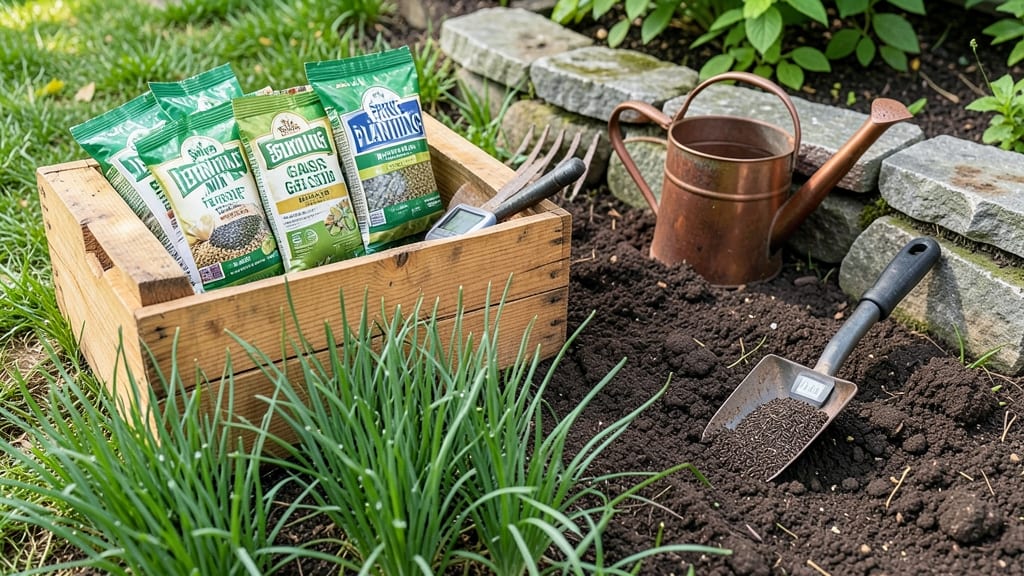
Planting your Grass (Lawn)🌱 at the wrong time in spring can turn your green dreams into a patchy nightmare—frost, poor germination, or even wasted seed money. The secret to lush, year-round coverage starts with knowing exactly when your local microclimate says "go," not just guessing by the calendar.
If you're in USDA Zone 6a (like much of the Midwest), your sweet spot is 4-6 weeks before your last frost date, typically between early March and mid-April. But here's the catch: soil temperature matters more than the date on your planner—aim for 55-65°F to kickstart those seeds.
Too early? Frost will kill tender sprouts before they take root. Too late? Weeds will muscle in first. I'll break down the exact timing for your region, plus how to spot the perfect window using simple checks—no PhD in meteorology required.
Let’s get your lawn off to the fastest, strongest start this season, with zero frost risk and maximum green results. Ready to dig in?
Spring grass planting timeline by US Hardiness Zones (with frost-free guarantees)
Timing your spring grass planting is everything—plant too early and frost will kill your seedlings, wait too long and summer heat can stress young roots.
The USDA Hardiness Zones provide a great starting point, but local microclimates (like urban heat islands or mountain valleys) can shift your ideal window by 2-4 weeks. For 90% germination success, aim for soil temperatures between 55-65°F and a frost-free guarantee.
Northern gardeners in Zones 3-5 face the toughest challenge with late frosts, while Zones 8-10 can plant as early as February in some regions. The key is balancing soil warmth with nighttime lows—a 32°F frost after planting can wipe out your progress in days.
Let's break down your exact planting window by zone, including regional variations like the Pacific Northwest's cool maritime climate versus the Deep South's early warm-ups.
| USDA Zone | Last Frost Date | Ideal Planting Window | Soil Temp Requirement | Regional Notes | Risk of Frost After Planting |
|---|---|---|---|---|---|
| Zones 3-4 | May 1 - May 15 | Late May to early June | 55-60°F (13-16°C) | Northern Plains, Upper Midwest. Wait for consistent 60°F days. | High if planted before May 20 |
| Zones 5-6 | April 15 - May 1 | Early April to mid-May | 55-62°F (13-17°C) | Northeast, Great Lakes. Pacific Northwest can plant 2 weeks earlier. | Moderate if planted before April 15 |
| Zones 7-8 | March 15 - April 1 | Mid-February to April | 58-65°F (14-18°C) | Southeast, Midwest. Deep South can plant as early as January. | Low after March 15 |
| Zones 9-10 | January 15 - February 15 | December to March | 60-70°F (16-21°C) | California, Southwest, Florida. Avoid summer planting—heat stress is common. | None in most regions |
| 🌱 PRO TIP: Use a soil thermometer—plant when temps stay above 55°F for 5+ days | |||||
In Zones 3-4, where late frosts are common, I recommend waiting until after Mother's Day (May 10-15) unless you're using cold-hardy varieties like Tall Fescue. These zones often see 32°F nights well into May, so rushing your planting can mean 50% seed loss.
For Zones 5-6, early April is ideal if your nights stay above 40°F consistently, but I've seen gardeners in Upstate New York lose entire plantings by starting too soon.
The Pacific Northwest (Zones 7-9) has a unique challenge: cool maritime air can delay soil warming. Even in Zone 8 Seattle, I've found that waiting until mid-April gives seedlings a 3-week head start before summer rains arrive.
Meanwhile, in Zone 9 Florida, gardeners can plant year-round, but August-September is the riskiest month due to hurricane season and fungal diseases.
For Zones 8-10, the biggest mistake is planting in late spring or summer. While these zones have longer growing seasons, Bermuda grass and Zoysia struggle with establishment in 90°F+ heat.
I recommend focusing on fall planting (August-September) for these varieties, but if you must plant in spring, shade cloth can protect seedlings during the hottest afternoon hours.
One tool I can't recommend enough is a frost-free date calculator like the one from the National Oceanic and Atmospheric Administration (NOAA).
Plug in your zip code to get historical frost data—this will show you if your area has a 10-year trend of earlier springs (like much of the Northeast due to climate change).
For example, Boston's last frost date has shifted from May 5 to April 20 over the past decade.
If you're in a transition zone (like Zone 7b where last frosts can vary by 3 weeks), I suggest using the "5-4-3 Rule": Count back 5 weeks from your average last frost, then subtract 4 days for soil warming delays, and another 3 days for seedling establishment.
This gives you a buffer period to adjust based on actual weather patterns rather than averages.
Finally, don't overlook elevation effects. A mountain garden in Zone 6 might have the same last frost date as a valley garden in Zone 5. I've seen Aspen, CO (Zone 5)
How to use a 7-Day microclimate checklist to avoid frost damage
A frost warning can turn your freshly planted grass into a sad, brown memory. That’s why I created a 7-day microclimate checklist to help you time your planting perfectly.
This simple tool accounts for local weather patterns, soil warmth, and nighttime lows—all critical factors that determine whether your grass thrives or fails.
Your local microclimate—like elevation, urban heat islands, or wind exposure—can shift frost dates by weeks. For example, a valley might frost 2 weeks earlier than a nearby hilltop. By tracking these variables, you’ll know exactly when to plant for zero frost risk and maximum germination success.
Here’s how to use the checklist: Start by recording your average last frost date (find yours via the USDA Plant Hardiness Zone Map). Then, adjust for your specific conditions using the steps below.
- Day 1: Check nighttime lows for the next 7 days. Aim for consistent temps above 50°F.
- Day 3: Test soil temperature at 2-inch depth. 55-65°F is ideal for grass seed germination.
- Day 5: Note wind exposure. Sheltered areas (like near fences) can be planted 1 week earlier than open spaces.
- Day 7: Compare your data to the USDA frost-free date. If your local conditions show warmer nights, plant 2 weeks early.
Pro Tip: Urban areas stay 5-10°F warmer at night than rural zones—adjust your planting date 1 week later if you’re in the city.
Once you’ve completed the checklist, adjust your planting date based on your findings. For example, if your soil stays below 55°F for 10+ days, wait until nighttime lows consistently hit 50°F before seeding. This small adjustment can mean the difference between a lush lawn and a failed patch.
Don’t forget to water deeply after planting—aim for 1 inch of water per week to keep seeds moist until germination. Use a rain gauge or tuna can to measure accurately. Consistency is key!
With this checklist, you’ll avoid the #1 mistake new gardeners make: planting too early. Trust your data, not just the calendar, and your grass will reward you with vibrant green growth all season long. Happy planting! 🌱