
Flowers
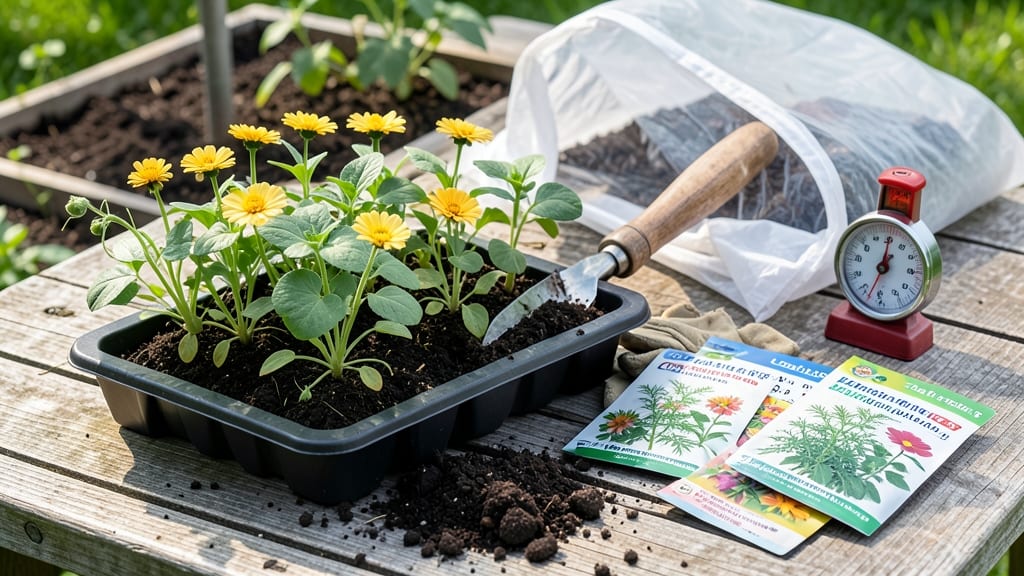
Planting flower seeds at the wrong time in Zone 6 (General) could mean waiting months—or even years—for those vibrant blooms you dream of.
The difference between a thriving garden and a failed attempt often comes down to understanding when to plant flower seeds in Zone 6 and aligning it with your local frost dates.
In my experience, timing isn’t just about throwing seeds into the ground when it feels like spring. It’s about knowing whether you’re dealing with cool-season favorites like pansies or heat-loving annuals like marigolds.
For most gardeners in 6a-6b, the sweet spot is early spring—right after that last frost around April 15—but some varieties, like snapdragons, can handle a late-summer start too.
What if you want to extend your blooms into fall? That’s where fall planting comes in—starting seeds 6-8 weeks before your first frost (usually by mid-September) can give you a second wave of color.
I’ll break down exactly which flowers thrive in each window so you can plan like a pro.
Ready to turn your garden into a year-round showstopper? Let’s dive into the exact months, variety-by-variety, so you never miss a planting opportunity again.
Zone 6 flower seed planting calendar: exact months by variety type
Getting your flower seeds in the ground at the right time in Zone 6 ensures strong germination and vibrant blooms. The last frost date (typically April 15) and first frost (around October 15) are your key benchmarks.
Cool-season flowers thrive in early spring or fall, while warm-season varieties need warmer soil temperatures. Let’s break down the exact planting windows for your favorite flowers.
For cool-season annuals like pansies and snapdragons, start seeds indoors 6-8 weeks before last frost (around February 15) or sow directly in early spring (March) or late summer (August) for fall blooms. Warm-season annuals, such as marigolds and zinnias, should wait until soil reaches 60°F+, usually May 1 or later.
Perennials like coneflowers and black-eyed Susans can be sown directly in early spring (April) or fall (September).
Bulbs like tulips and daffodils need a fall planting window—aim for September to October—to establish roots before winter dormancy. Frost-sensitive varieties like impatiens and begonias should only be planted after May 15, when nighttime temperatures stay above 50°F.
Understanding these timelines helps you avoid wasted effort and ensures a continuous bloom season from spring to frost.
Here’s a quick reference for Zone 6 flower seed planting by variety type:
If you’re growing annuals for summer color, prioritize warm-season varieties like sunflowers and cosmos. These thrive when planted after May 1 and continue blooming until frost. For fall interest, try cool-season annuals like sweet alyssum or calibrachoa, which can be sown in late summer (August) for late-season blooms.
For perennials, early spring or fall planting gives roots time to establish before extreme temperatures. Coneflowers and lavender, for example, benefit from September sowing to avoid summer heat stress. Bulbs like crocuses and hyacinths should be planted in fall (September-October) to naturalize and multiply over time.
Adjust your planting schedule based on microclimates in your garden. South-facing beds warm up faster, allowing earlier planting of warm-season flowers. Shaded areas may delay germination for sun-loving varieties like petunias. Always check your local last frost date—it can vary by 1-2 weeks even within Zone 6.
Pro tip: Use row covers or a mini greenhouse to extend your planting season for frost-sensitive flowers. This lets you start tender annuals like impatiens 2-3 weeks earlier in spring. Just remove covers when nighttime temps stay above 55°F to prevent overheating.
By following this Zone 6 planting calendar, you’ll maximize bloom time and minimize wasted seeds. Start with cool-season flowers in spring, transition to warm-season varieties in summer, and finish with fall-blooming annuals for a garden that thrives all season long. Happy planting!
How to adjust planting times for early or late blooms in Zone 6
Extending your bloom season in Zone 6 doesn’t require magic—just strategic adjustments to planting times. By leveraging succession planting, indoor starts, and microclimate awareness, you can enjoy flowers from spring until frost. The key is understanding how to push boundaries without risking your plants.
Start with early bloomers like pansies or snapdragons. These cold-hardy varieties can handle light frosts, so sow them 4-6 weeks before your last frost date (around March 15 in Zone 6).
For late-season color, focus on cosmos or zinnias, which thrive in warm soil and can be direct-sown as late as July.
Here’s how to fine-tune your schedule for maximum impact:
- 1. Start Indoors: Begin frost-sensitive seeds (like petunias) 8-10 weeks before last frost (early February in Zone 6). Use grow lights to simulate 14-16 hours of light daily.
- 2. Succession Plant: Sow fast-growing annuals (e.g., marigolds) every 2-3 weeks from April to July for continuous blooms. Example: Plant cosmos in May, June, and July for staggered displays.
- 3. Leverage Microclimates: Urban areas with heat islands can delay frost by 1-2 weeks. Plant heat-loving flowers (e.g., lantana) in these spots 2 weeks later than your average last frost date.
- 4. Extend Fall Blooms: Choose late-season perennials like Russian sage or sedum. Plant them in early August to bloom until first frost. Mulch heavily to protect roots.
- 5. Shade Adjustments: In shaded microclimates, opt for partial-shade lovers like impatiens or coleus. Start these 4 weeks earlier than sun-loving varieties to compensate for slower growth.
Don’t overlook fall planting for perennials like black-eyed Susans. Sow seeds in late summer (August) to establish roots before winter. These plants will reward you with earlier spring blooms the following year. Just ensure soil temps stay above 50°F for germination.
For container gardens, adjust timing by 1-2 weeks earlier—pots heat up faster and dry out quicker. Use heat-resistant varieties like portulaca or verbena to push bloom seasons. Monitor soil moisture closely, as containers require daily watering in summer.
Pro tip: Keep a planting journal to track which adjustments work best in your garden. Note microclimate variations, soil conditions, and bloom durations. Over time, you’ll refine your schedule to create a nonstop floral display from spring to frost. 🌷