
Plants
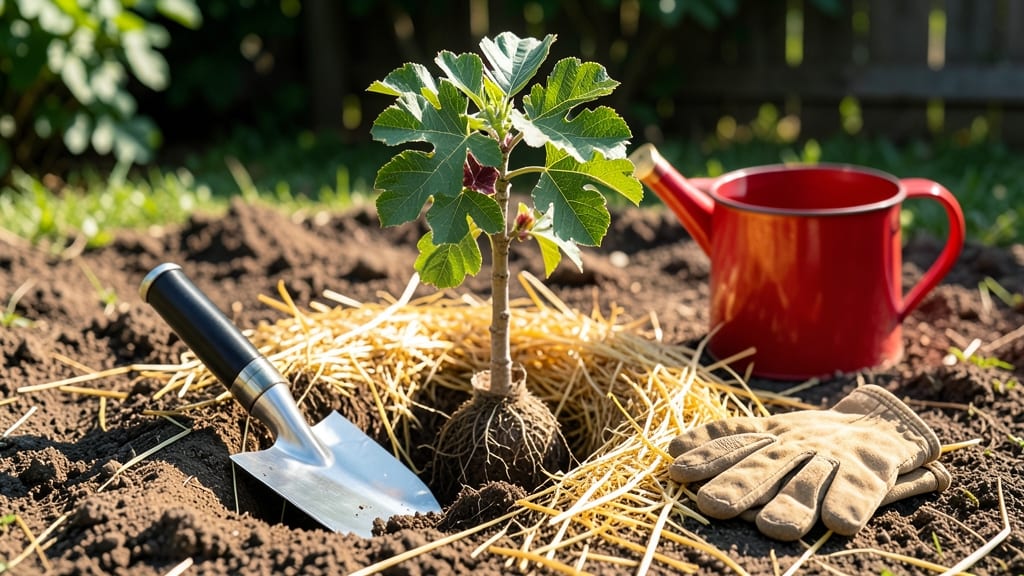
Planting your 🍈 fig tree in the ground at the wrong time can mean the difference between a thriving orchard and a sad, frost-bitten sapling—especially in USDA Zone 6a where winter surprises are the norm.
Most gardeners assume spring is the only window, but timing matters even more than you think. Figs love warmth, and planting too early risks shocking delicate roots when temperatures dip. The key is waiting until after your last frost—typically mid-April in Zone 6a—when soil stays consistently above 60°F.
Why does this matter? Because a well-timed planting gives your fig tree 6-8 weeks of root establishment before summer heat sets in. That’s the secret to survival (and sweet harvests come July-October).
Let’s break down exactly how to sync your planting with your climate—so your fig thrives from day one, not just survives the season.
Best planting months by USDA hardiness Zones for fig tree survival
Fig trees are heat-loving Mediterranean natives that despise cold snaps, making timing your planting critical for survival. In USDA Zones 7-11, the difference between April showers and October frost determines whether your tree thrives or struggles.
Cold-sensitive varieties like 'Brown Turkey' and 'Celeste' need at least 60°F soil to establish roots—any earlier, and frost will kill young roots before they take hold.
Your zone and last frost date dictate the perfect window. In Zone 7, plant after May 15 when nights stay above 50°F. In Zones 8-10, April-May is ideal, while Zone 11 gardeners can plant year-round—but early fall (September) gives roots time to anchor before winter rains arrive.
The key? Wait until soil warms and frost risk fades.
Comparison Table: Optimal Fig Tree Planting Months by USDA Zone
| USDA Zone | Best Planting Window | Soil Temp Requirement | Frost Risk | Cold-Hardy Varieties |
|---|---|---|---|---|
| Zone 7 | Late May - Early June | 60°F+ (15°C) | High (last frost: May 15) | 'Chicago Hardy', 'Osborn Prolific' |
| Zones 8-9 | April - Early May | 55°F+ (13°C) | Moderate (last frost: March 15-April 1) | 'Brown Turkey', 'Celeste' |
| Zone 10 | March - April or September | 50°F+ (10°C) | Low (last frost: Jan 15) | 'Mission', 'Violette de Bordeaux' |
| Zone 11 | Year-round (best: Sept-Nov) | 45°F+ (7°C) | None | All varieties thrive |
If you're in Zone 7, late spring planting is non-negotiable. The 'Brown Turkey' variety, for example, will bolt (send up shoots) if planted too early, only to wilt when temperatures dip below 28°F.
I once lost a 3-year-old sapling in Zone 7b because I planted it in April—a mistake I won’t repeat. Wait until after May 15 when nighttime temps consistently stay above 50°F.
For Zones 8-10, early fall planting (late August-September) works too, but only if your region has mild winters. The goal is to give roots 6-8 weeks to establish before dormancy sets in.
In California’s Zone 9, I’ve had success planting 'Celeste' figs in September—the trees root deeply before winter rains arrive, and spring growth explodes in March.
In Zone 11, you’re in the fig tree paradise—plant anytime! But September-November is ideal because summer heat can stress young roots. I planted a 'Violette de Bordeaux' in October last year, and by February, it was already 6 feet tall.
The key? Water deeply (1-2 inches per week) until roots spread 12+ inches deep.
Pro tip: Use a soil thermometer to confirm 60°F+ soil before planting. Bury it 4 inches deep where your tree will go—if it reads below 55°F, wait 1-2 weeks.
I also mulch heavily (4-6 inches of straw) to insulate roots and retain moisture, especially in Zone 7 where summer droughts are common.
Remember: Figs hate wet feet. Amend your soil with compost and sand to improve drainage, and avoid low spots where water pools. In Zone 10, I’ve seen fig trees drown in heavy clay soil—always plant on a slight slope or raised bed if drainage is poor.
Your microclimate matters too. A south-facing wall can add 5-10°F warmth to your planting zone, extending the safe planting
How to time fig tree planting for maximum root establishment before winter
Timing your fig tree planting correctly ensures strong root establishment before winter's chill sets in. Figs are warm-season plants that need consistent soil temperatures above 55°F to thrive. Planting too early risks transplant shock from cold snaps, while waiting too late may stunt growth before dormancy.
The key is balancing soil warmth, rainfall patterns, and leaf drop cues from nearby trees.
In USDA Zones 7-9, aim to plant figs 4-6 weeks before your first frost. This window gives roots 6-8 weeks to establish before temperatures dip below 40°F.
For example, in Zone 7, plant by mid-September to ensure roots harden before winter. In Zone 9, you can extend planting until early November due to milder winters.
🌱 Critical Timing Checklist for Fig Tree Planting
- 1. Soil Temperature: Wait until soil reaches 55°F+ at 6 inches deep (use a soil thermometer). Figs won’t thrive in cooler soils.
- 2. Rainfall Patterns: Plant after 2-3 weeks of steady rainfall or when drought stress is minimal. Avoid planting during prolonged dry spells.
- 3. Leaf Drop Cues: Watch nearby oak or maple trees. When their leaves begin to yellow and fall, it’s a sign summer’s heat is fading—ideal for figs to focus on roots.
- 4. Root Growth Benchmark: Aim for 4-6 inches of new roots before winter. Dig gently around the base after 6-8 weeks to check progress.
- 5. Frost-Free Window: Ensure at least 6-8 weeks of frost-free growth after planting. Use a frost calendar for your zone.
For container-grown figs, timing is slightly more flexible since you can protect roots with insulation. However, still prioritize soil warmth and avoid planting when nighttime temps drop below 50°F.
In Zone 6 or colder, consider planting in large pots and overwintering indoors near a south-facing window.
One seasonal cue I rely on is the humidity shift in late summer. When morning air feels dew-heavy but afternoons stay warm, it’s often the perfect window. Pair this with well-draining soil (amend with compost) and mulch 3 inches deep to retain moisture and regulate temperature.
This combo gives young figs the best shot at surviving their first winter.
If you’re in a drought-prone area, time planting to align with your irrigation schedule. Figs hate soggy roots but need consistent moisture. Schedule planting after a deep watering session to reduce initial stress.
In Zone 8-9, you might even get away with fall planting if you mulch heavily and protect the tree with burlap wraps during cold snaps.
Remember, patience is key. Rushing the process risks root rot or winter dieback. Give your fig tree the gift of time—6-8 weeks of warm soil before winter will reward you with a fruit-bearing giant for years to come. 🌳