
Trees
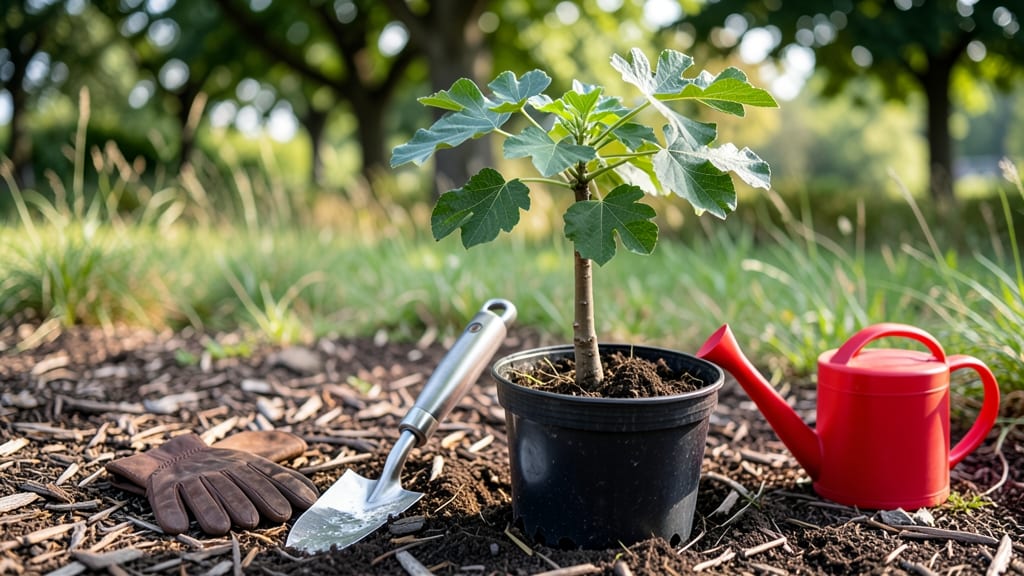
Planting a fig tree 🍈 in Georgia isn’t just about digging a hole—it’s about timing the transplant to match your local chill hours and frost patterns. Get it wrong, and you could end up with a struggling tree or no harvest at all.
The sweet spot? Late winter to early spring (February-March) or fall (September-October), when soil temperatures hit 60°F and the risk of late frosts has passed.
Why does timing matter so much? Georgia’s 7b-8b zones mean your fig tree needs to establish roots before summer’s heat or winter’s chill sets in.
Whether you’re planting in the Piedmont’s cooler microclimate or near the coast’s milder winters, the goal is the same: give your tree a strong start before the 210 frost-free days begin.
I’ve learned the hard way that planting too early can leave young trees vulnerable to frost damage, while waiting too long risks stunted growth.
The key is balancing soil warmth, rainfall patterns, and your tree’s chill-hour needs—especially if you’re growing varieties like ‘Celeste’ or ‘Brown Turkey’ that thrive in Georgia’s climate.
Ready to avoid common mistakes? I’ll walk you through soil prep, container vs. in-ground planting, and how to protect your fig tree through Georgia’s unpredictable seasons. Let’s get those roots growing the right way.
Georgia’s chill-hour zones: matching fig varieties to planting timing
Georgia’s USDA zones 7b-9a create a perfect climate for fig trees, but not all varieties thrive equally. The key factor is chill-hours—the number of hours below 45°F (7°C) your tree experiences annually.
Georgia’s zones range from 100 to 1,000+ chill-hours, and choosing the right fig variety ensures robust growth and fruit production.
In warmer southern Georgia (zones 8a-9a), varieties like Brown Turkey and Celeste excel with minimal chill requirements (200-400 hours). Meanwhile, cooler northern Georgia (zones 7a-7b) can support Desert King or Osborn Prolific, which tolerate 500-800 chill-hours without dormancy issues.
Mismatching chill-hours leads to poor fruit set or leaf drop. For example, planting a high-chill variety in zone 9a may result in sparse harvests, while a low-chill fig in zone 7b might struggle to break dormancy. Always verify your local chill-hour count before selecting a variety.
🌱
| Fig Variety | Chill-Hours Needed | Best Georgia Zones | Optimal Planting Window | Key Notes |
|---|---|---|---|---|
| Brown Turkey | 200-400 | 8a-9a (Southern GA) | Late Feb - Early March | Drought-tolerant, reliable producer |
| Celeste | 150-300 | 8b-9a (Coastal GA) | March - April | Sweet, pink-skinned figs |
| Desert King | td>500-7007b-8a (Northern GA) | September - October | Cold-hardy, great for containers | |
| Osborn Prolific | 600-800 | 7a-7b (Mountain GA) | Late Sept - Early Oct | Heavy producer, needs winter protection |
| Violette de Bordeaux | 300-500 | 7b-8b (Piedmont GA) | March - April | Unique purple figs, cold-sensitive |
For container growing, prioritize low-chill varieties like Celeste or Brown Turkey—they adapt better to urban heat islands. In-ground plantings in northern Georgia benefit from fall planting (September-October), allowing roots to establish before winter.
Always check your local chill-hour data from sources like the Georgia Climate Project. A 500-chill-hour variety in zone 9a may produce 50% fewer figs than in its ideal zone. Test your soil’s chill exposure by monitoring overnight temps with a minimum-maximum thermometer.
If you’re in transition zones (7b-8a), consider intermediate varieties like Alma or Green Island, which bridge the chill-hour gap. These adapt to 300-600 chill-hours and thrive in central Georgia’s microclimates.
Pro tip: Mulch heavily in winter for high-chill varieties to protect roots from freeze-thaw cycles. Use straw or wood chips (4-6 inches deep) to insulate soil and retain moisture during Georgia’s variable winters.
🪴
Remember, planting timing isn’t just about chill-hours—it’s also about soil temperature. Wait until soil reaches 60°F (15°C) before transplanting, even if chill requirements are met. Cold soil stunts root growth, making trees vulnerable to disease and pests in Georgia’s humid climate.
Best planting months in Georgia: balancing soil temperature and rainfall
Georgia’s two ideal windows for planting fig trees—late winter/early spring and fall—align perfectly with soil temperature and rainfall patterns. Spring planting (February-March) lets you take advantage of warming soil and increasing daylight, while fall (September-October) gives roots time to establish before winter dormancy.
Both approaches work, but your choice depends on your local microclimate and fig variety.
For bare-root fig trees, aim to plant when soil temperatures consistently reach 60°F (15°C), typically by mid-March in most of Georgia.
Container-grown figs can handle slightly cooler soil, so you might start as early as late February in USDA Zone 8a or warmer. Fall planting should wrap up by mid-October to allow roots to establish before first frost risks arrive in November.
Georgia’s rainfall also plays a crucial role. Spring showers help young fig trees establish, but excess moisture can cause root rot. Fall’s drier conditions reduce fungal risks while still providing enough water for root growth. In coastal Georgia (like Savannah), humidity is higher year-round, so well-draining soil becomes even more critical.
🌱 Georgia Fig Planting Timeline
- 📅 Late February-March: Plant container-grown figs when soil warms to 55-60°F (ideal for Zone 7b+).
- 🌡️ Mid-March: Transplant bare-root figs once soil hits 60°F+ (critical for root regrowth).
- ☔ April-May: Monitor rainfall—mulch heavily to retain moisture without suffocating roots.
- 🍃 September-October: Best fall window—plant when temps drop to 70-75°F for root establishment.
- 🌡️ November: Avoid planting after mid-month—frost risks increase, slowing root growth.
Preparing your planting site is just as important as timing. Fig trees thrive in well-draining soil with a slightly acidic to neutral pH (6.0-7.0). Amend heavy clay soil with compost or sand to improve drainage, and choose a sunny spot with 6+ hours of direct light daily.
If planting in containers, use a fast-draining mix with perlite or orchid bark.
After planting, deep watering is key—fig trees need 15-20 gallons per watering in their first year. Water at the base of the tree in the morning to reduce fungal risks from Georgia’s humidity.
For spring plantings, mulch with 3-4 inches of wood chips to retain moisture, while fall plantings benefit from light mulching to protect roots from winter temp swings.
Remember, Georgia’s microclimates vary dramatically. Coastal areas (like Brunswick) stay warmer longer, while the Piedmont region (Athens, Macon) may experience earlier frosts. Adjust your planting window 1-2 weeks earlier in higher elevations or later in coastal zones.
With the right timing and care, your fig tree will reward you with sweet, homegrown fruit in just 1-2 seasons! 🍈